Whitehot Magazine
August 2026
"The Best Art In The World"
"The Best Art In The World"
August 2026
Two Photographers: Meryl Meisler talks to Sally Davies
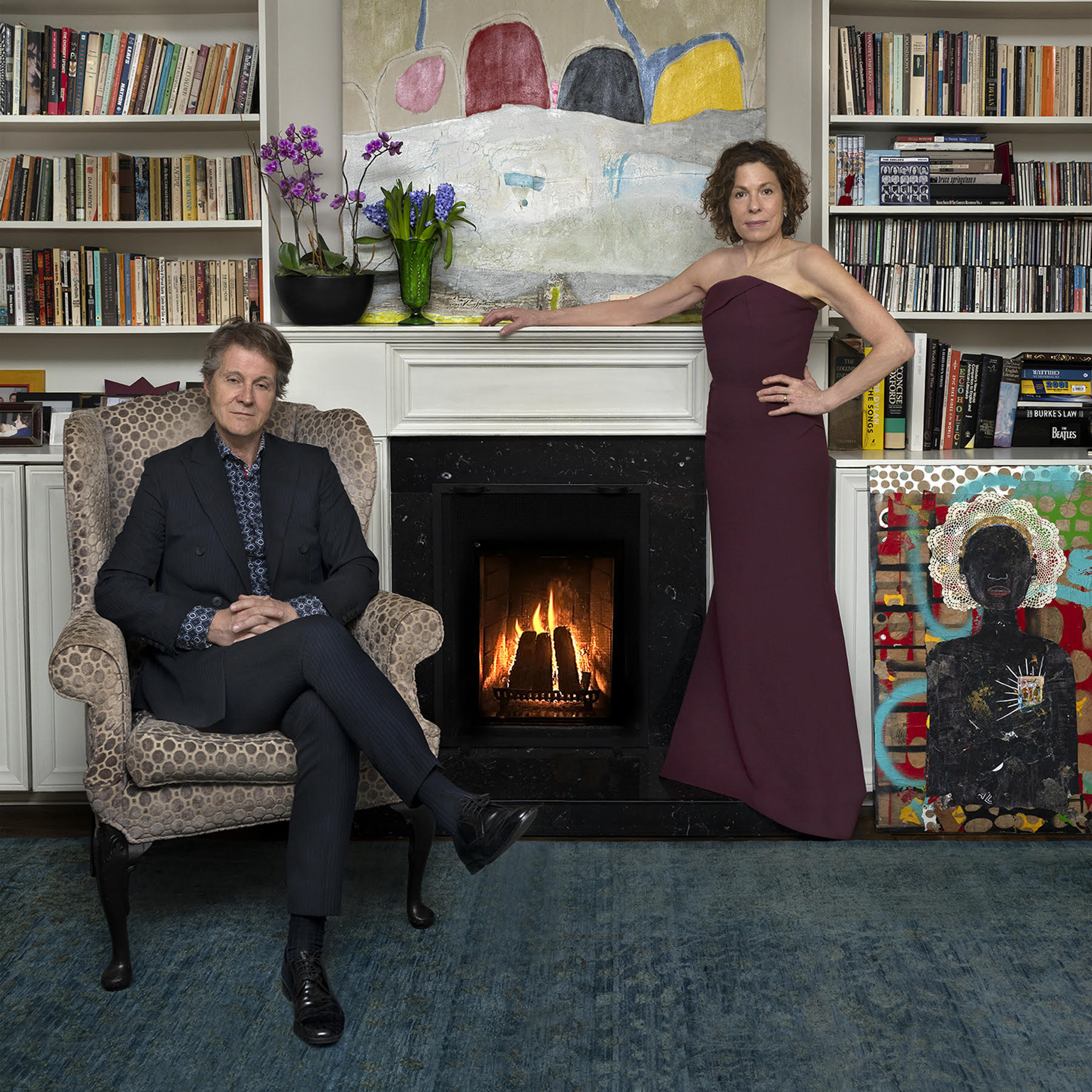 Color photograph by Sally Davies: Jim Cuddy & Rena Polley 2025 Toronto
Meryl Meisler with Sally Davies, April 19th, 2026
Meryl moved from Long Island to New York City in1975. After years teaching art in NYC public schools, Meryl began sharing her vast archive of images—work full of a sense of place, humanity, human and a distinctly queer eye with a Jewish sense of humor. She is represented by CLAMP in NYC and Polka Galerie in Paris and continues to document the world with the same sharp curiosity. Meryl is the author of Street Walker, New York: Paradise Lost, Sassy 70’s and A Tale of Two Cities: Disco Era Bushwick.
Davies has spent decades photographing American life in New York and California, with a deeply personal, unvarnished eye, moving seamlessly between street and portraiture. Best known for her unsentimental yet heartwarming portrayal of bicoastal life, I would be remiss to not mention her long-running documentation of a non decaying McDonald’s Happy Meal. (1.5 million views online, going viral twice) Davies brings the same curiosity and refusal of artifice to her portraits. Lush vivid and honest, her photographs feel immediate and enduring.
Meryl:
For many years, you were best known for your New York City landscapes and street scenes. Then came your portrait books; New Yorkers (2021) and California Dreamers (2023). Those collections of portraits shifted how audiences understand your work. Each portrait from New Yorkers is now in the permanent collection of the Museum of the City of New York, and California Dreamers has been acquired by the Getty Research Library. Looking at your broader archive though, it’s clear this wasn’t an abrupt departure. You’ve been making portraits all along.
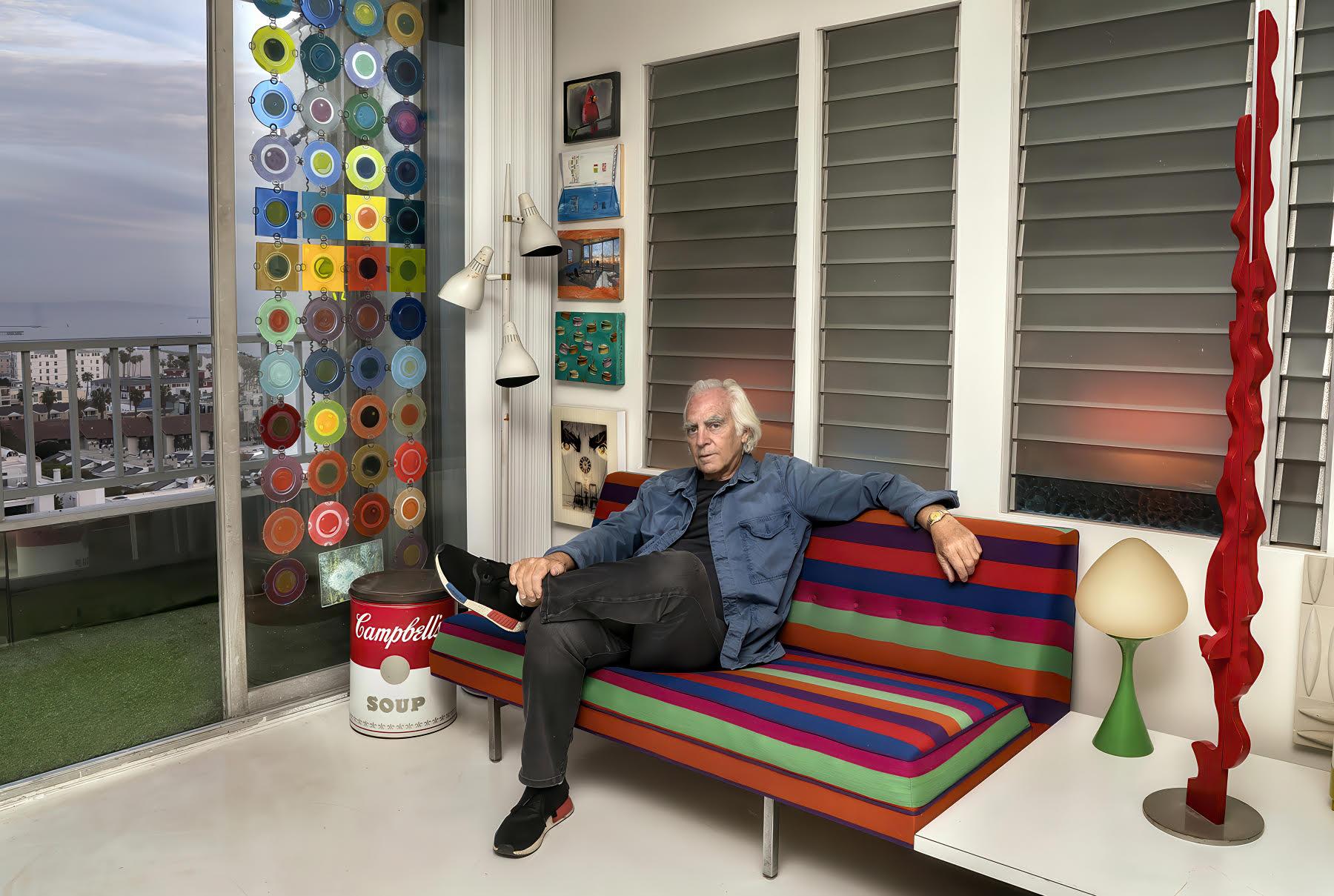 Jim Budman 2021 Santa Monica
Meryl:
People often point to photographers like Richard Avedon or Diane Arbus when talking about portraiture, but your work feels rooted elsewhere.
Sally:
I’m very aware of work by people like Avedon and Arbus, but I’ve never really felt aligned with them. I think I’m influenced more by what I’ve seen over time than by specific photographers. Forty years of absorbing New York, that’s probably the influence. You don’t tell New York what to do, it tells you what it will do. And somehow that’s what I bring to a portrait session.
Meryl:
You’re also an accomplished painter. In what ways has your painting influenced your photography?
Sally:
I graduated college as a painter with a ton of color theory under my belt. It came to me very naturally and its remained a language for me with my photography also. I do shoot in black and white from time to time, but usually I’m left with a nagging hunch that it would look better in color.
Meryl:
Your portraits are made in people’s homes. What does that environment give you that a studio never could?
Sally:
I’ve never been interested in photographing people in a studio. Not to say certain people haven’t taken great portraits in studios, but I have always responded to images of people in their own spaces with their own stuff. One of my favorite photos of all time is Arbus’s Sword Swallower. That photo showed me in one second, what a photo could say about someone. Not great lighting, kind of a fly by shot of her in her life environment, but so powerful to me.
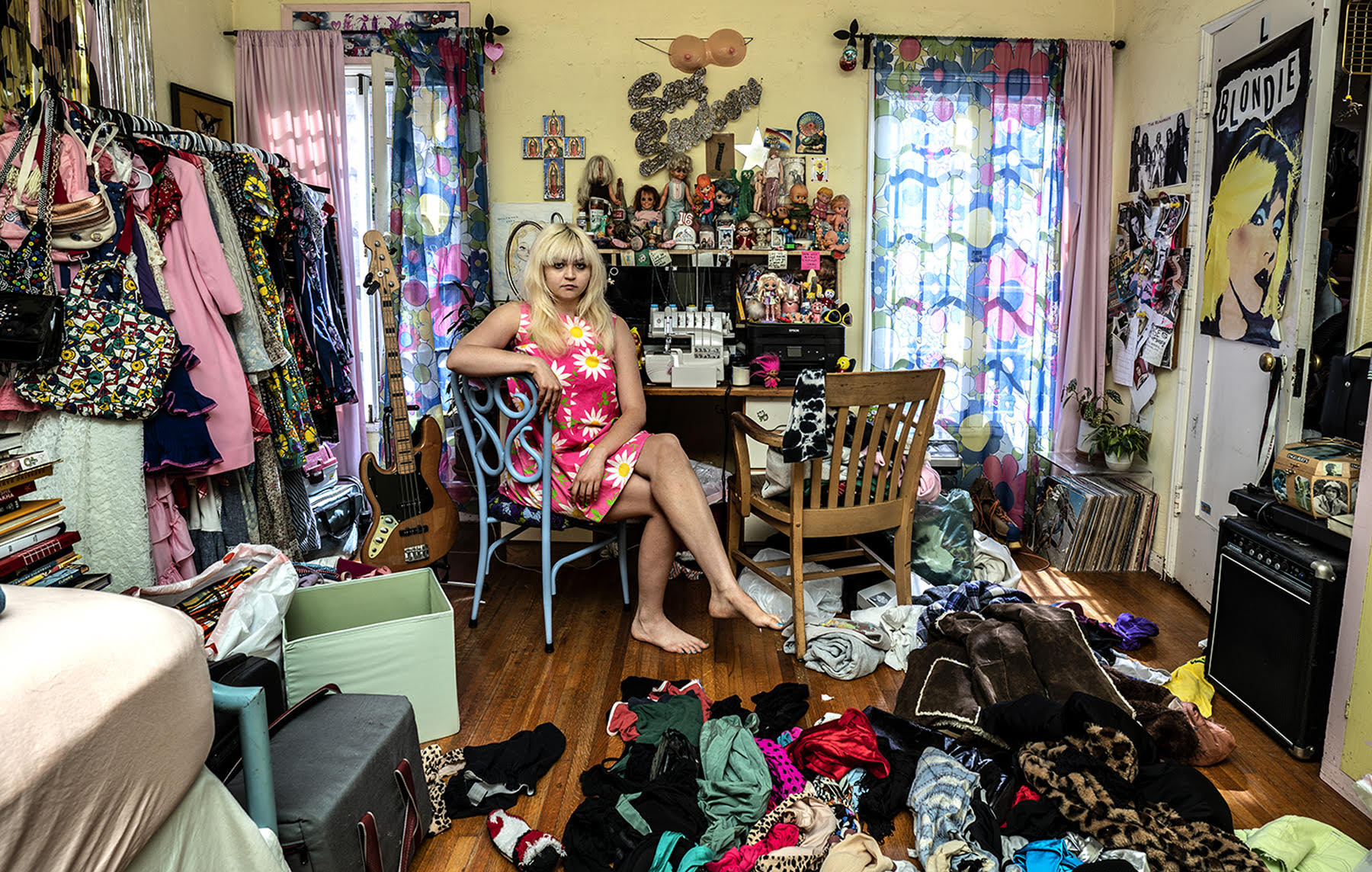 .Lily Noyes, 2022 LA
Meryl:
When you walk into someone’s space for the first time, what are you responding to?
Sally:
There is a moment when I enter someone’s space that my thinking mind shuts off completely and I download the visuals. Something happens unconsciously right then. It’s a quick process but thorough. I can’t really explain it, but everything I need to know about that person and everything I know about color and composition meets on a pin head and I know what to do.
Meryl:
At what point do you recognize: this person, this room—this is the picture?
Sally:
When I was working on the portraits for both my books, I said yes to anyone who asked to be photographed, sight unseen, ergo this person, this room, HAD to be the picture. I wasn’t choosing. And thats a different situation than hunting for interesting people that might fit my visual agenda. My task was to present this person as honestly as I could in their environment.
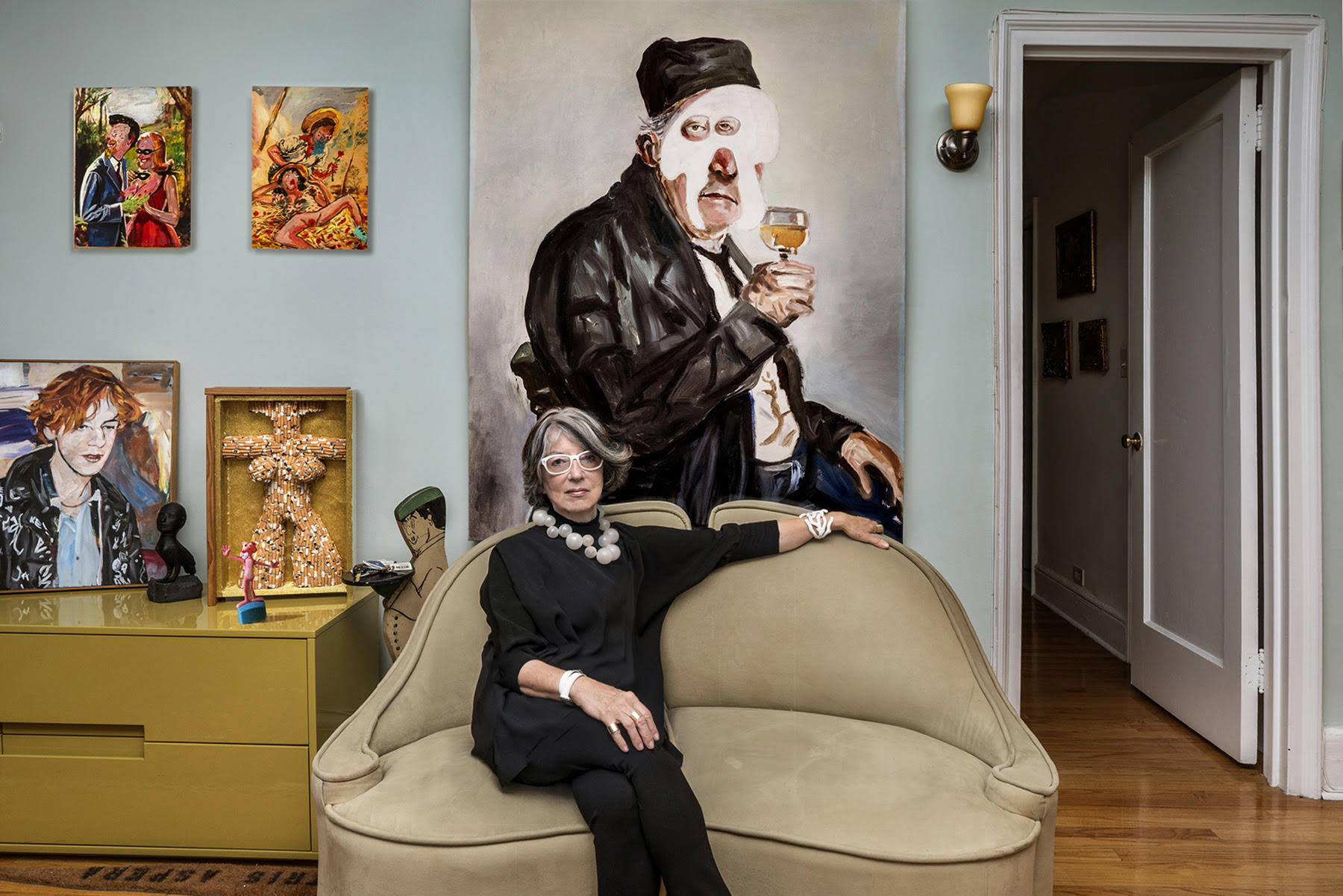 Gracie Mansion 2019 New York (In front of painting by Jacques Flechemuller)
Meryl:
In your photographs, the room often carries as much weight as the sitter. Is the portrait the person, or the life surrounding them?
Sally:
Those two things cannot be separated. But its a good question. What if I photographed the room without the person in it. Would we still know who that person is? It would tell us a lot about them, but it would fall short. So I want it all there. I think our homes say everything about who we are, even the ones who hide their stuff, and live minimally. That choice is as revealing to me as the hoarder who has too much.
Meryl:
Is the space inseparable from who they are? Could the same person be photographed anywhere?
Sally:
For me no, not right now. To change the space is to change the story. Maybe someday I will grow tired of finding people’s stories in their homes, but until that day I will stay the course. I never grow tired of how we set up our homes, what we need to be comfortable, what we collect, what we have lost, what we are proud of, what we feel explains our accomplishments. Even in a hard core upscale minimalist home, there will always be something somewhere that reveals one of the aforementioned things. Whether its a Jenny Saville painting or a brand new Raymour & Flanigan sofa, stuff doesn’t lie.
Meryl:
How do you recognize when someone, in front of your camera, is “telling the truth”?
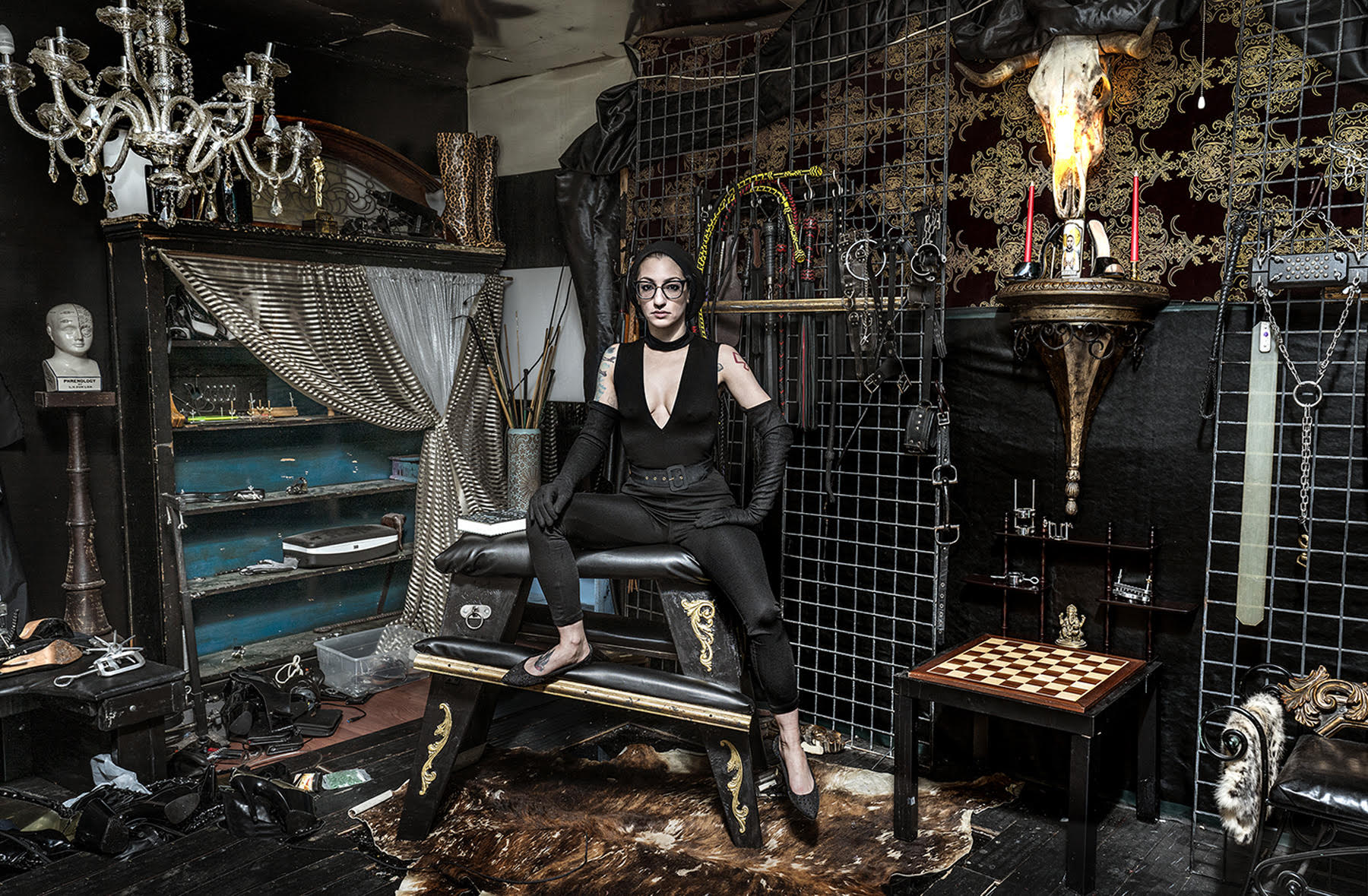 Cybill 2022 LA
Sally:
I am not in control of what they do or how they try to appear when posing for the photo. Humans are complicated, all of us. No matter where we are on the social strata we are concerned with how we are perceived. Somehow a truth always shines through.
Meryl:
Do you guide your subjects, or are you waiting for something unrehearsed to emerge?
Sally:
Nothing is ever rehearsed with me. It’s just the way I work, so everything that emerges is unrehearsed. I try to be quick when I’m working with someone. When I arrive the first thing I do is ask if they have any preferences of where they want to be photographed. Unless it’s a horrible choice I try to work with them. I shoot with a bounced flash and no additional lighting. It allows me to get in and quickly shoot and get out. Too much set up and the energy changes. As they wait, their trust erodes…they start to feel the event is out of their control and get nervous, and then I lose the truthful shot. I don’t overshoot, often leaving with maybe 10-12 images, thats it. Again, too much shooting, people start to think too much and start to doubt their decisions, then overshooting starts and the moment has been lost forever.
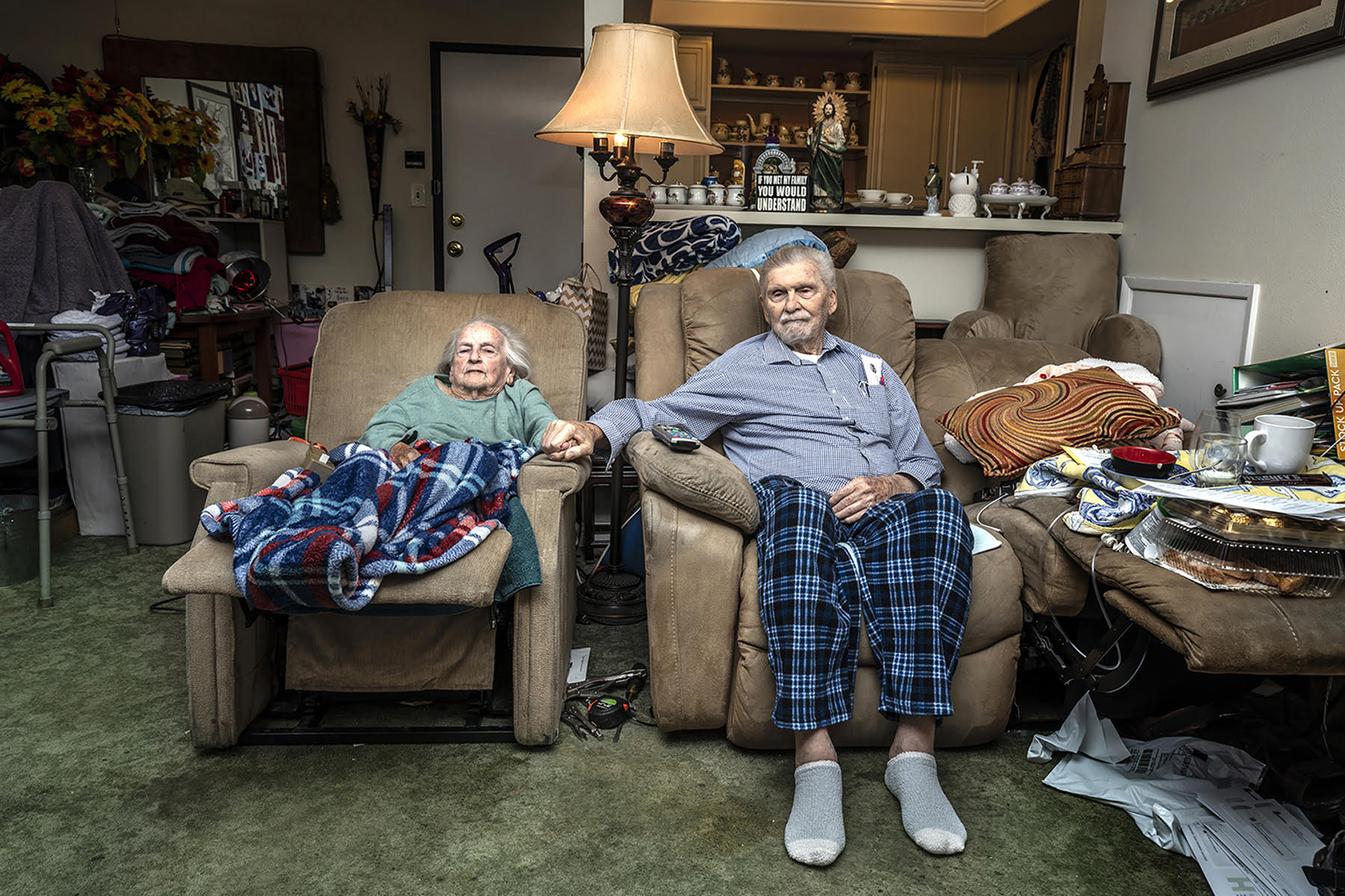 Helen & Gene Gleason 2022 LA
Meryl:
Your portraits resist traditional expectations—what are you responding to in the moment when you shoot?
How do you know when you’ve got it?
Sally:
There is no rule stating how many photos I need to leave with, but my intuition will kick in and tell me its over, whatever is there to get, has been photographed. I have left photo shoots with as little as 2-3 shots, and those were sometimes the best images in the books.
Meryl:
You photograph people across a wide spectrum of lives and identities. Does your approach shift depending on who you’re photographing?
Sally:
I think that might be a Leibowitz thing. Her portraiture, especially the old stuff, is 80% her and 20% her subject, and I always loved that about her work. She reinvented modern portraiture. Those portraits and the way she lit, were her paintings. We weren’t used to that giant vision and personality screaming off the page like that. But it put her at the top of her game. Her work was irresistible, and just SO of its time.
But no, I don’t change my approach. Once you start changing your approach the playing field is unequal, and the work starts to be more about me than them. I’m operating with a different goal. I try to get out of the way when I’m photographing people. I know that is impossible and that we all have a footprint, but I want to give the viewer what the subject wants to give them, so more of a collaboration. I want to be the messenger more than the message.
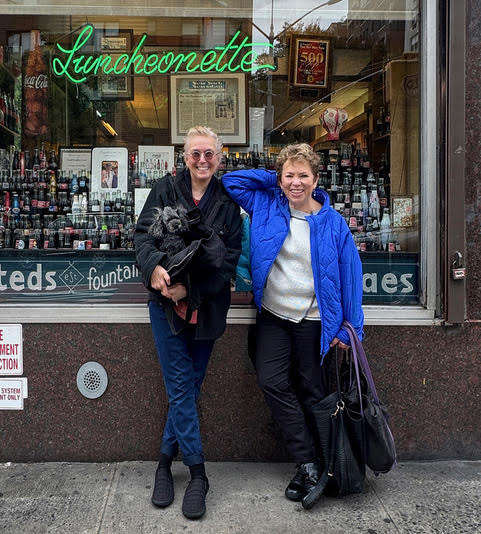 Sally and Meryl
Meryl:
Is there any real difference, for you, between photographing someone well-known and someone completely unknown?
Sally:
Not really, no. My challenge is the same with rich famous people and regular folks; to get out of the way and not try to tell their story for them.
Meryl:
In what ways do you think being Canadian shaped the way you see and photograph Americans?
Sally:
Great question. I have thought about this for the last 43 years. When I was young I questioned how authentic my take on America could be, because I was from another country. But as I moved through life as a Canadian voyeur in New York, I started to realize I had a view that Americans did not have of themselves. Two of my all time photo heroes came to North America from other countries; Robert Frank who moved from Switzerland when he was 23, and Fred Herzog who moved from Germany when he was 21. They did not grow up in North America, and their take on western culture was quite profound. They arrived with a very different perspective than people who were from here and knew nothing else.

WM
Whitehot writes about the best art in the world - founded by artist Noah Becker in 2005.
view all articles from this author