Whitehot Magazine
October 2026
"The Best Art In The World"
"The Best Art In The World"
October 2026
Jane Swavely: Less is More - at Magenta Plains
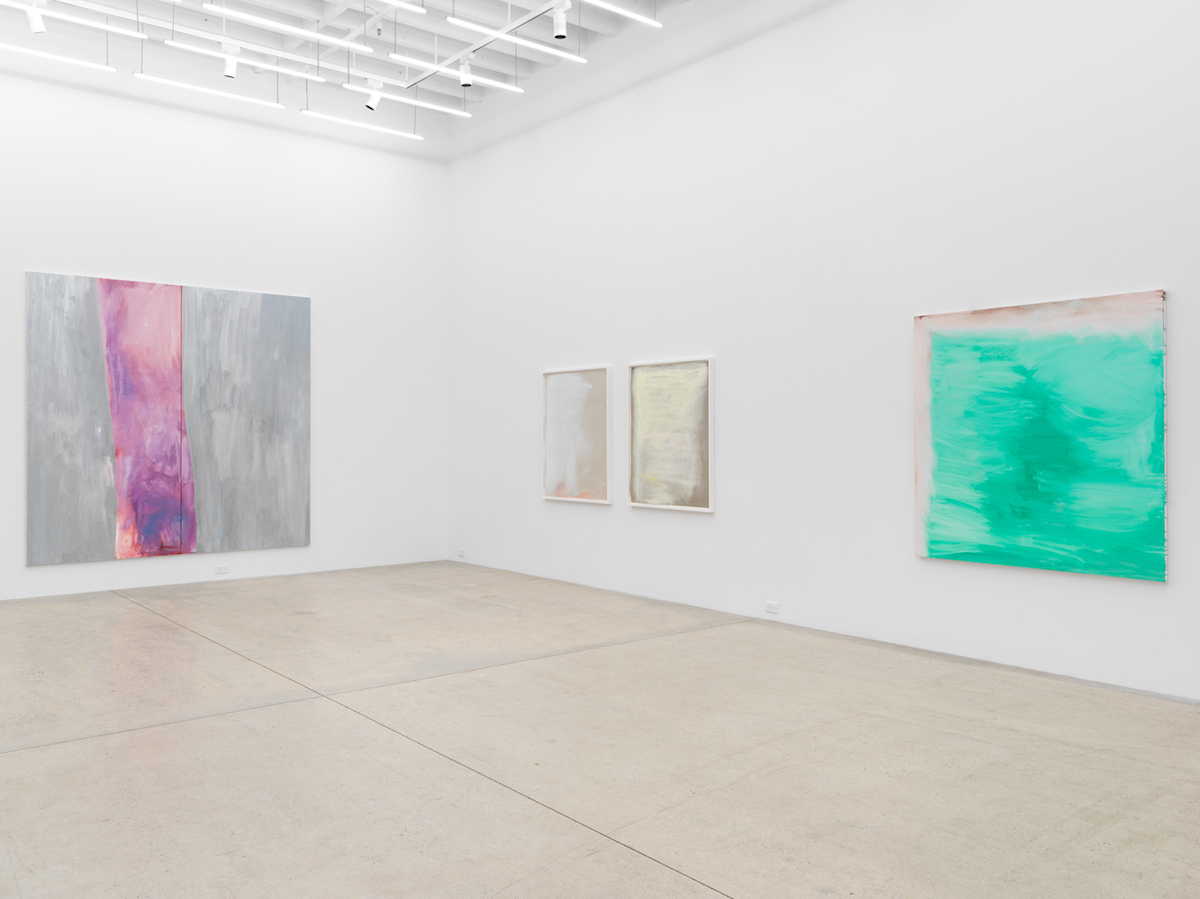 Installation view, “Jane Swavely: Strawberry Fields”, Magenta Plaints, New York.
By EDWARD WAISNIS May 31st, 2026
Jane Swavely continues her practice rooted in moody expressionist abstraction that channels the strategies immortalized by Barnett Newman, Clifford Still and Mark Rothko. Stints of working in the studios of Lois Lane and Brice Marden provided the experience and instruction–down to material choices–on which she has built her modus operandi. In my research, I have relied on comments made by Swavely in a talk she gave at the New York Studio School last year * throughout this piece.
Swavely’s trajectory, with the time spent in the ateliers of established working painters, led her to the Bowery. Where she has established a living and working space lasting over forty years. Ensconced in this environment has provided a steadfast downtown Manhattan rootedness and loyalty, with access to a like-minded community and to leading art supply purveyors, in which Swavely has flourished.
Her work has always been situated in landscape. In earlier days literally, while intentionally evocative in the present. All the while, Barnett Newman’s ‘zip’ has hovered, morphing from the trunks of trees into abstracted framing and/or figure devices of composition.
Throughout her development an atmosphere of romanticism corresponding to J.W. Turner and James McNeill Whistler is Swavely’s strength of contribution; once relegated to a supporting role, now given full prominence. This whittling down, carried out over a decades long career, has served to distill and enrich Swavely’s vision.
The terrain of an upstate refuge, that Swavely came to view with a gimlet eye, contrasted and cross-pollinated with the grist of the urban arena that is her sustenance, provided the catalyst to telescope in on the heart of her interests and intentions.
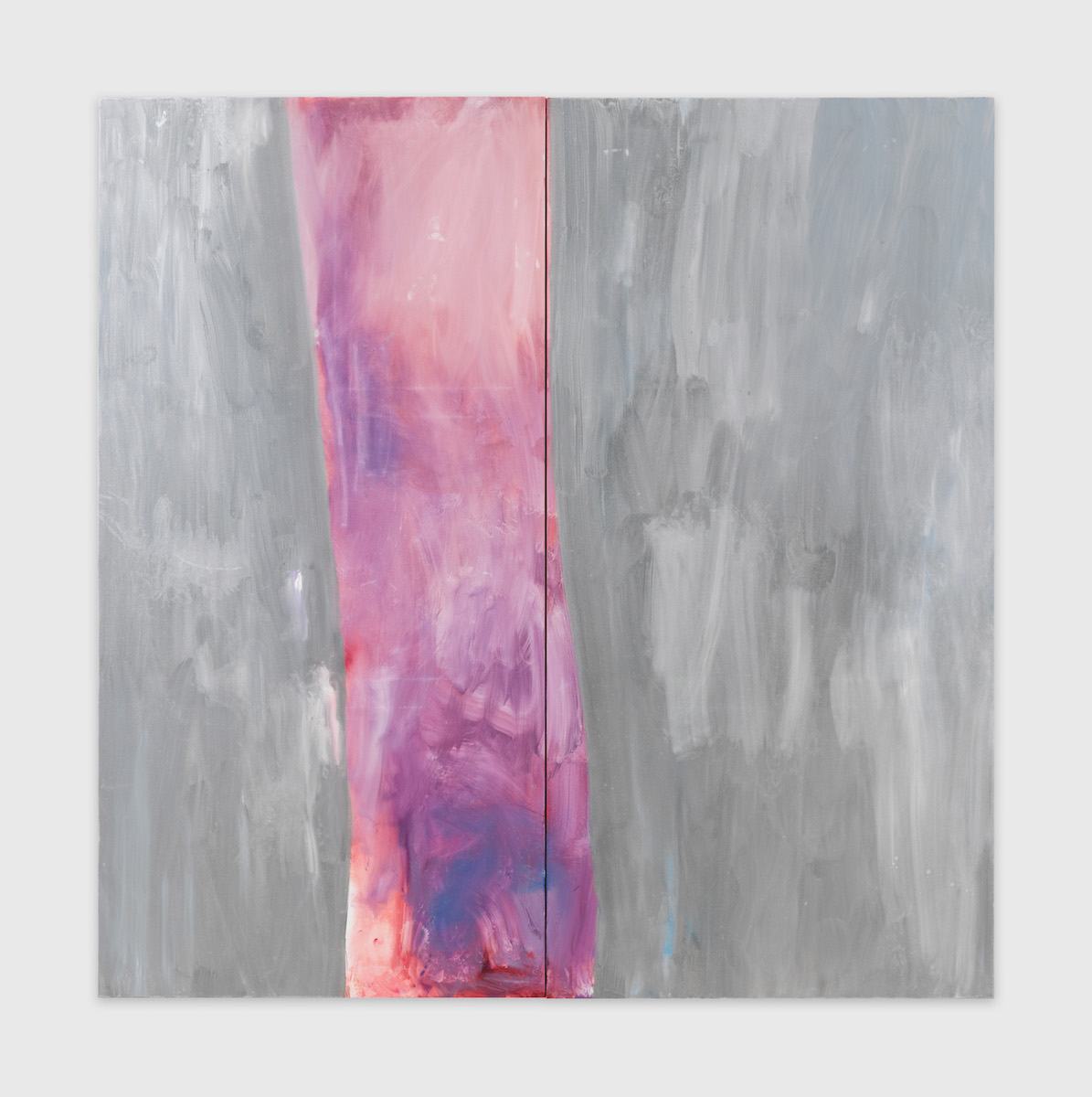 Jane Swavely, “Strawberry Fields”, 2026, oil on canvas, 90 x 90 inches (overall); 90 x 45 inches (each).
Whether personal selection, or as a bulwark against the pervading sense of dread all about these days, Swavely has taken the tack of lightening up her focal plane evidenced in the work presented in this exhibition, contrasted with the one here two years ago.
If the title of the largest work in the show, Strawberry Fields (all works 2026)–co-opted to serve as the exhibition framing banner–is an embrace of the singularly pacifist ethos of the author of the titular Beatles song, John Lennon, it is drawn from, one might argue the evidence of absorption of a soft-gloved polemic integration.
Swavely’s commitment to the historic monolith of formal abstraction, coined by Barnett Newman, Mark Rothko and Clifford Still shrouds all that she presents. Given this penchant an air of enlightenment fills the canvases (and paper) of this concisely intimate body of new work.
At a period when we are on the brink of breaking with lineage, and ignoring our better natures–not to mention abandonment of the legacy of nurturing reason, fact, and science–these qualities reward seeking out and cherishing.
Swavely’s feathery ‘one-shot’ paint handling, alive with controlled intensity, heeds to the methods of her forebears. Color, of a pleasingly quirky bent, has been augmented by incorporation of the unique range available in the Vasari line of oils to her color box. †
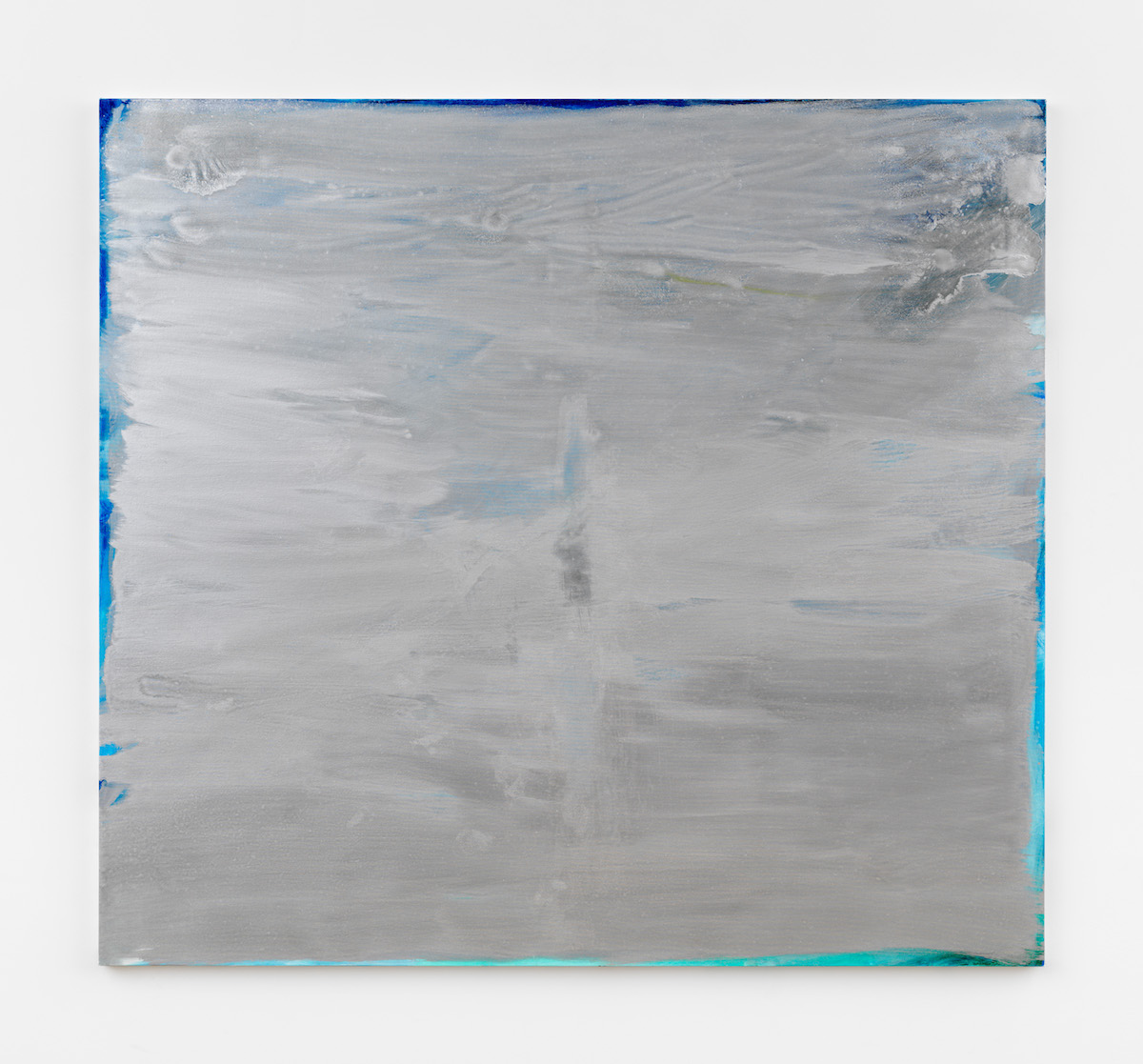 Jane Swavely, “Silver Screen”, oil on canvas, 66 x 72 inches.
While Swavely’s use of silver, that has become something of a signature element, and might be ascribed to Warhol’s factory, I see it as a riff on the utopianism of the Nocturnes of James McNeill Whistler.
It predominates the field of Silver Screen, a silty wash of which overwhelms a blue-to-green underpainting that peeks out around the edges. Whether evoking Marden’s tendencies, adherence to Greenbergian denial of dimensional space (acknowledgement of the objecthood of painting), a nod to Swavely’s allegiance to the short-lived New Image movement that contributed to shaping her practice, or, more likely, all of the above, becomes a footnote of curious inquiry. The title, an ode to a long-held passion for cinema, speaks to Swavely’s point of view when it comes to illumination and (theatrical/cinematic) presentation.
Strawberry Fields, on the other hand, relegates the shimmery tone to a bracketing role to a voluminously sumptuous purply-peachy columnar form. Situated center stage, seeming to well up like an incantation of an immense tree, or the stack of a tornado, replete with the hovering essence of Newman’s Onement I, of 1948, on a grand scale.
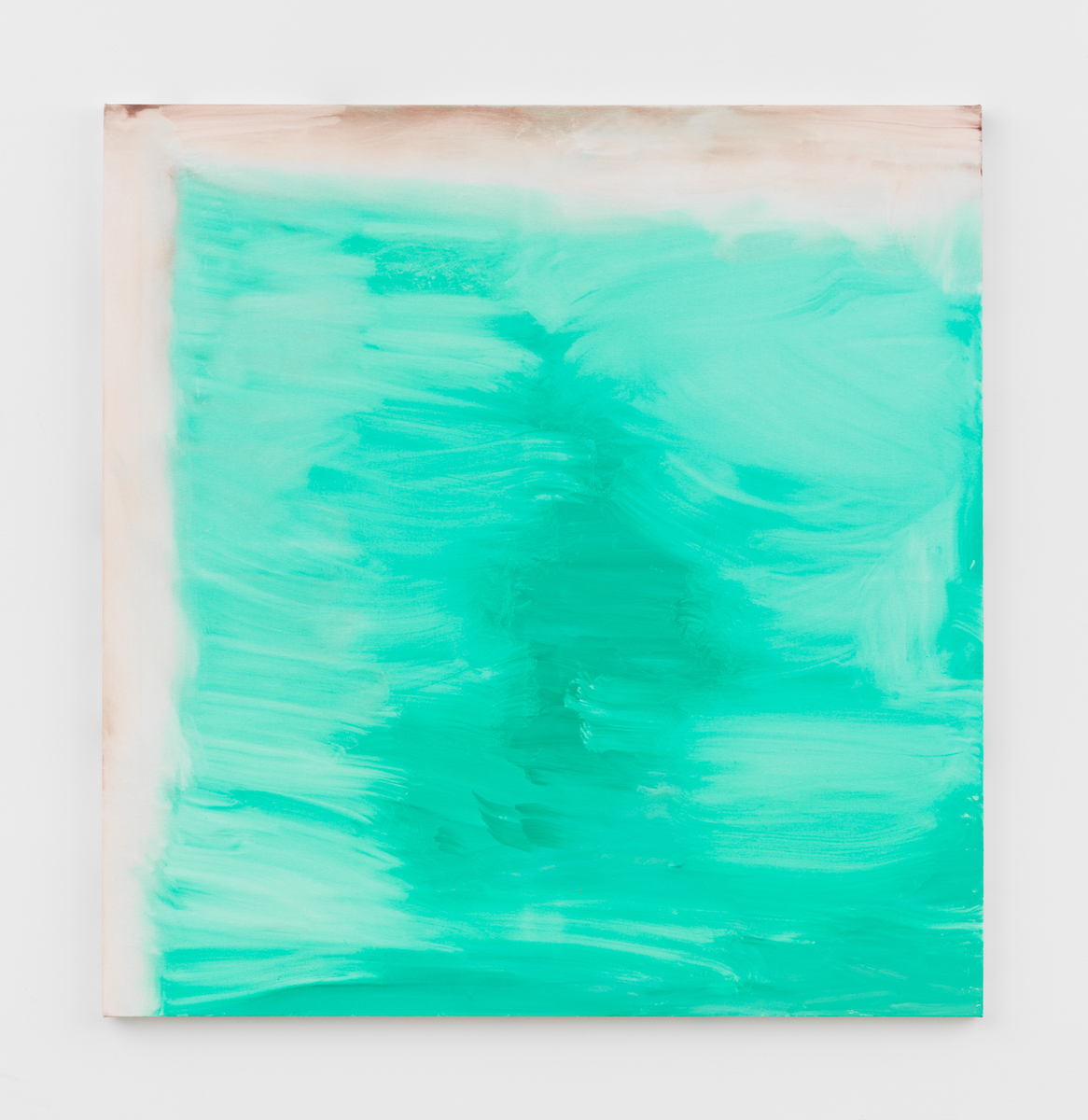 Jane Swavely, Not Yet Titled, 2026, oil on canvas, 56 x 54 inches.
True to the modernist creed, Swavely foregoes titles for the remainder of the works, opting for the classic Untitled (or, Not Yet Titled). A visional patch of jade, a garden path to a grotto-like inner core, or simply a painterly passage executed with vigor–as Swavely would have it given her eschewing of allusion since embracing pure abstraction–overwhelms Not Yet Titled, with evocations of a billowing sheet hanging in full Spring light affixed against sootily smokey white bands at the top and left sides; clashing chromatics invoking Mediterranean sea countering stucco.
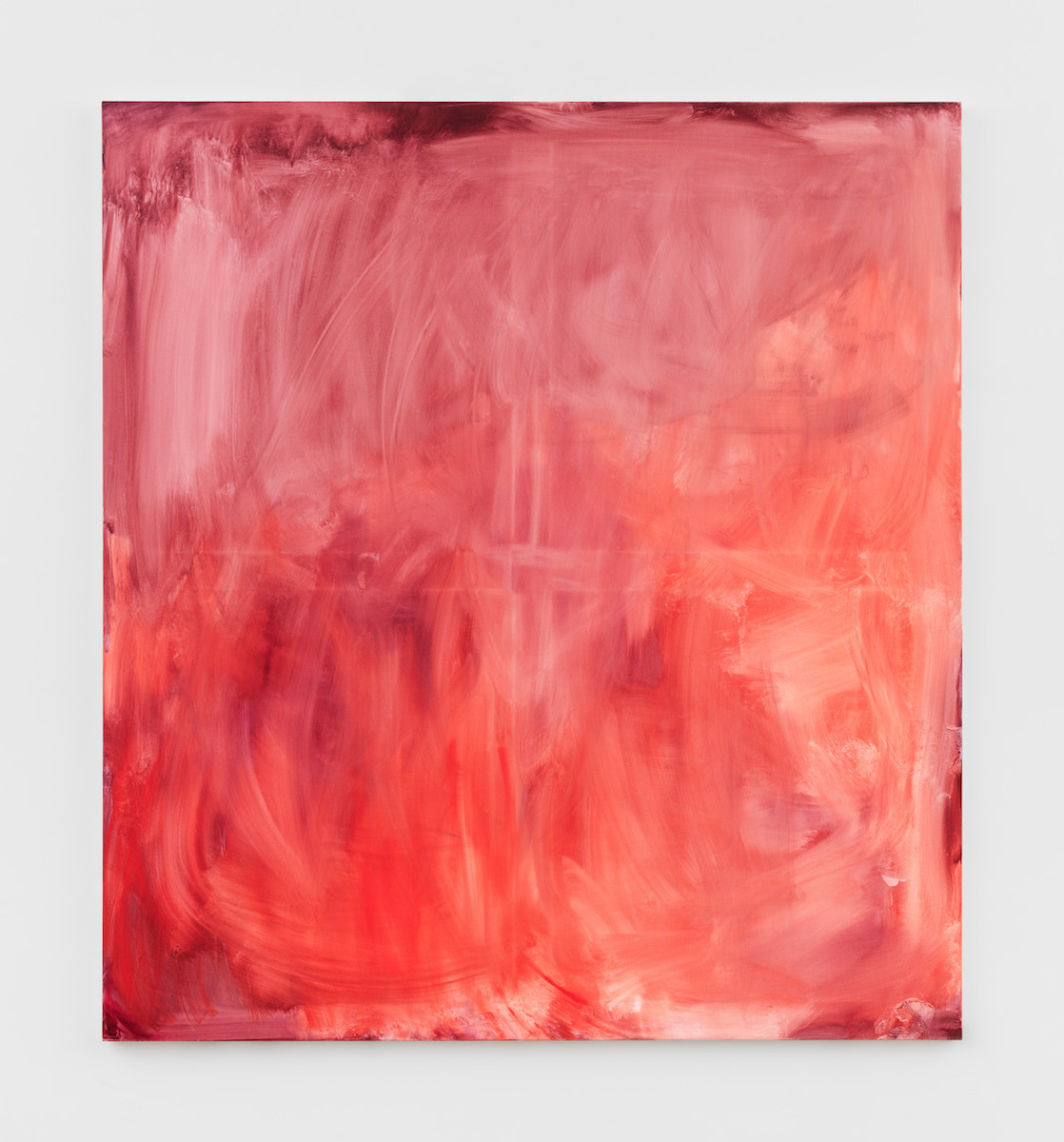 Jane Swavely, Not Yet Titled, 2026, oil on canvas, 72 x 66 inches.
The astounding rosy crimsons of Not Yet Titled is so impacted by the energy exerted by the brush that the ghost of the cross members of the stretcher bars have become an integral cruciform motif. Swavely previously employed this sleight of hand in OI (Object Identifier), of 2021, leaving one to posit as to whether it is one of those happy accidents emanating from the studio that Swavely has capitalized on.
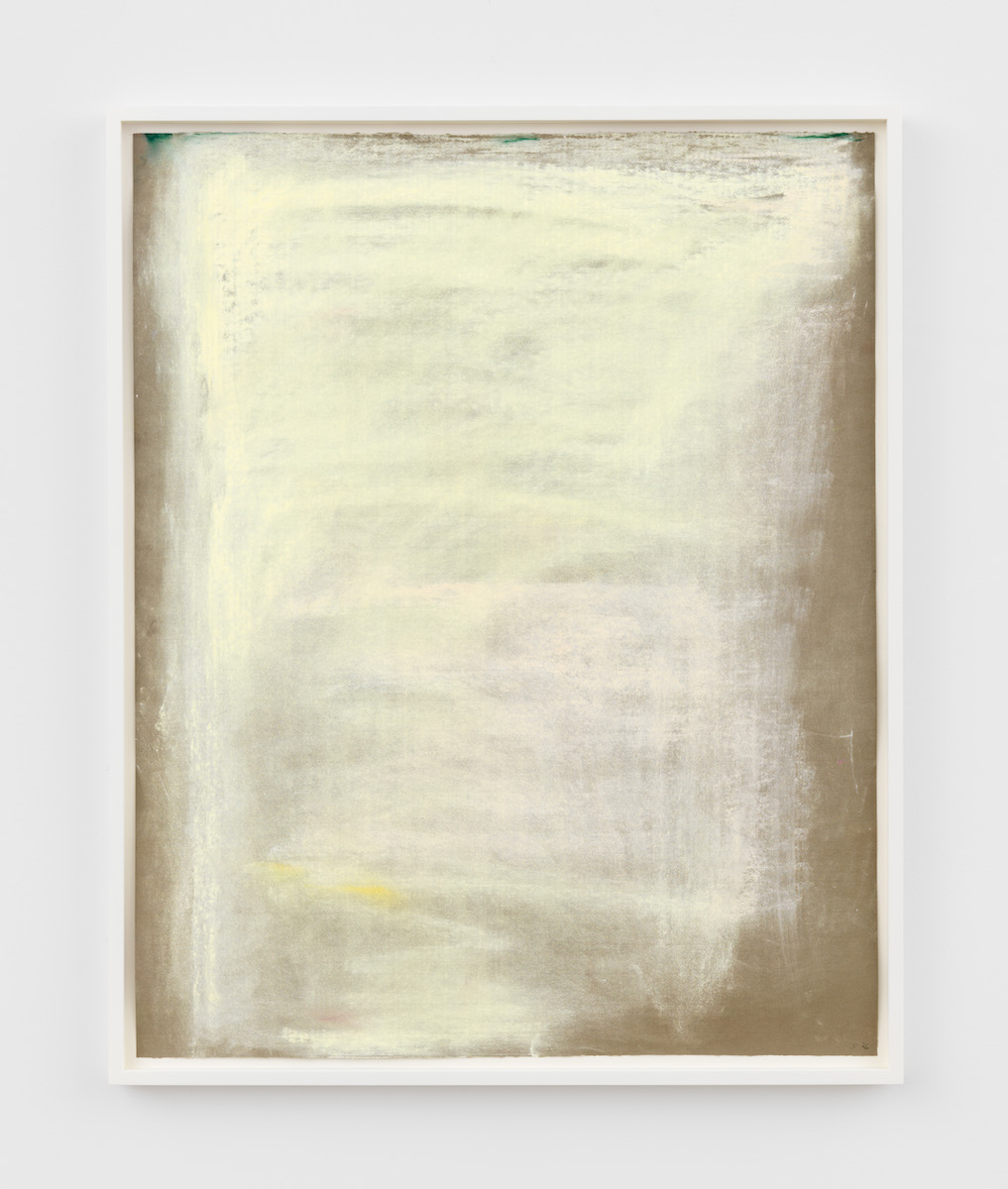 Jane Swavely, Untitled, 2026, soft pastel on Bugra, 43 x 34 inches (framed size: 44.5 x 36 inches).
With a re-discovery of the pastels of Edgar Degas Swavely turned to working in the medium on Bugra paper (yet one example of her acting on a compulsion fed by insatiable probing exploration), two examples of which are included in the exhibition, providing another platform for atmospheric exploration.
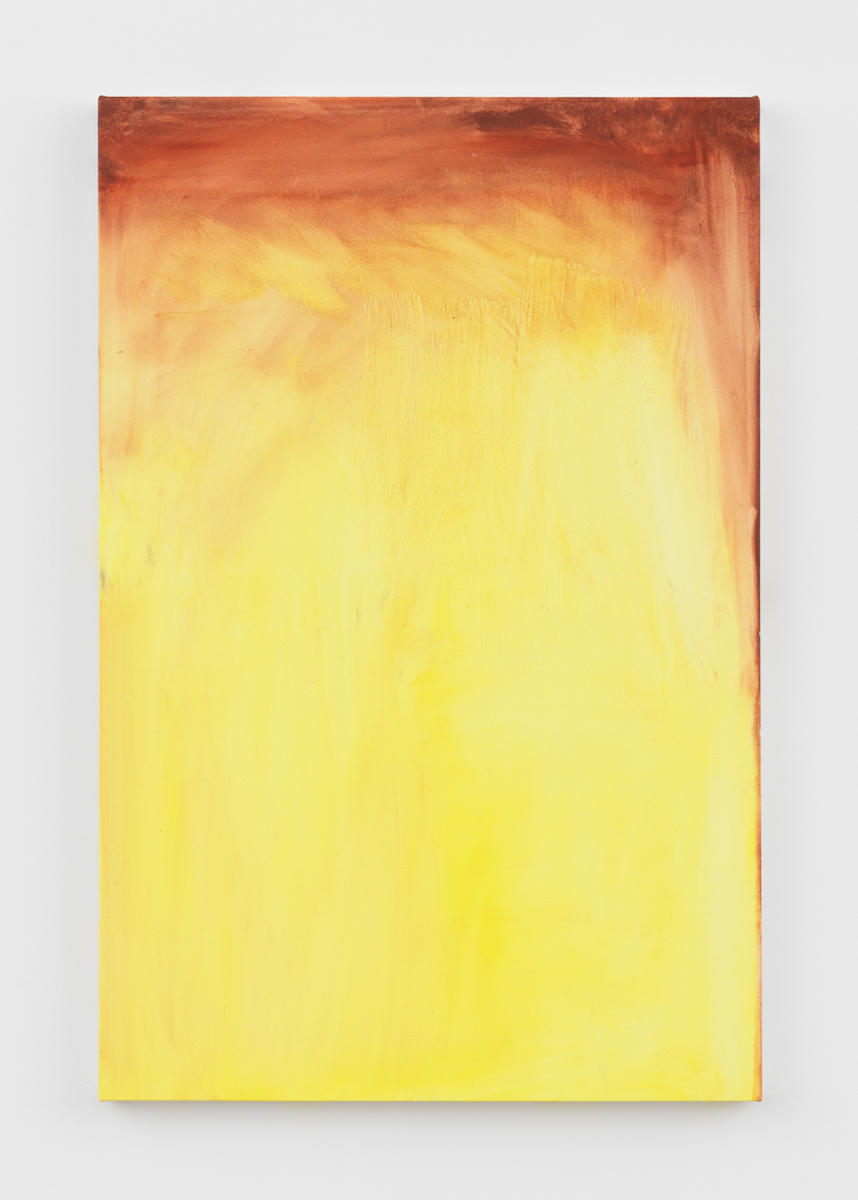 Jane Swavely, Untitled, 2026, oil on canvas, 38 x 25 inches.
Two paintings, smaller in stature, are installed over the front desk and secreted away in the inner office. The former, Untitled, is a light emitter, blasting a palette of daffodil turning tawny in the upper region; a blistering dawn as a fitting inducement upon entering the gallery.
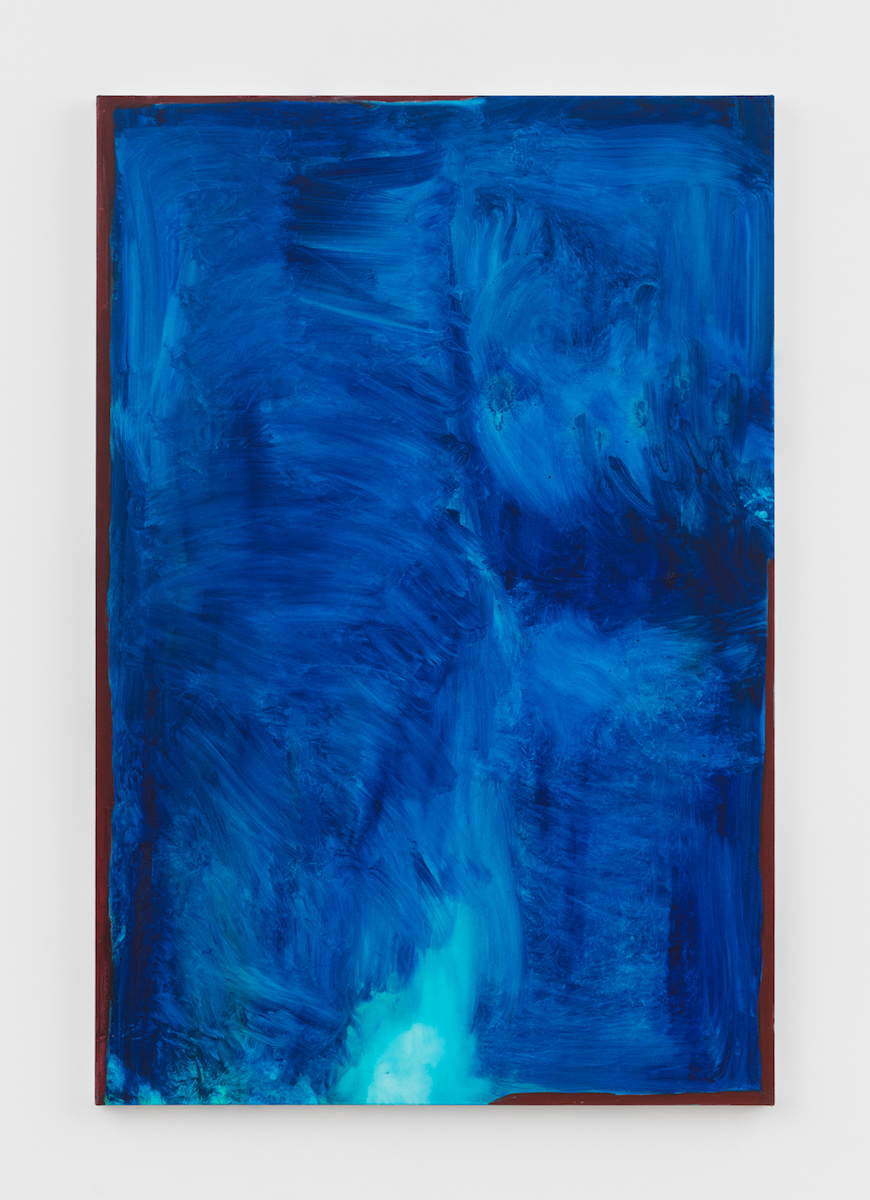 Jane Swavely, Not Yet Titled, 2026, oil on canvas, 52 x 35 inches.
While the latter, Not Yet Titled, bathed in a firmament of azure that envelops the eye with a poetic transcendence, the overgrowth of this passage is contained by sporadically evident rusty umber details of edging.
Then, there is something of the quixotic depictions found in the urban and bucolic wanderings of that romantic from this side of the drink, Albert Pinkham Ryder, his sense of unfolding mystery and idealistic faith, that is befitting of Swavely’s own openness and sincerity, in her work and person (observable in the cited lecture). ¶
Swavelys’ embrace of allowing the viewer to finish the experience of the work is amongst her most salient accomplishments.
______________________
* New York Studio School, Fall 2025 Evening Lecture Series: Jane Swavely On Her Work and Life on the Bowery, recorded on December 2, 2025.
† ibid.
¶ op. cit.
Jane Swavely: Strawberry Fields
Magenta Plains
149 Canal Street, New York, NY 10002
May 7–June 20, 2026

Edward Waisnis
Edward Waisnis is an artist and filmmaker. Additionally, he is the Producer of two Quay Brothers films, Through the Weeping Glass and Unmistaken Hands, as well as having overseen the facilitation of their 2012 MoMA retrospective. His writing has appeared in Art New England, COVER, ARTextreme and STROLL.
view all articles from this author