Whitehot Magazine
October 2026
"The Best Art In The World"
"The Best Art In The World"
October 2026
Inside the World of Michelle Rose: A Visual Soundscape of Memory and Meaning
 Michelle Rose
By MICHELLE ROSE September 6, 2025
I've always felt like a porcelain clown in a wooden dollhouse.
I was born at Vassar Brothers Hospital and raised just outside Poughkeepsie in the Hudson Valley. My mom taught in the two-year-old room at a local daycare called The Cinnamon Tree, where my sister was enrolled. I was in the baby room at the time, but every time my mom pulled out her acoustic guitar to play bilingual children’s songs, I somehow managed to make my way into her classroom. I followed her voice like a baby bird, escaping out of my crib and crawling down the hallway, trying to push over the tiny gate that separated us. All that time spent on the floor did a number on me, but it was also my first real taste of what you might call the unspoken pressure to get into the VIP room—that is, to be with my sister and mom. I started plotting early, knowing I had to get in there at any cost.
Art wasn’t a choice— it was my first language. Because of all the time I spent on the floor at The Cinnamon Tree as a baby, I ended up partially deaf from severe ear infections. That's what happens to children - when one sense quiets, the brain adapts. It literally speeds up to compensate. When my hearing finally returned, it left behind a severe speech impediment, selective mutism, synesthesia, misophonia, and a mind that moved too fast for words— I poured it all into every form of expression I could find.
By age five I tested cognitivly and analytically at the level of a 7.5 year old. My analytical mind was developing faster than average - not because I was exceptional, but because silence required it. I had to make sense of a world I could not fully hear. The experience unlocked a heightened and vividly textured creative inner universe.
Luckily, I was raised by artists and teachers who embraced and embodied my true nature. My mother is a poet and linguist, fluent in five languages. She grew up across Geneva, Switzerland and Brazil—the daughter of two German Jewish Holocaust survivors. My late father, a string instrumentalist in the truest sense, was the grand nephew of Epi Stathopoulo, founder of the Epiphone Guitar Company. In our home, language, music, and craftsmanship weren’t hobbies—they were inherited instincts, the atmosphere we lived in. Cyber Boi is the result of years of emotional and sensory archiving—an artifact shaped by lineage, adaptation, and inner velocity.
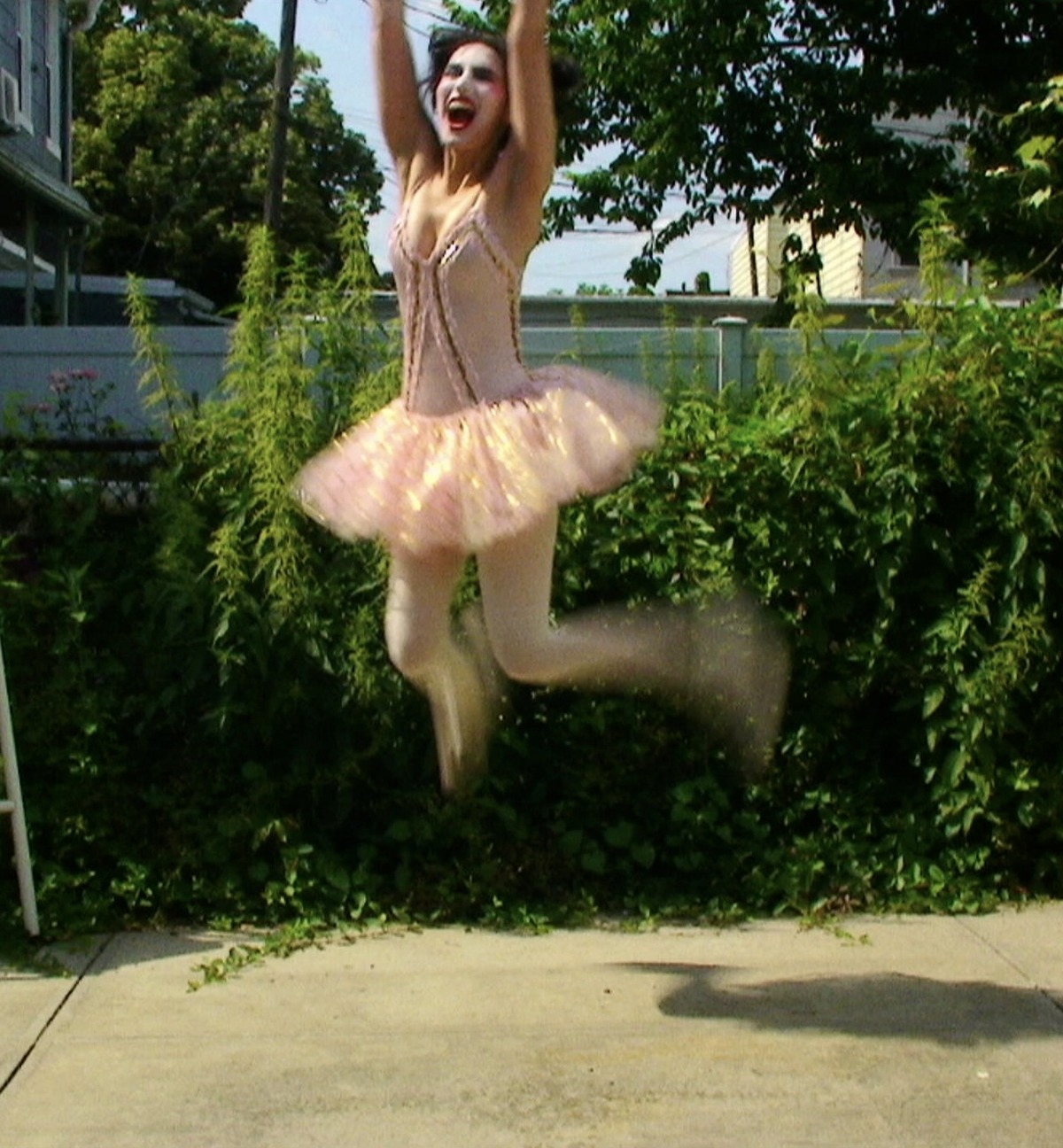
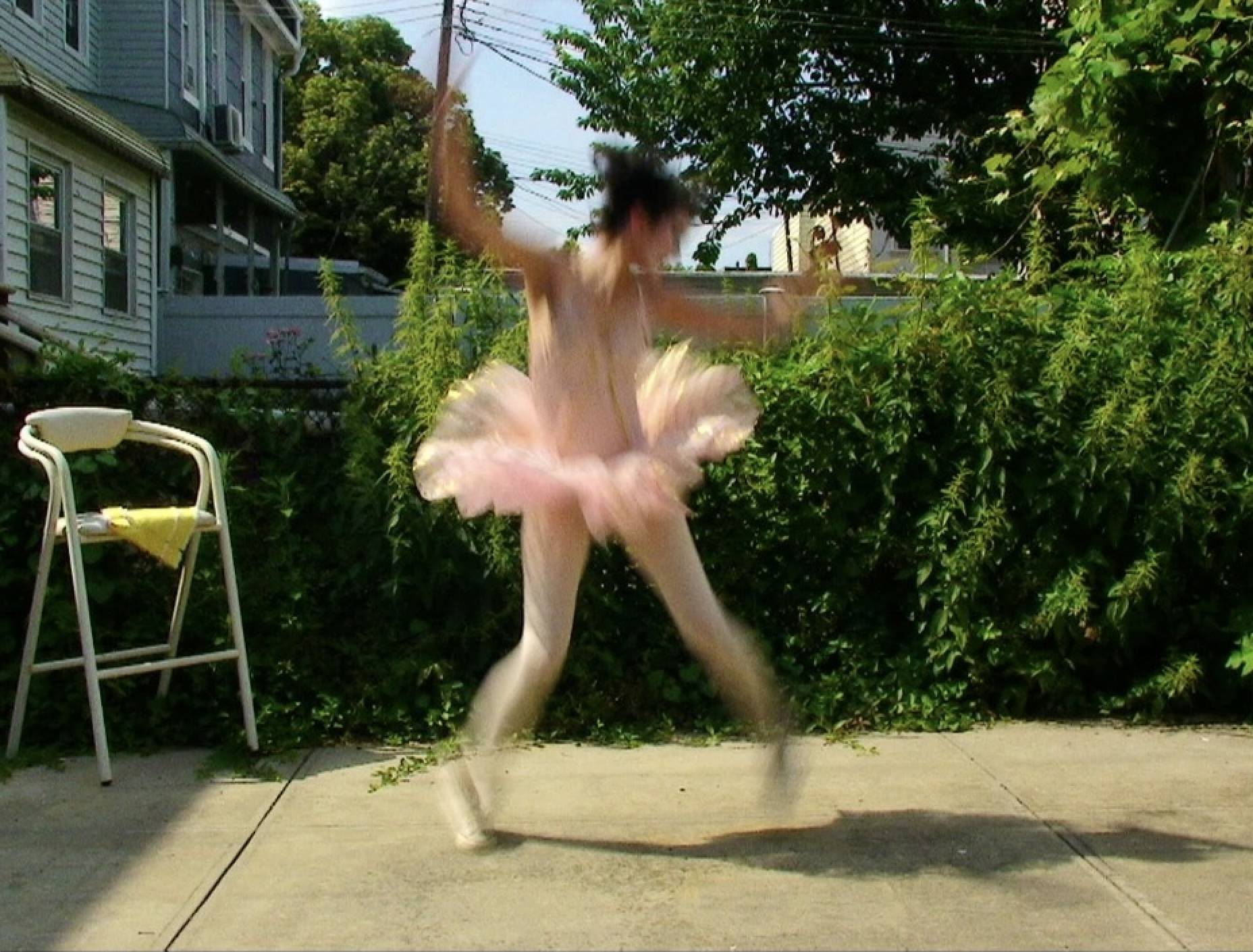
Cyber Boi captures the tension between analog nostalgia and the ambient dread of hyper-connectivity during an era when physical life was, for a time, suspended. The project is intentionally referential—a love letter to early-2000s digital adolescence: AIM away messages, and unsent texts. The experience of becoming a young woman in a small farm town called Lagrangeville — la ville de la grange, or 'the city of the barn' — in love with the golden boy who lived on the other side of Tymor Forest. According to local rumor, the park had once been a dairy farm, until the farmer failed to pay his taxes and was forced to donate the land to the state. The location of this video was the go-to- after school hang out for local teenagers.
Cyber Boi is an excavation: a sensory and psychological unearthing filtered through the lens of someone shaped by both the early internet and the physical world just beyond her window. Saran wrap-covered textbooks, squeaky markers tracing hearts, bendy pencils, Trapper Keepers, and the muted green glow of old backlit screens—these aren’t just aesthetic relics; they are emotional artifacts.
The original treatment for the music video was written in 2021 and quietly set aside—only to resurface four years later, almost prophetically, complete with a note to shoot in stop-motion on a MiniDV Sony camcorder. It was as if memory had already chosen the medium before the moment arrived.
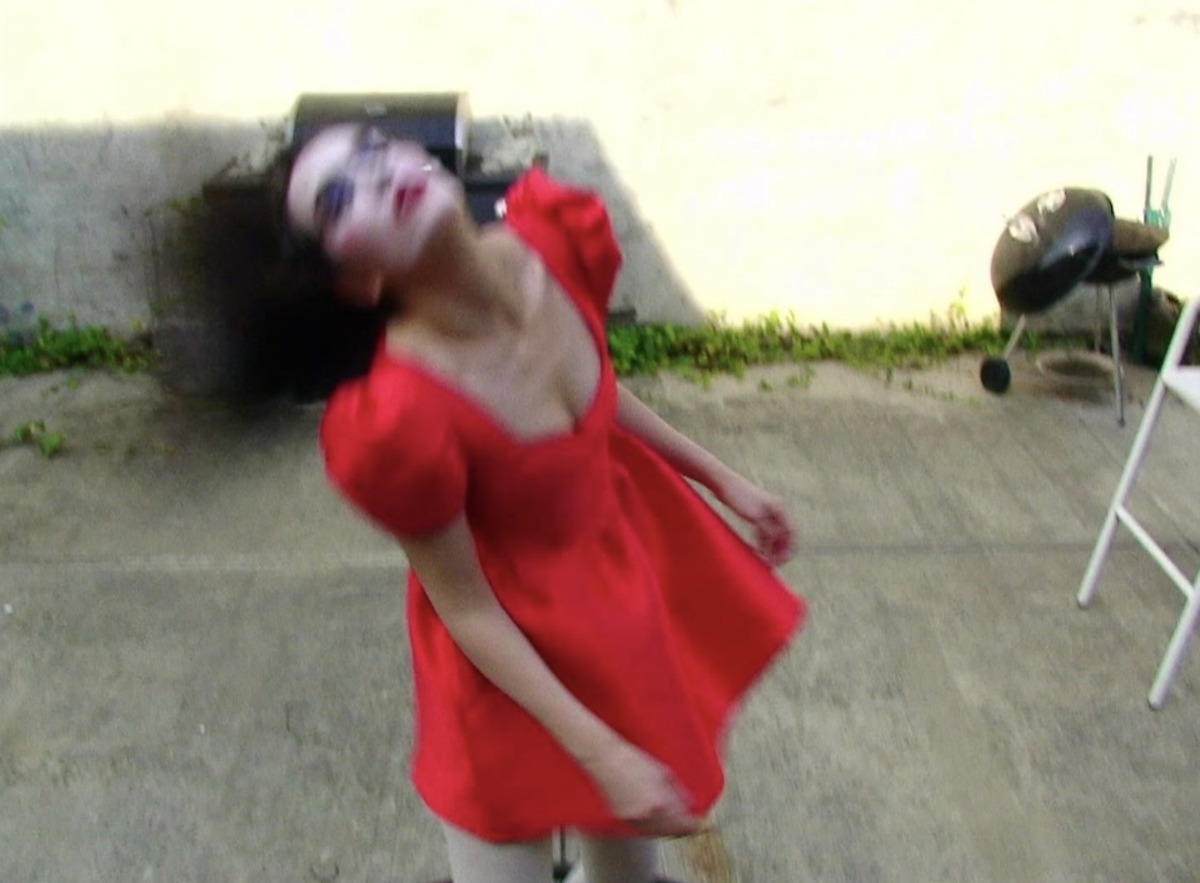
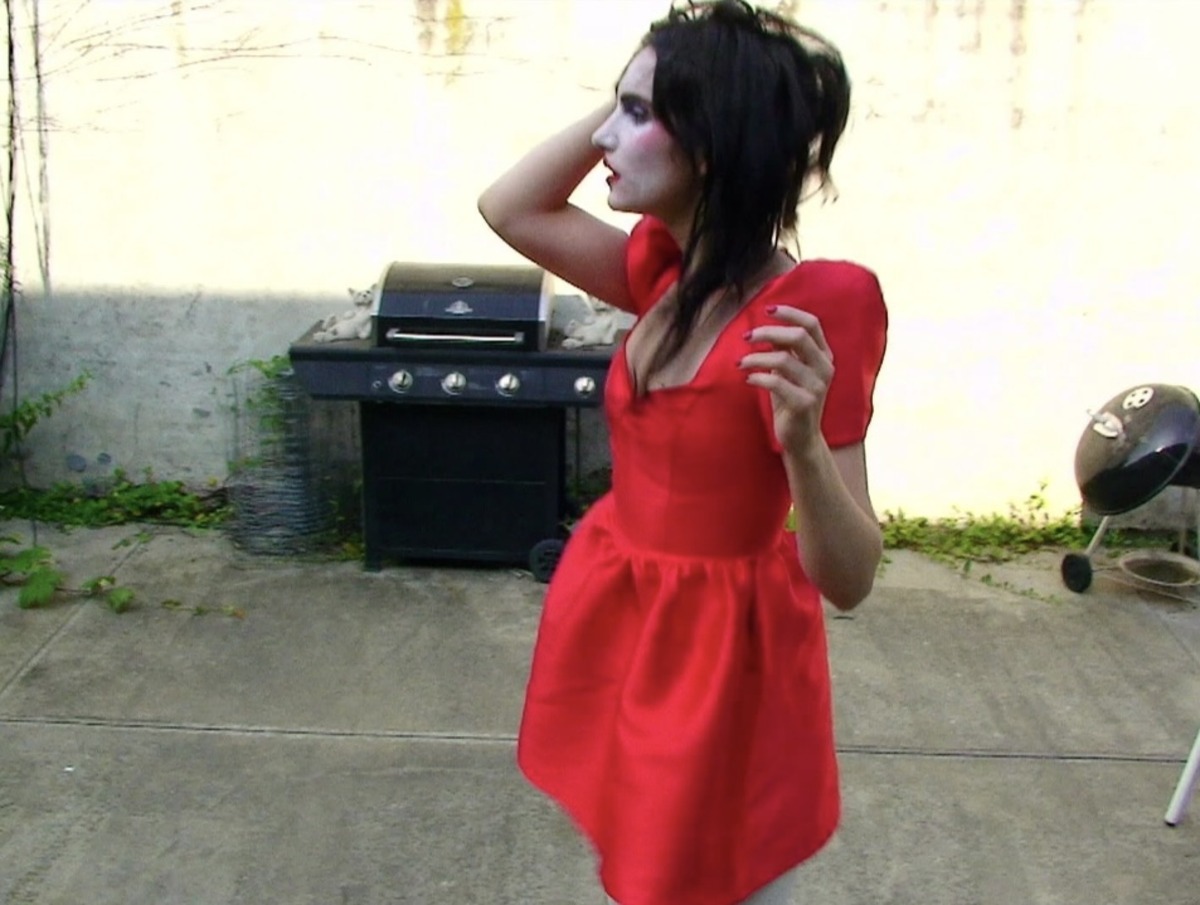
My visual references were rooted in early Harmony Korine and Sofia Coppola—cutting raw performance footage into fragmented, emotionally charged vignettes. I began developing the direction through weekly conversations with the video artist Maia Liebeskind at a restaurant in Brooklyn. In May when the restaurant eventually closed its doors, we set the date. In late August Maia and I jumped in my car with April June—a Madrid-based Russian born bedroom pop producer who brought her eloquence, helping us shape the dream logic of the visual world. Maia’s deep intuitive grasp of the playfullness of the project and analog background made her the perfect collaborator.
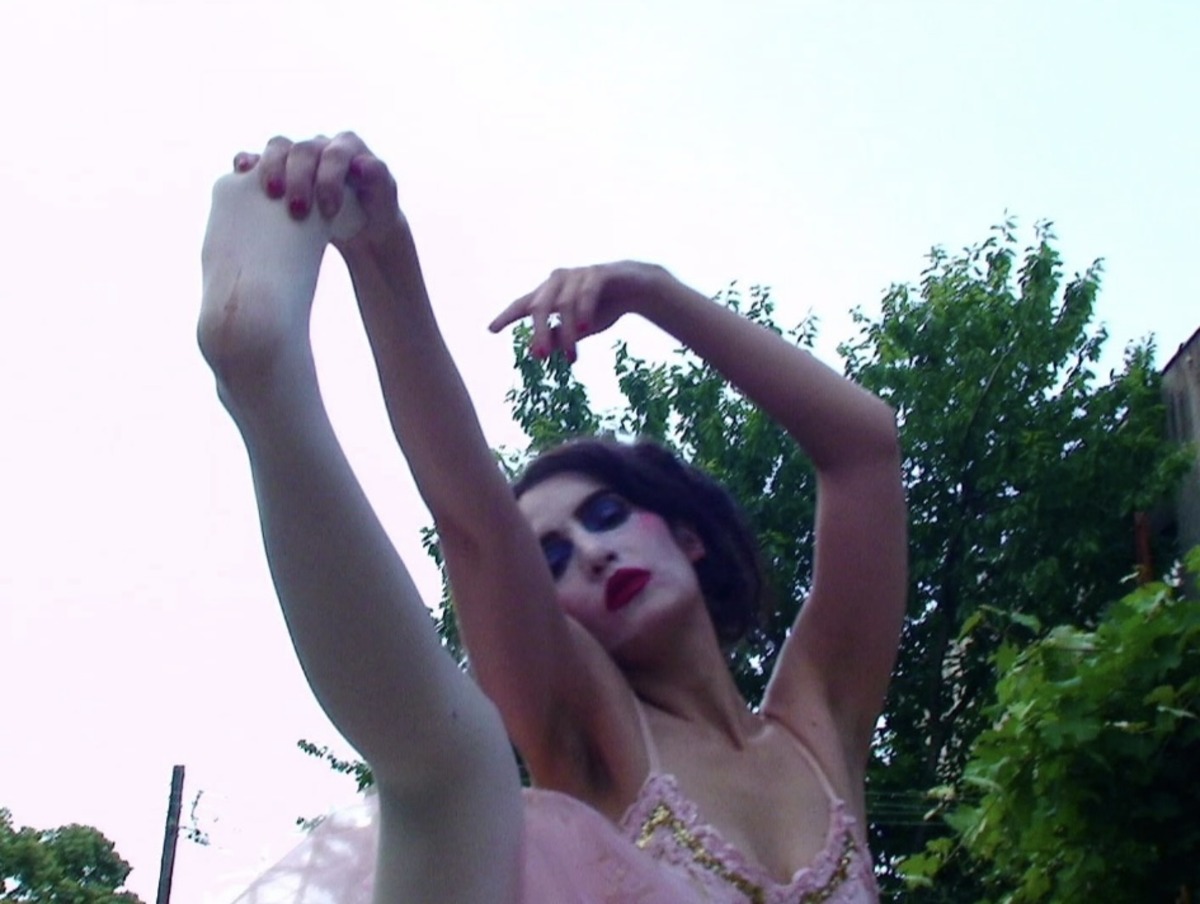
We shot in locations that still pulse with personal meaning:
The metal bleachers on top of a hill where my high school friends would play soccer after school.
My family’s wooden kitchen.
A vintage tutu nearly identical to the one I wore for my first ballet recital at age 3 (where I knocked out both front teeth because I might have been a little too young to be in the five-year-old class).
A mysterious doll dress that appeared in a suitcase dropped off by a friend after a vintage loft holiday pop-up—an unspoken gift that seemed to belong to the character before I even knew she existed.
Around the time Maia and I were in collaboration talks, I began long-distance creative calls with Noah Becker. Noah and I share a mutual friend, the painter Alfredo Martinez, who before he passed expressed a heartfelt wish for us to connect and become part of each other’s lives. Alfredo and I always felt that Noah and I were cut from the same creative cloth—and he wasn’t wrong. Our conversations revealed a shared language of resilience, artistic inquiry, and a spirit of holding onto reality as we pivot into the future world of AI and Web 3.
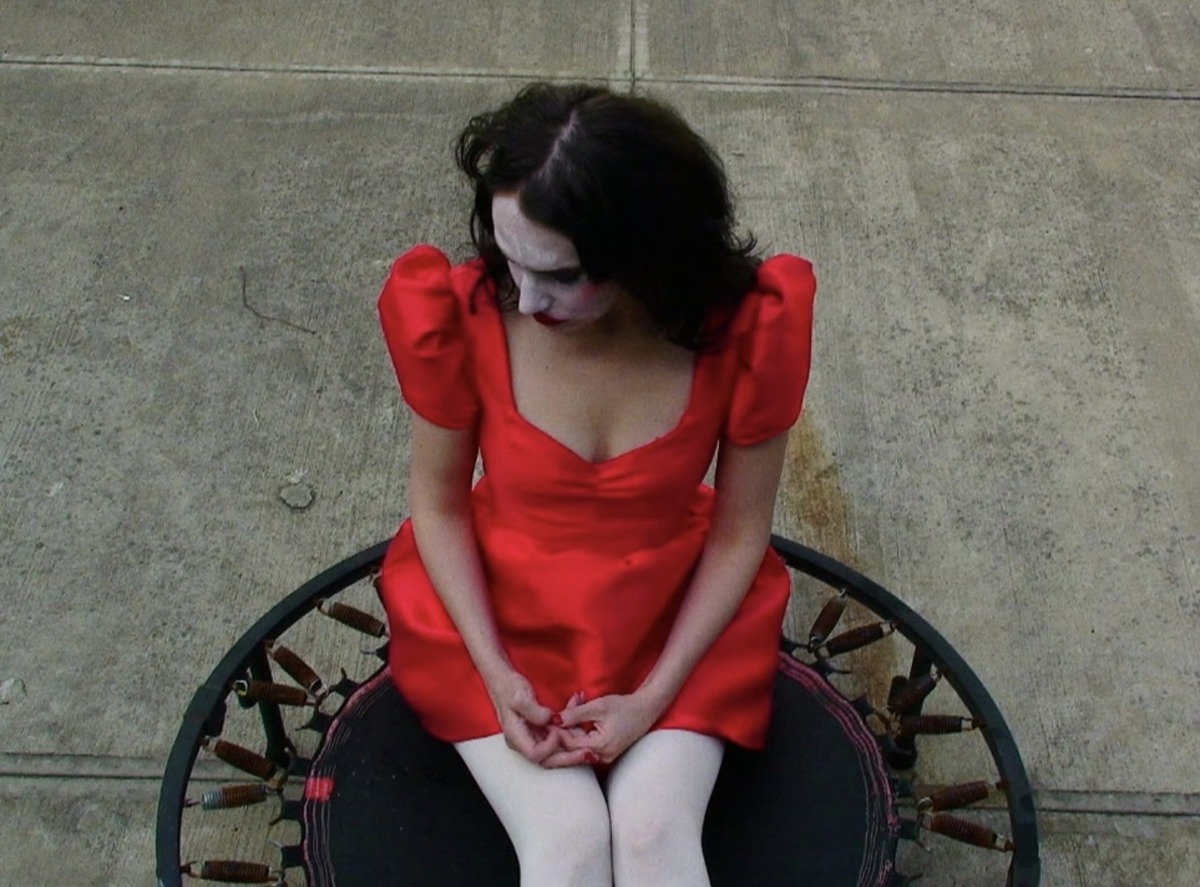

The track—co-produced by Tiny Gun’s Tyler McCauley, mixed and mastered by Brooklyn-based Musa, and released under Vanessa Silberman’s A Diamond Heart Production label—is the first in a new visual diary of music and memory, set to unfold through releases and performances across 2025 and 2026. The song was born in early spring 2021, during peak lockdown. A mysterious young local fashion designer, who had never left the area, arrived at my doorstep with Chinese food. That fleeting moment—equal parts mundane and magical—opened a portal to the past: to adolescence, first crushes, unspoken feelings, and the disorienting tenderness of being seen. A quiet reminder throughout it all: don’t forget to touch grass. The video was shot over two days in my childhood home and surrounding areas—a visual soundscape that stands as a testament to the power of nostalgia, memory, and the enduring spirit of creative collaboration.
Cyber Boi is an elegy, a scrapbook, a surreal self-portrait. It’s a portal between timelines and formats—between who I was, who I am, and who I’m becoming. This is the first installment in an unfolding world of visual storytelling and sound.
Through years of disciplined practice and intuitive exploration, I’ve come to navigate my drive for intensity with a nuanced understanding, embracing both tension and release as integral to the creative process. The video may feel nostalgic, but it doesn’t look back—it reanimates. Here’s a look inside my world.

Michelle Rose
Multidisciplinary artist and musician Michelle Rose has a distinct voice in New York’s downtown scene, bridging music, writing, and cultural curation. She comes from a long line of musicianship—her great-uncle was Epi Stathopoulo, founder of Epiphone Guitars. As a signed session writer and musician with Warner Chappell/Neon Gold, she has collaborated with artists including Dev Hynes, Blu DeTiger, Shamir, and SHAED, and was the voice behind Broad City’s secret pop singer “Leanne.”
Michelle has led cultural curation for Ludlow House, shaping its creative programming with a focus on emerging and boundary-pushing talent. Her writing has appeared in Audiofemme, OUT, Galore, BULLETT Magazine, and NYLON, and reflects the same bold, intuitive sensibility found in her modern music and video art collaborations.