Whitehot Magazine
October 2026
"The Best Art In The World"
"The Best Art In The World"
October 2026
“El dedo que entra en la llaga:” A conversation about the art of unsettling with Iñaki Guerras
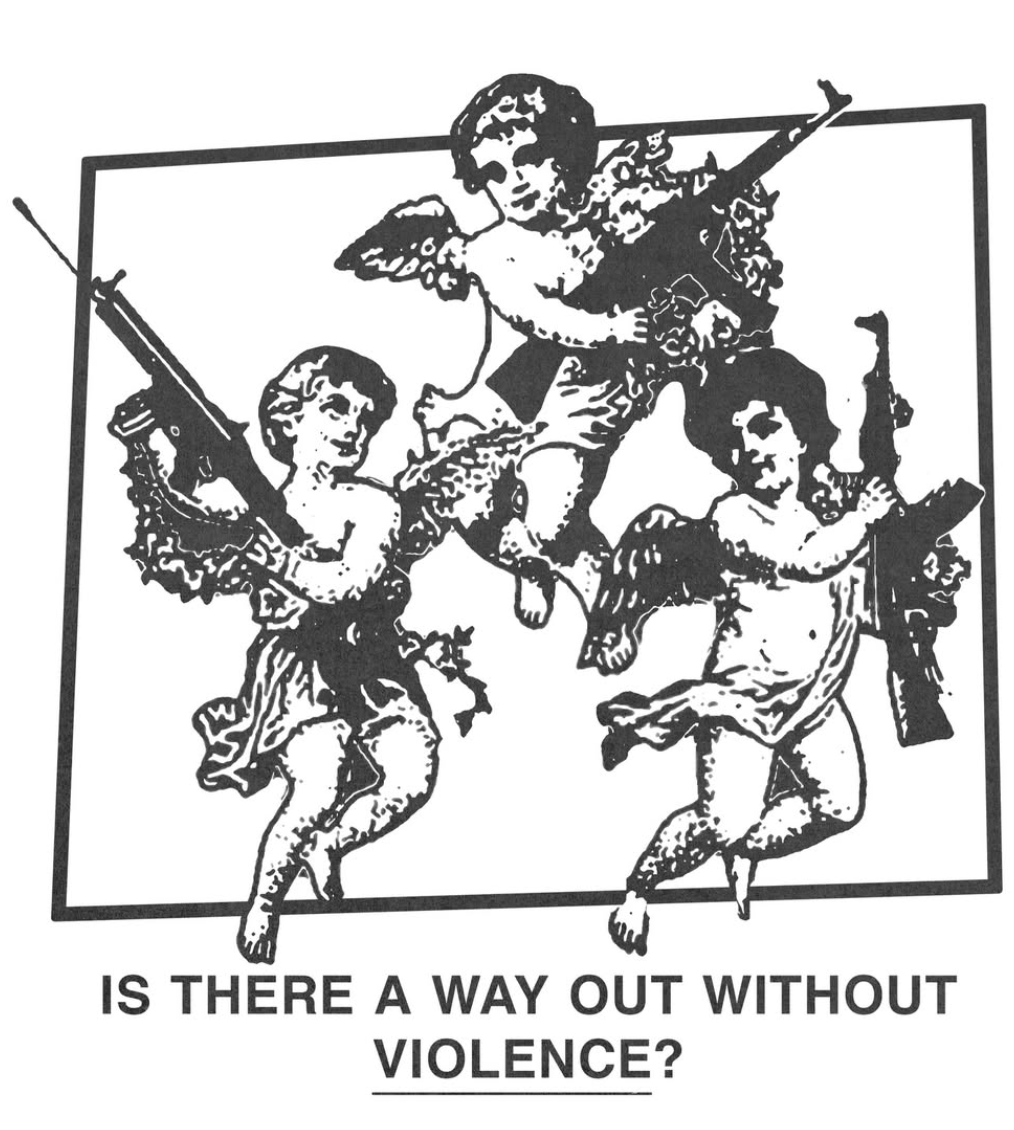 It Is A Way, by the artist. Permission from the artist. This is one of my favorite works because of how explicitly it explores both the weaponization of religious doctine to enable real-world violence and also how violence has become, within some religious communities, sacrosanct. I was raised in a Catholic church where the priest described his ideal angel as one strapped with amo and holding machine guns. Guerras' art is the first place I've seen that image of a militarized faith explored and criticized in earnest.
BY EMMA CIESLIK June 8th, 2026
Living in Washington, DC, I have been immersed in the explosion of protest art over the past two years. These works--from stickers to sculptures to performance art--intentionally take up space in a city fighting the rise of fascism, but what about the digital sphere. Over the last year, I have become fascinated with art that challenges not just political and social norms but also the artistic establishment itself, especially one that emphasizes that it must take up certain dimensions or be made of specific materials. One of the best examples of this is the work of Spanish artist Iñaki Guerras, more commonly known as Dread.
Dread has been creating a unique form of Gothic, anarchist graphic design for five years. It is now his full time job, and as he discusses below, a calling to invite emotional reactions in his viewers--the people who follow him or come across his work online. Like many burgeoning and well established artists, he uses Instagram as his art gallery, and invites people to engage through the app, influencing the spread of his work across the world. This spring, I had the chance to interview the aptly named artist about the power and potential of born-digital art to both incite change online and to make people deeply, and critically, uncomfortable.
Emma Cieslik: How did you get your start making art, and more specifically in graphic design?
Iñaki Guerras: I became interested in graphic design during my third year studying Audiovisual Communication. Even though I wasn’t able to get into a graphic design course, that frustration sparked my curiosity, and around 2020 I began teaching myself Photoshop, Illustrator, and design theory. Later on, I completed a master’s degree, although it was less focused on visual expression.
At that time, I was going through a difficult personal period. I felt lost, fragmented in my identity, and disconnected from my surroundings. My first pieces came from that sadness: manipulated self-portraits, phrases, musical references, and emotions transformed into images. They weren’t meant to communicate anything outwardly; they were a way of understanding myself.
In 2021, I almost completely stopped creating. I started feeling better, met my partner, and found healthier ways of dealing with things. But in 2022, some friends invited me to exhibit work alongside their clothing brand, and that reconnected me with design as a tool for exploring emotion. Little by little, other people began seeing themselves reflected in something that had originally been created only for me. Since then, my work has revolved around emotions, feelings, and visceral reactions.
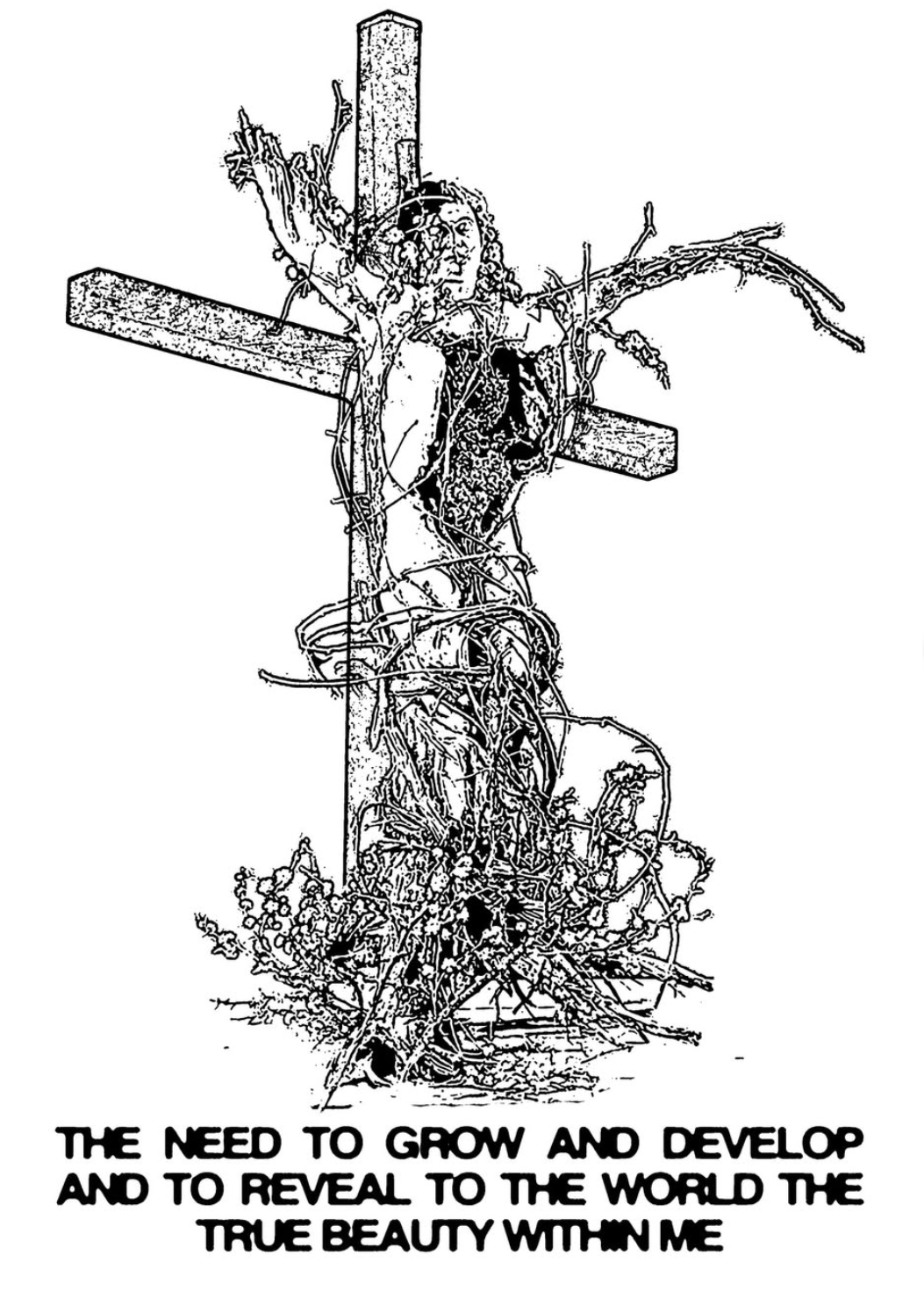 Beauty Will Reign Over This World, by the artist. Permission from the artist.
Cieslik: How do you share/distribute your art to viewers? What do you hope your art shares/ignites with/within viewers?
Guerras: I mainly share my work through Instagram. My work is born digitally; almost everything I create exists first on a screen, although some pieces eventually move into physical formats like t-shirts or posters. I think there’s something interesting in that transformation: how a digital image can become tangible and create a more direct connection with the person receiving it.
Beyond channeling my own emotions, I’m not necessarily trying to transmit one specific feeling, but I do want to provoke something in the viewer. I’m interested in moving people, unsettling them, or awakening an emotional reaction. What fascinates me most is that everyone responds differently. Some people have written to tell me that my work makes them feel less alone; other times I’ve received death threats. I suppose, as my partner says, my work acts like “el dedo que entra en la llaga,” which translates to “the finger pressed into the wound.” Even though I would like it to help people, I understand not everyone experiences it the same way.
Cieslik: Your graphic design takes on, in my eyes, a visceral guerilla art style that calls out injustice, violence, and abuse. What is the power of art to fight systems of inequality?
Guerras: Yes, I would say those are some of the main forces driving my work. I don’t know to what extent art alone can solve deeply rooted issues like violence, injustice, or exploitation, because these are structural cultural problems. But I do believe art has the power to move the ideas of tomorrow forward. Its strength lies in opening new ways of seeing, questioning what is established, and creating space for other perspectives. In the end, ideas need a medium through which they can exist and expand, and art can become exactly that. I’d like to think my work could, in some way, become part of that support system.
Cieslik: And often, to my interest, you explore religion. As someone who was raised Catholic, your work--especially your piece titled Cruel--explores the ways in which religion has been weaponized to harm, exploit, and kill. I think especially of Native children who were harmed and killed by nuns in Christian boarding schools across the United States. There's was a form of genocide that not only crushed and erased Indigenous language, culture, and religion but also the lives of Native children. What is your religious background, and how is exploring religion in your art a part of addressing injustice?
Guerras: I come from a Catholic family, and although there have been moments where I’ve questioned spirituality, I openly consider myself Christian. However, I despise dogma. I despise human intervention, because I believe it is entirely corruptible, and therefore so is the interpretation of the essence of God. That tension permeates many of my works, where I’ve represented moments of doubt, disobedience, and grief surrounding those ideas.
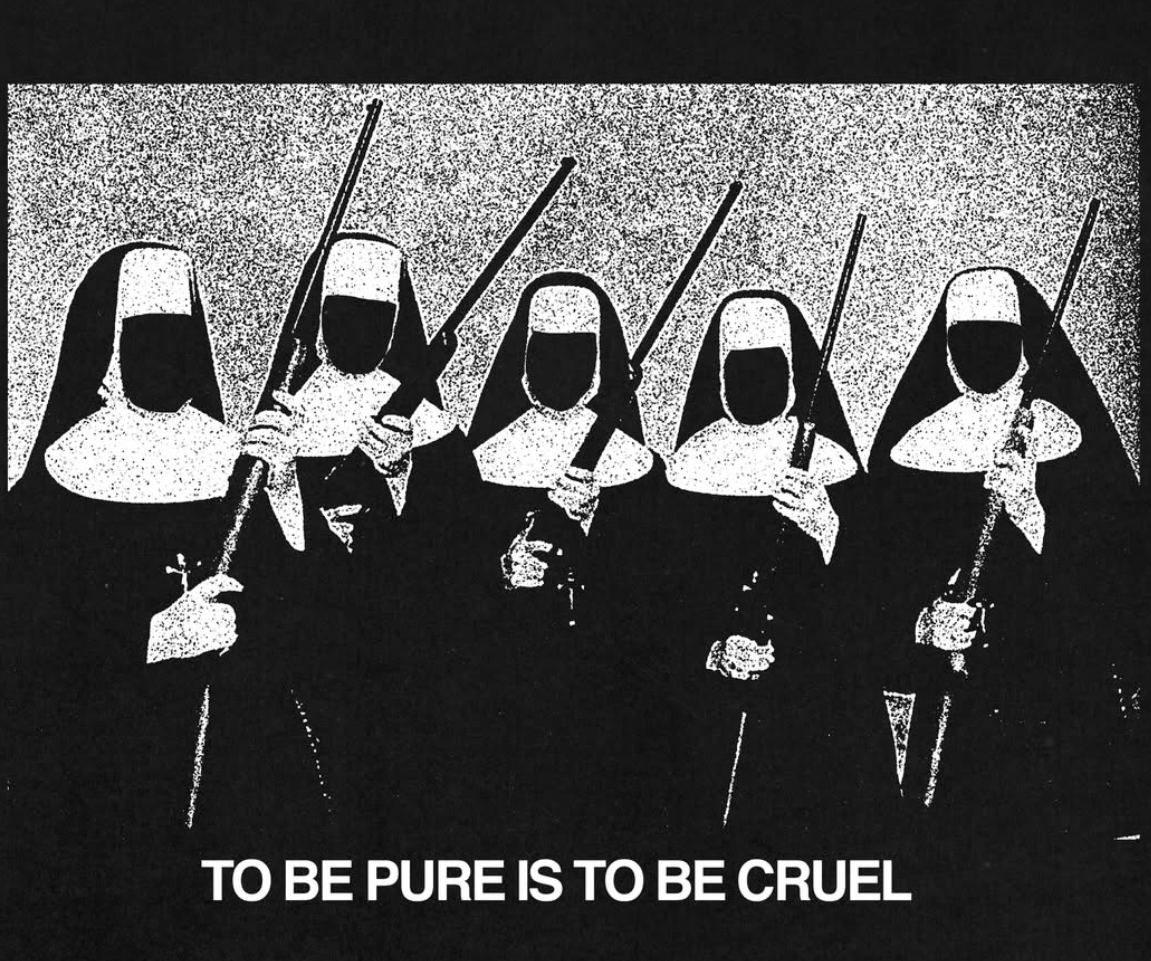 Cruel, by the artist. Permission from the artist.
Cieslik: How are ideas of purity, cruelty, doctrine, and obedience interwoven and exploded in your art?
Guerras: Within my work, I explore these ideas through the perspective of the individual confronting them: what it feels like to be abandoned and doubtful in the face of silence, or the pain of dedicating acts of self-improvement and sacrifice toward a divine purpose that never answers. I also address more directly how harmful dogma can be: how human intervention has caused immense pain by conditioning human behavior, sometimes blaming people — through supposed representatives of God — for failing to achieve purity, or justifying cruelty in the process.
And this goes beyond religion alone. These dynamics also exist within systems of control and structural power. Today there are countless examples of violence inflicted upon individuals for political, religious, or cultural reasons, and it feels impossible for me to deny that reality in my work. I believe there are genuinely good people within religious and institutional structures who act with good intentions, but my work is not driven by them.
Cieslik: What are the major throughlines in your art, and is there a line (or subject) you would not cross (or address)?
Guerras: Above all, emotion. Emotions matter because we build our actions through them, and they form the core of most of my work. Whether the source is social, psychological, political, or religious, my work revolves around emotional responses to negative or adverse situations we encounter in everyday life, and the psychological reactions they provoke — sometimes with sardonic humor, sometimes through denial, and sometimes through acceptance.
I do think there’s a line I cannot cross, although it’s more visual than thematic. A lot of imagery close to my aesthetic explores the limits of art through the use of real photographs of bodies and corpses. I understand the aesthetic purpose that kind of material can achieve, but I cannot incorporate it into my own work for ethical reasons.
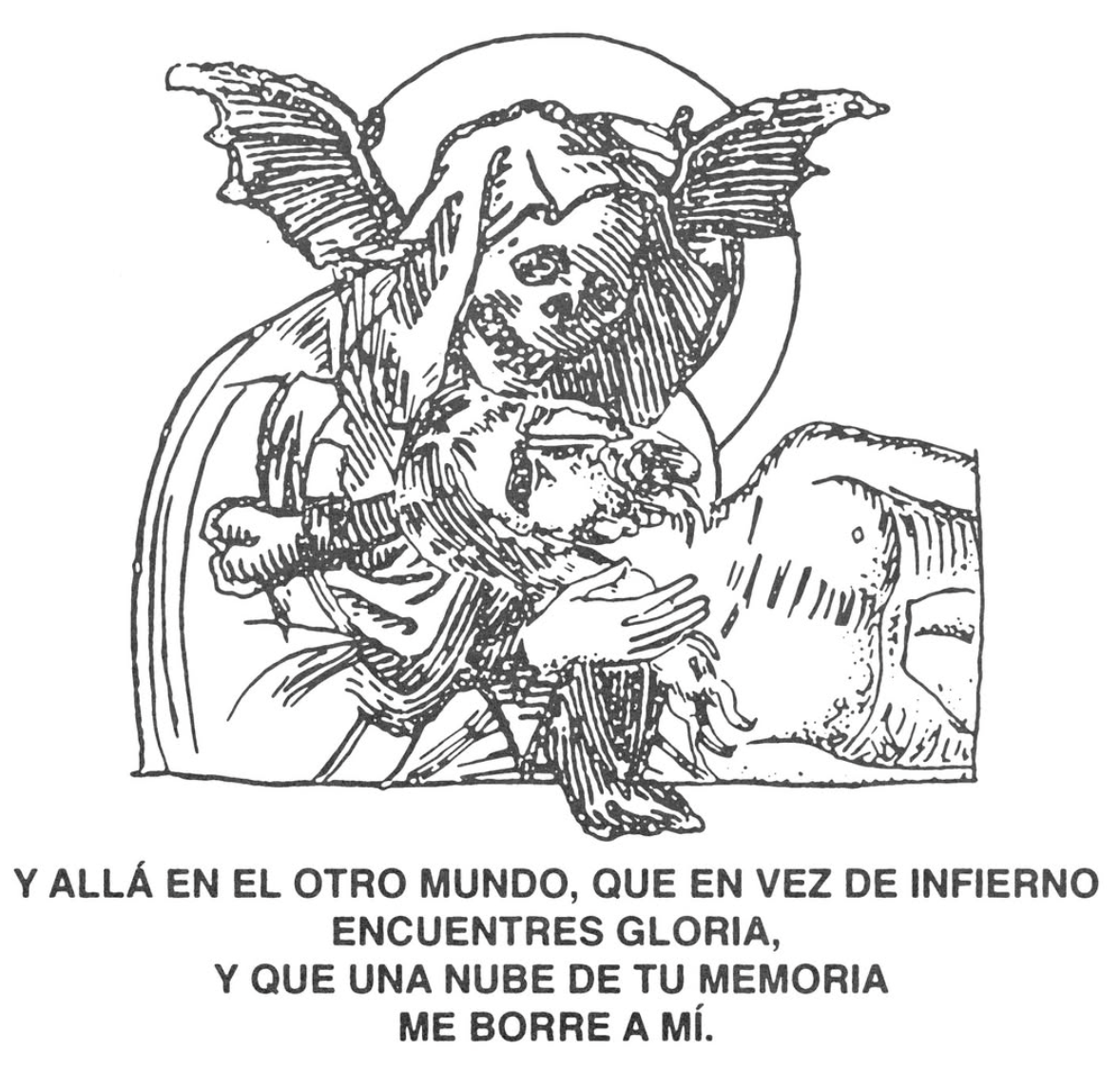 Y Allá En El Otro Mundo..., by the artist. Permission form the artist.
Cieslik: What happens if someone looks away from your work? Is that part of it, and how are emotions of fear, disgust, and anger part of the work you create and systems you dismantle?
Guerras: Of course. If the goal is provocation, then every emotional response is valid. Every day, many people criticize my work for expressing emotions they consider irrational or immature, or because it conflicts with their cultural ideals. But that response is also valid. I actually enjoy seeing people share their perspectives in the comment threads of my work. Sometimes I encounter genuinely thoughtful reflections that change the way I think. Other times, the reactions reinforce my beliefs because they’re rooted in insults or ideological contempt.
It feels like a jungle where you confront both deeply reflective people and others who wish death upon you. And honestly, I find that fascinating — the fact that the work can awaken something so visceral within them.
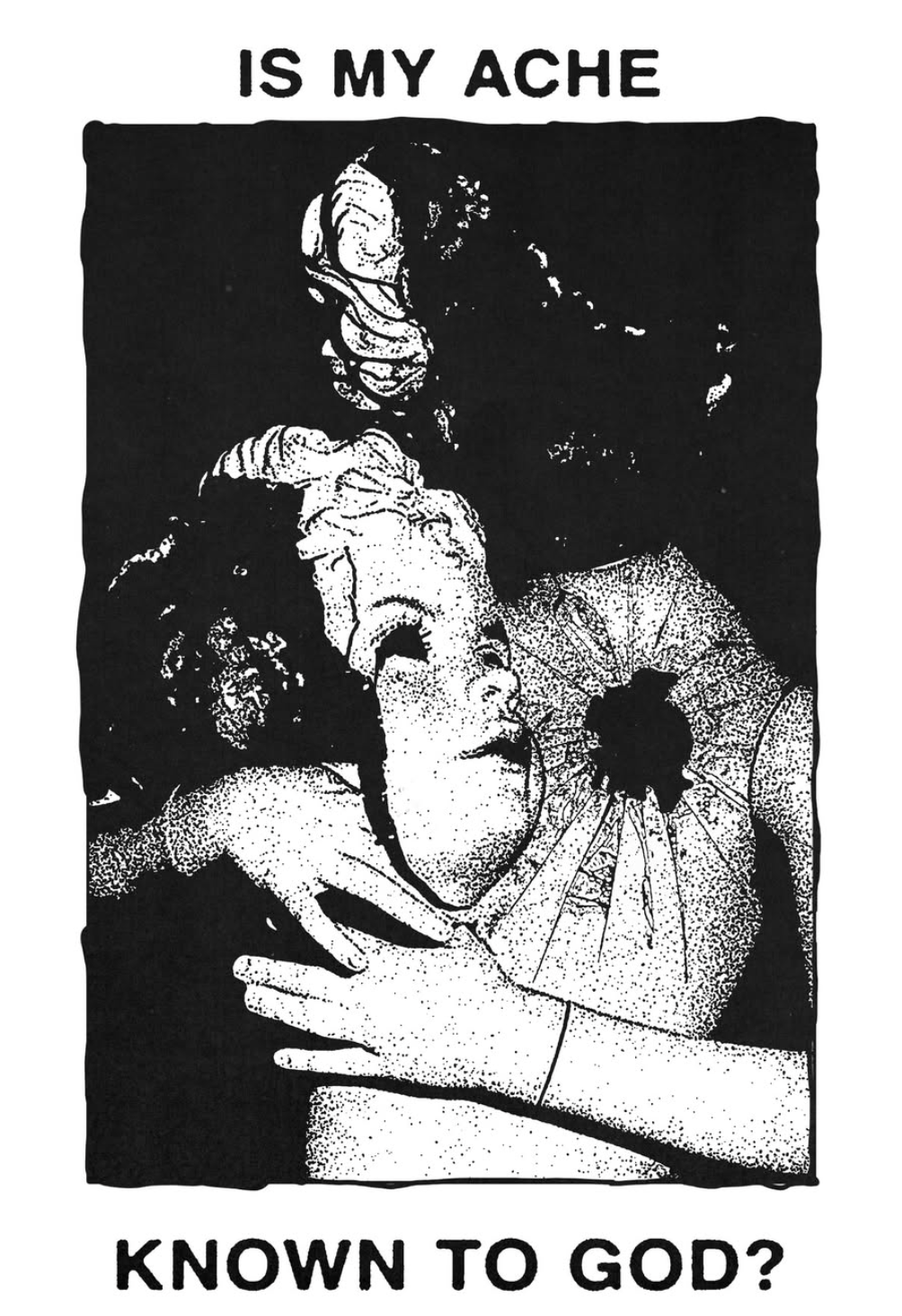 Painful Response, by the artist. Permission from the artist. The first time I learned about Guerras' work was from Panteha Abareshi who I interviewed for Whitehot earlier this year. Guerras' work similarly explores elements of chronic illness, pain, and punishment.
Cieslik: Is there anything that I didn't ask you that you'd like to share about your amazing work?
Guerras: Yes. I’d like to take the opportunity to say something about the responsibility that comes with exploring such intense emotions. There is always help. Most problems can be solved, and life is one of the greatest gifts we have. I understand that my art has sometimes explored feelings of abandonment and hopelessness, but there is always a path beyond that. Let yourself be heard — by a friend, a sibling, or someone close to you. Allow yourself to fail. But also allow yourself to accept that solutions exist.
Learn more about Guerras’s work on his website.

Emma Cieslik
Emma Cieslik (she/her) is a queer, disabled and neurodivergent museum professional and writer based in Washington, DC. She is also a queer religious scholar interested in the intersections of religion, gender, sexuality, and material culture, especially focused on queer religious identity and accessible histories. Her previous writing has appeared in The Art Newspaper, ArtUK, Archer Magazine, Religion & Politics, The Revealer, Nursing Clio, Killing the Buddha, Museum Next, Religion Dispatches, and Teen Vogue
view all articles from this author