Whitehot Magazine
October 2026
"The Best Art In The World"
"The Best Art In The World"
October 2026
Emily-Jean Alexander on the Future of Art Toronto: A Conversation with Noah Becker
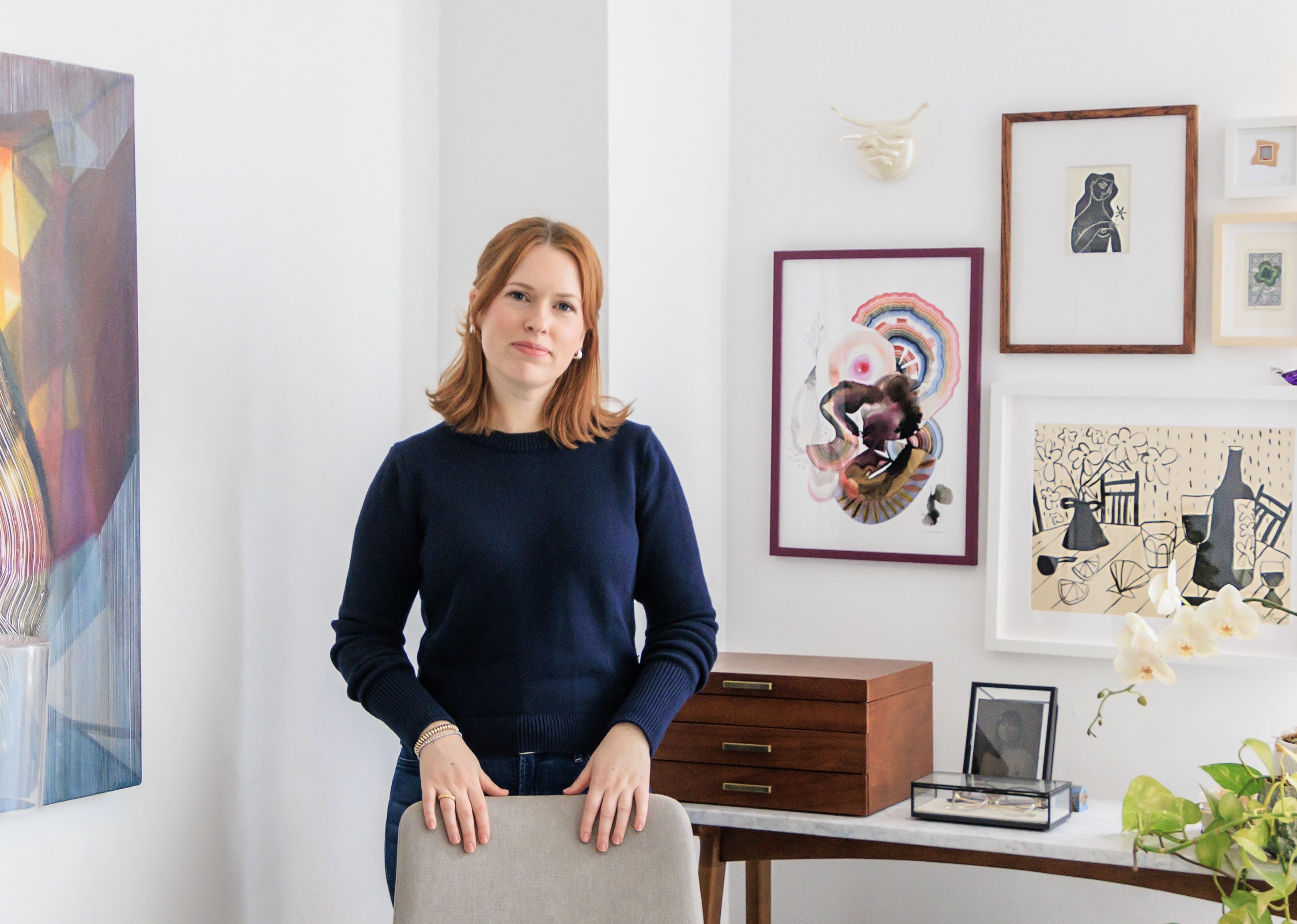 Emily-Jean Alexander, director of Art Toronto
By NOAH BECKER October 8th, 2026
What feels different about returning to Art Toronto now as its Director?
The last time I worked on Art Toronto was prior to the pandemic. I was lucky in that, having worked for the fair for a long time and through a period of transition, I had great relationships with galleries, partners and collectors. Returning to the fair nearly six years on is both nostalgic, as I reminisce about past fairs, and full of new discoveries as I meet the new wave of gallerists, see new spaces and artists, and discover how the post-pandemic art scene in Canada has evolved.
I'm glad, on returning, that Art Toronto still holds a special feeling among those in the arts in Canada. It's a "homecoming" that feels vital each year. New to that feeling, though, is a layer of urgency in finding ways to make sure that we are playing a role in sustaining the art economy here in Canada as it looks to new audiences, develops more philanthropy and creates more opportunities for collaboration both nationally and internationally.
What are some of the things you most want to change or develop at Art Toronto?
My goal coming back to the fair this year was to really understand how the fair, now in its 27th year, is supporting its galleries, the collectors, broader audiences and the art market in Canada.
The most immediate need that stood out was around audience development, so that has been a big focus this year. To me, audience development really boils down to confidence and fun. Confidence that you can come to the fair and belong, that you can develop relationships with galleries and institutions, and that there is a thriving arts scene you can engage with all year long. For fun, we want to make sure that you can walk through the fair and have a layered experience where you see things that amaze you, can participate in something immersive or educational, relax in an inspired atmosphere and have great conversations with friends, family, strangers and our galleries.
For 2027 and beyond, well, I'm really looking forward to hearing from people this year about what they want to see!
How can Art Toronto expand its influence and visibility internationally?
Canada is having a moment internationally, with more eyes on us for partnerships and investment—and this extends to our arts industry. Our impressive showing at this year's Venice Biennale demonstrated the caliber of Canadian contemporary art and the international recognition we're gaining.
Canada has many strong market segments, including our rich legacy in painting and photography and our vibrant Indigenous art market. I want Art Toronto to be the platform that promotes the institutional recognition our galleries and artists are receiving, so that we are a globally significant cultural event that puts Canadian art at the center of the international conversation.
What did working with American art fairs teach you about today’s art market?
Working with American art fairs revealed that while the art market can be fragile, community is absolutely key to resilience. The USA has a much longer and deeper tradition of arts philanthropy that creates a more robust support system for the market.
Americans, from first-time fairgoers to established collectors, move faster when it comes to purchasing artwork; there's a decisiveness and confidence in their buying patterns that's quite striking. They also participate readily in activations that promote charities and institutions, understanding that their engagement extends beyond individual collecting to supporting the broader arts ecosystem. There is a momentum there that is deep and sustains the entire art ecosystem, even during challenging periods.
How can Art Toronto better support smaller, younger, and emerging galleries?
For emerging galleries, the biggest challenge I'm trying to solve is visibility. There can be systems within art fairs that seem weighted against first-time or emerging galleries, and I'm actively working to identify these barriers wherever I can to create better balance.
I challenge our tour guides, art advisors, and partners to consciously include new gallery voices as part of our programming. It's not enough for emerging galleries to be in the room; we need to ensure they're integrated into the fair's narrative and that visitors are actively directed to discover what they're presenting.
How do you see Art Toronto and Artist Project complementing each other?
I've been in quite a few collectors' homes, and what I see is a very varied approach to collecting artwork and whom they're buying from. In some homes, works bought from Artist Project hang alongside works from Art Toronto.
I think purchasing artwork from both fairs can be very validating for collectors. There's something powerful about having an experience directly with an artist at Artist Project, while also developing a rapport with a gallery at Art Toronto. Both pathways offer different but equally meaningful ways to engage with art.
Having fluidity between both sides is crucial. The fairs serve different but complementary functions: one offers the intimacy of direct artist connection, the other provides the curatorial expertise and market context that galleries bring. Together, they create a more complete and accessible art experience that meets collectors wherever they are in their journey.
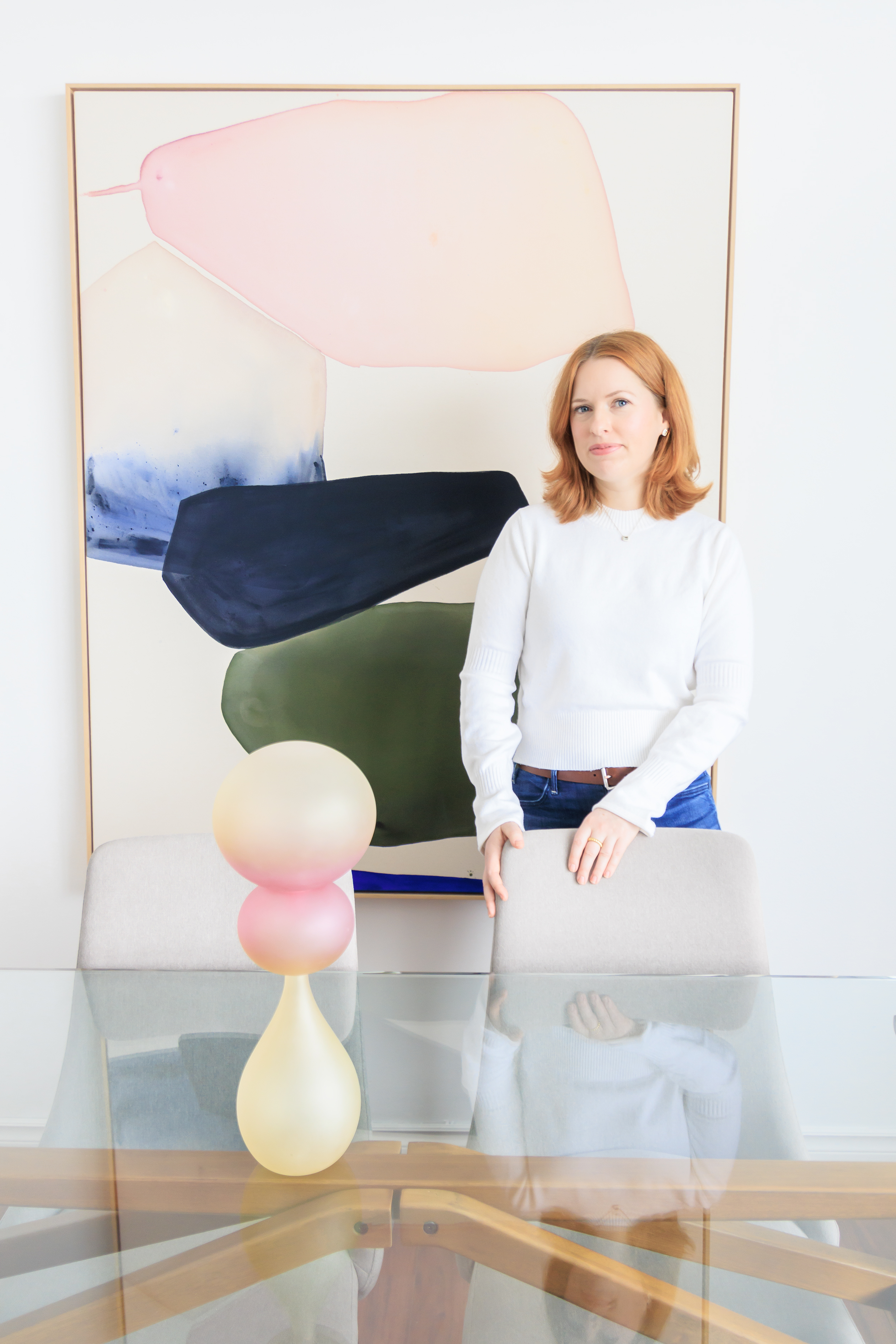 Emily-Jean Alexander, director of Art Toronto
How can Art Toronto turn younger audiences into serious art collectors?
Providing different pathways into the fair is key, as not everyone learns and sees the same way. We need to meet people where they are and offer multiple entry points that resonate with different learning styles and comfort levels.
This year, we're working with Nico Epstein from The Collector Connoisseur on a free learning module that people can use as prep for the fair. This gives newcomers the foundational knowledge they need to feel confident navigating the art world and understanding what they're seeing.
We're also launching our first Emerging Collectors Evening on Friday from 5 to 9 p.m., designed to be a mirror of the Opening Night gala but much more approachable and fun. Think lounge-style DJ, complimentary cocktails, and engaging talks and tours, all aimed at the philosophy of buying what you love and starting with accessible works.
By combining education with social experiences and emphasizing accessibility, we can help transform a fun kickoff to the weekend into genuine, long-term engagement with the art market.
How can the fair help Canadian artists and galleries gain greater international recognition?
This is fundamentally a year-round challenge that requires a holistic approach from the entire arts ecosystem—the fair represents just four days.
We need more narrative from collectors and institutions about what they are buying, who they are buying from, and which artists they are championing by giving them opportunities. There needs to be more transparency about how deep the collecting and patronage actually are here in Canada.
The fair can serve as a catalyst and showcase, but the real work happens year-round through sustained institutional support, collector advocacy, and creating compelling stories about Canadian art that resonate beyond our borders. We need to demonstrate not just the quality of our artists, but the strength and commitment of our collecting community and the depth of institutional engagement with Canadian contemporary art.
What makes Art Toronto distinct from the growing number of international art fairs?
I'd actually challenge the premise that we are seeing a growth in the number of international art fairs. In the last few years, I have seen fairs close in different markets or become consolidated or intentionally smaller. "Fair fatigue" seems to have played a significant role, in addition to other macroeconomic factors affecting the art market globally.
I believe regional fairs like Art Toronto do have some resilience against the trend line of how art fairs are performing globally. We serve a specific and essential function that transcends the typical fair model.
Art Toronto has always had the responsibility to show the breadth and depth of the art market across Canada, and as the singular fair in this role specifically, it has a higher calling than just another fair in an international art week. Art Toronto occupies a distinct position as the definitive platform for Canadian art, which creates inherent value for galleries, artists, and collectors who recognize the importance of this national conversation.
What do you hope your first edition as Director of Art Toronto will be remembered for?
Similar to how I feel about my return to the fair being a mix of nostalgia and new discovery, I hope that people who experience Art Toronto see that we have brought back some pre-pandemic highlights (like the Solo section) while also mixing in some new initiatives (like the Ready to Collect Art Advisory Service).
I've also really tried to turn the lens back on the galleries we work with. Working with them for so many years is the foundation of why I am in this role today, and I want to make sure they feel as rewarded by being at the fair as I do.
Art Toronto: Metro Toronto Convention Centre, North Building - October 29 - November 1, 2026

Noah Becker
Noah Becker is an artist and the publisher and founding editor of Whitehot Magazine. He shows his paintings internationally at museums and galleries. Becker also plays jazz saxophone. Becker's writing has appeared in The Guardian, VICE, Garage, Art in America, Interview Magazine, Canadian Art and the Huffington Post. He has written texts for major artist monographs published by Rizzoli and Hatje Cantz. Becker directed the New York art documentary New York is Now (2010). Becker's new album of original music "Mode For Noah" was released in 2023.
Becker's 386 page hardcover book "20 Years of Noah Becker's Whitehot Magazine of Contemporary Art" drops Aug 8, 2025 globally on Anthem Press.
Noah Becker on Instagram / Noah Becker Paintings / Noah Becker Music / Email: noah@whitehotmagazine.com
view all articles from this author