Whitehot Magazine
October 2026
"The Best Art In The World"
"The Best Art In The World"
October 2026
The Narrative Trespasser: An Interview with John Akomfrah for Listening All Night to the Rain, Lisson Gallery, New York
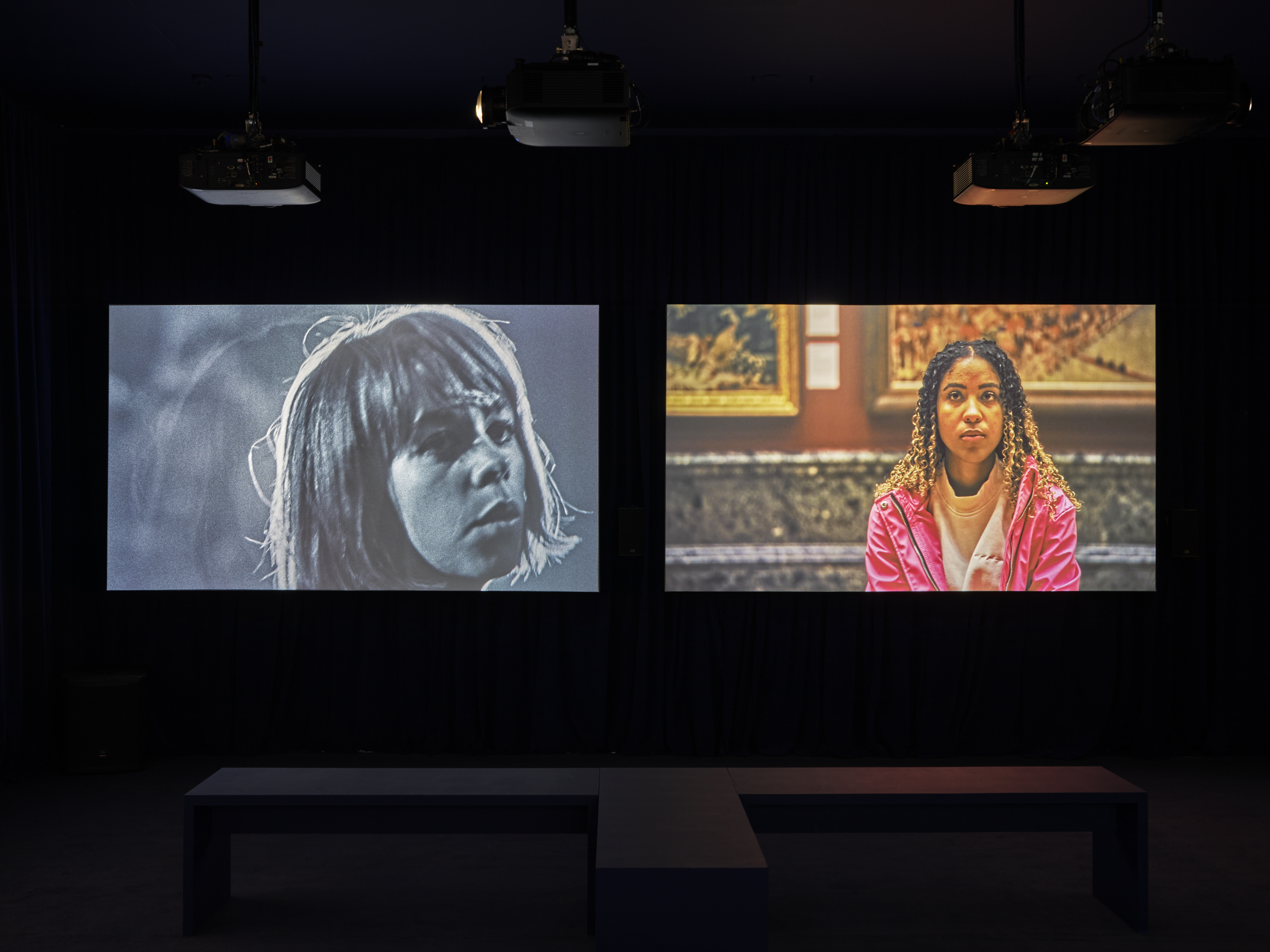 Exhibition view of ‘John Akomfrah: Canto VI’ at Lisson, Gallery New York, 12 February – 11 April 2026 © Smoking Dogs Films, Courtesy Smoking Dogs Films and Lisson Gallery.
By GRACE PALMER February 20, 2026
Embracing connectivity, John Akomfrah’s Canto VI is a masterful exploration of the diverse and the disparate, without “reducing everything to a kind of sameness.” Premiering in the US at the Lisson Gallery, New York, Akomfrah’s sixth canto from his multi-channel series, Listening All Night To The Rain, offers a filmic reassessment of the threads of colonial history often subsidiary to mainstream narratives. Weaving together archival footage of the Mau Mau rebellion in Kenya, with scenes from the 1947 Partition of India, and contemporary visuals, Akomfrah challenges narrative convention, prioritising marginalised and delegitimised voices. Sitting in the intimate space of the Lisson screening room, one enters an alternative historical flow, leaving as another strand in this sprawling channel of histories. I had the opportunity to speak with Akomfrah about the fallibility of knowledge, his advocacy for deep listening as a form of activism and the detrital aesthetic that characterises his latest work.
“But the caverns are less enchanting to the unskilled explorer / than the Urochs as shown on the postals / we will see those old roads again, question / possibly.” Ezra Pound’s rhythmic lyricism in The Cantos (1925) resonates throughout Akomfrah’s filmmaking. Pound’s song cycles drift, sigh, rise and fall, mirroring the ebb and flow of Canto VI's sonic pacing – shaped by Billy Holiday’s ‘Gloomy Sunday’, metronomic beats, and the cacophony of crawling bugs. What fascinates Akomfrah about Pound’s choric style is his ability to “pull in diverse and disparate ranges of themes and feelings, emotions and references.” As The Cantos journey from the 14th to the 18th Centuries, Canto VI charts its course from the 1940s to the 1970s. This expansive approach allows Akomfrah to refer to the variety of things, encapsulating something “more discursive, more elusive”. Everything, from the rubber ducks floating down the river to archival footage of Britain’s Women's Liberation Movement, is “connected, but not completely the same.” Akomfrah becomes the “unskilled explorer” of Pound’s poetry; a man dropping into, what he terms, “zones of engagement”, unveiling their poetry, aesthetics, religions, and locales - all in the rhythm of his canto.
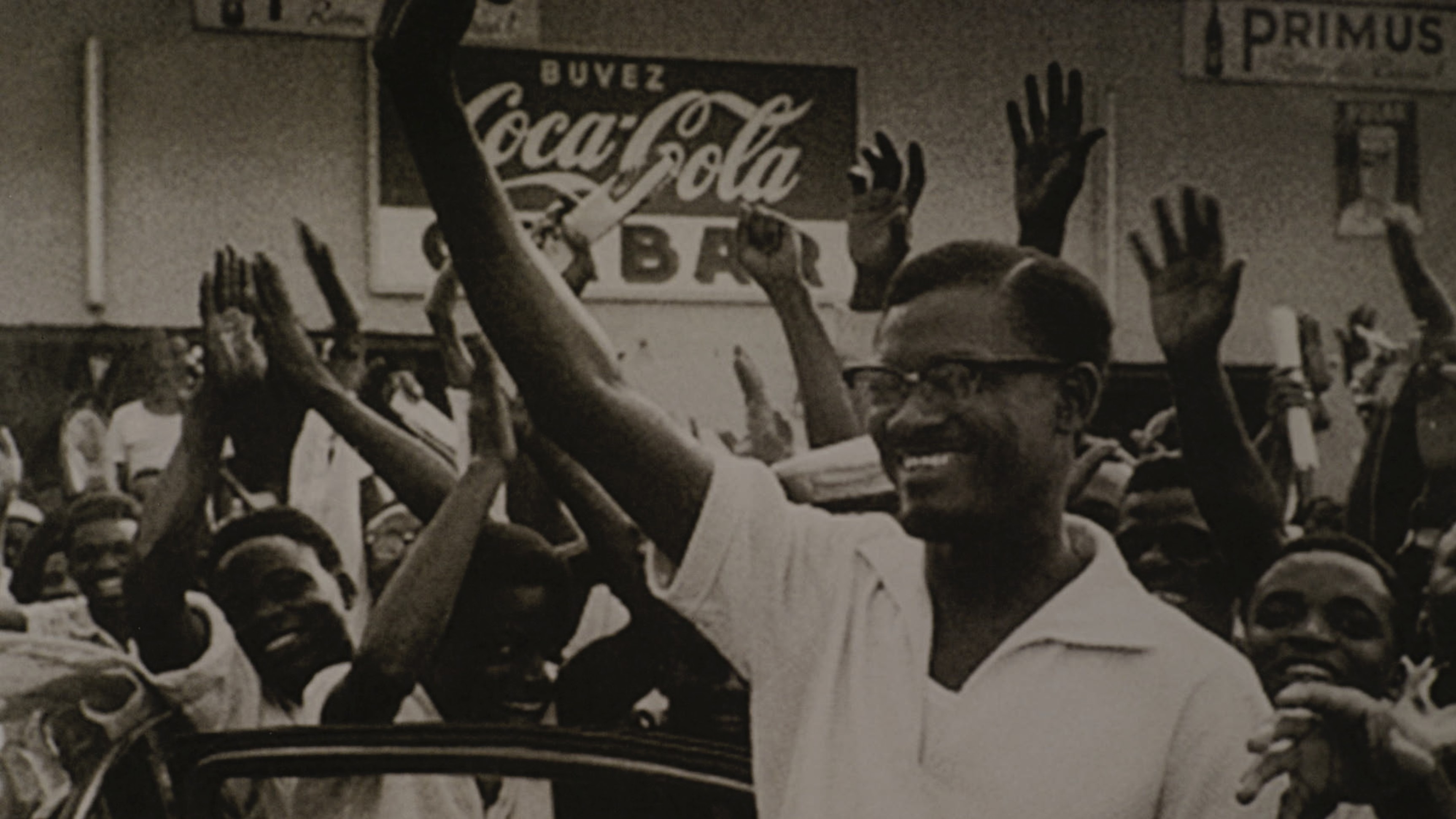 John Akomfrah, Listening All Night To The Rain (Canto VI), 2024. 8 channel HD video installation with surround sound, 30 minutes approximately. © Smoking Dogs Films, Courtesy Smoking Dogs Films and Lisson Gallery.
“Each project starts with one of the elements being the first port of call. That could be the sound or the archival pieces.” This interplay between the archival and the contemporary is central to Akomfrah’s filmmaking, facilitating the interwoven historical narratives. While images in Canto VI connect seamlessly, Akomfrah acknowledges that the choice of sounds, footage and settings is not always predetermined. His extensive catalogue of songs, documentary fragments and archival pieces thrives on “accidental encounters or these strange proximities that you have to chance.” Commissioned for the British Pavilion at the Venice Biennale 2024, Listening All Night to the Rain strikes this balance between clarity and serendipity. The film’s title is drawn from Su Dongpo’s 11th Century poetry, which meditates on the transience of life. Yet, for Akomfrah, this poem is “not so timeless” as it seems. As the figure listens to the rain and dreams of being elsewhere, you are transported to these assorted moments of his life, where “at some point, it becomes this circular thing” – leaving us unsure which came first: his room or the events outside it. Just as Akomfrah goes “as the poem suggests”, we too follow the suggestions of Canto VI, where every element has its own beginnings, unbound by simple binaries of new versus old, archival versus contemporary. Canto VI, like the rest of Akomfrah’s oeuvre, emerges from his guiding question: “How can I get the chaotic to join me in some adventure that has to be a little bit planned?”
Partha Mitter noted in ‘Decentring Modernism’ that non-Western stories are included in the canon only “on account of their compatibility with the avant-garde discourse in the West.” In Akomfrah’s work, this re-orientation away from periphery narratives is expressed through his detrital aesthetic. His art revolves around “taking accumulated debris, essentially waste, and trying to bring them into some sort of centre.” Archival footage of Congo’s independence from Belgian rule and Nigeria’s road to nationhood is not shown by Akomfrah to emphasise a marginal or peripheral story. Instead, through the lens of the diaspora in Britain, Canto VI positions these threads as tantamount to the central narrative. Akomfrah explains that “everything that’s been made marginal in the Eurocentric canon has been rendered debris”, but this does not mean they are absent. Their phantom presence persists despite being forgotten. By “incorporating the waste to some use”, he views himself as a trespasser, not a hooligan. He is unconcerned with usurping the Eurocentric canon. Rather, as the narratival trespasser, Akomfrah deliberately enters spaces where he does not belong, carrying the debris of neglected histories.
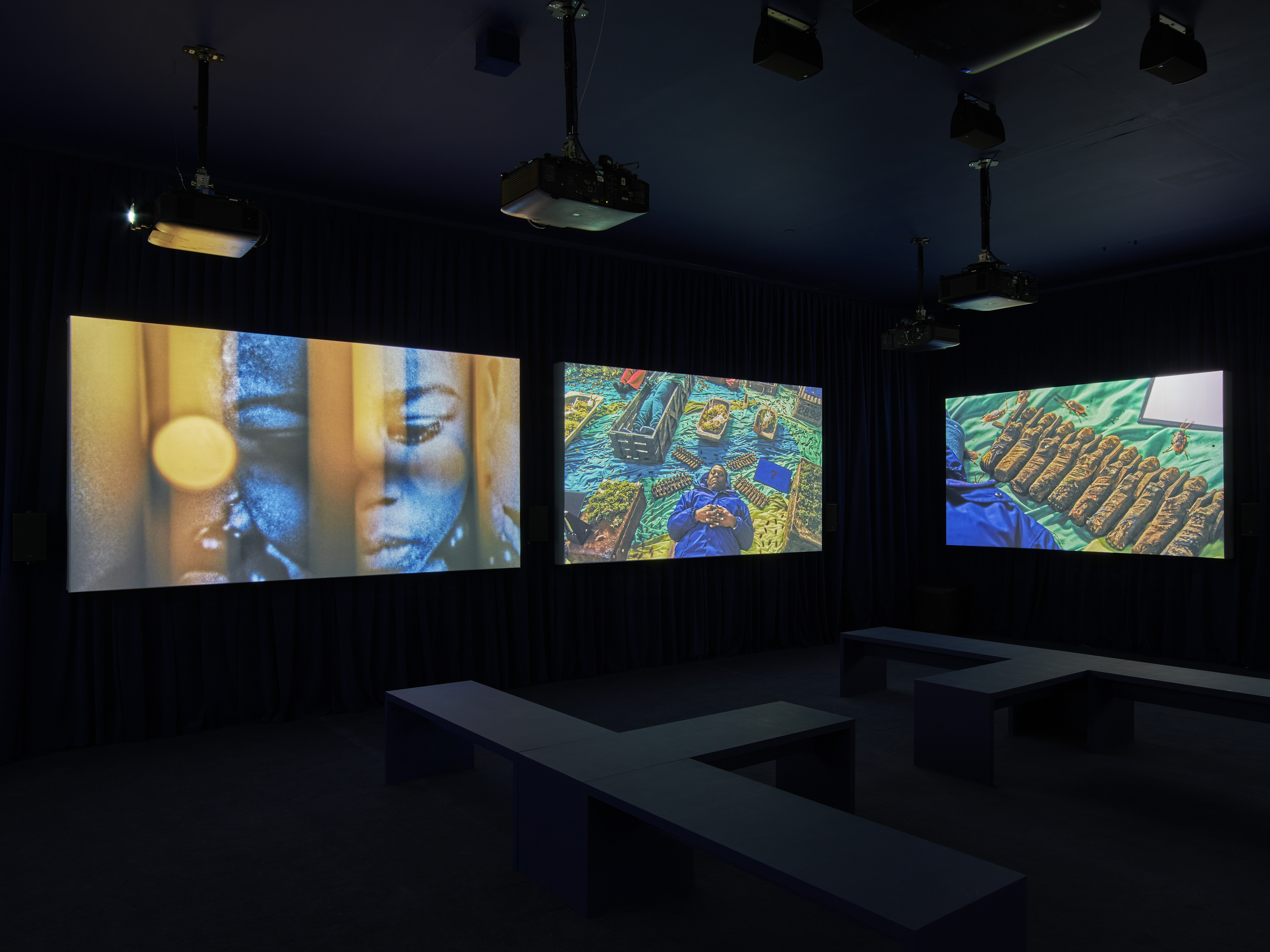 Exhibition view of ‘John Akomfrah: Canto VI’ at Lisson, Gallery New York, 12 February – 11 April 2026 © Smoking Dogs Films, Courtesy Smoking Dogs Films and Lisson Gallery.
Co-commissioned seven years ago by the Baltimore Museum and the Menil Collection, John Akomfrah: The Hour of the Dog, debuts alongside his exhibition at Lisson. Centred on the work of the Student Non-Violent Coordinating Committee (SNCC) during the 1960s Civil Rights Movement, The Hour of the Dog spotlights the young people at the forefront of these activist movements. For Akomfrah, youth involvement is “not something that remains an aside” but is deeply fundamental to the propulsion of these collectives. Like The Hour of the Dog, Canto VI highlights the essential role of the younger generation in independence revolutions. Documentary footage of young Kenyan and Congolese men carrying rifles and hordes of young feminist protestors is interspersed with surreal sequences, weaving their activism with utopian potentials. Reflecting on his own activist work, Akomfrah asserts that his participation with the Black Audio Film Collective in the 1980s was “perhaps the most important thing I have done.” Beyond investigating Black British identity and culture through filmmaking, he emphasises the power of collaboration: “Nothing”, he states, “particularly filmmaking, can be achieved alone.” It is not about surrendering individuality, but about being open to learning and listening, and embracing change and nuance. As all successful protest groups recognise, collective action is a balance between individuality and conviviality. Canto VI is the culmination of this interplay, both in Akomfrah’s collaborative filmmaking process and his willingness to incorporate diverse histories into his own experience.
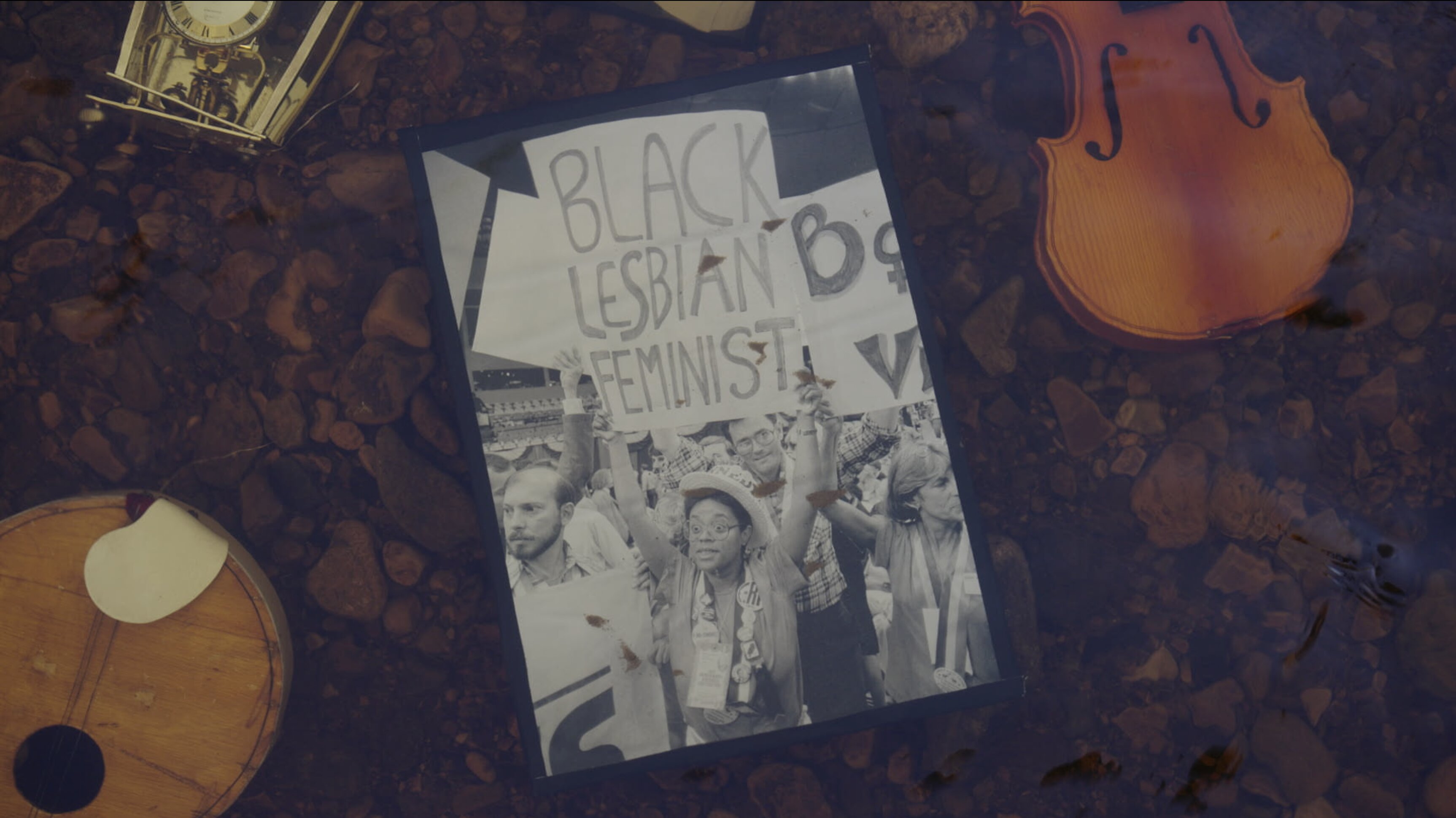 John Akomfrah, Listening All Night To The Rain (Canto VI), 2024. 8 channel HD video installation with surround sound, 30 minutes approximately. © Smoking Dogs Films, Courtesy Smoking Dogs Films and Lisson Gallery.
Akomfrah’s commitment to hear and understand is grounded in his conviction that deep listening constitutes radical activism. Referencing the pioneering work of Pauline Oliveros, Akomfrah argues that active listening extends beyond the sonic, shaping “our whole understanding of the world.” Just as Dongpo swept him along with poetry, or how Arvo Pärt’s compositions transformed his engagement with time and space, Akomfrah’s artistry succeeds by allowing his influences to “sprawl and develop of their own accord.” His films, subsequently, become “pedagogical in the loosest sense”, inviting audiences to listen and incorporate the ‘other’ into their lives, building understanding of perspectives different to their own. As he suggests, if one listens intently to the narratives of Canto VI, one can listen to the world. This capacity for learning through listening marked a pivotal moment in Akomfrah’s youth. Reflecting on his O-Levels, he recalls reading Susan Brownmiller’s Against Our Will and was struck by her critique of Eldridge Cleaver – a man he previously lauded. Brownmiller’s assertion that Cleaver, in his violence against women, was acting within the “white man’s property code”, challenged Akomfrah’s perception of the Black Panther leader. Exposing the fallibility of knowledge, this moment reshaped his assumptions about narratival authority. Just as he integrates diverse detritus narratives into Canto VI, Akomfrah urges us to continually reassess our accepted truths. For him, “using the new to learn from the old” and listening deeply to one another is itself a radical activism.
Paraphrasing bell hooks, Akomfrah embodies the “struggle of memory against forgetting”, the very act of challenging the aberrational depiction of anti-colonial histories, whilst reshaping collective memory. Having explored a breadth of overlooked histories excluded from the Western canon, Akomfrah now enters a phase of nostalgic reflection, “returning to the things I’ve done before.” Ever receptive to new influences and ideas, he finds these pursuits increasingly urgent in a climate marked by right-wing dogmatism. Akomfrah is the antithesis of contemporary political ideologies rooted in rugged individualism and prejudice. Instead, Canto VI champions diversity, history and activism – a radical embrace of the ‘other’. Akomfrah is Pound’s “unskilled explorer”: an active listener, a narrative trespasser and one of the most forward-thinking film artists of our time.
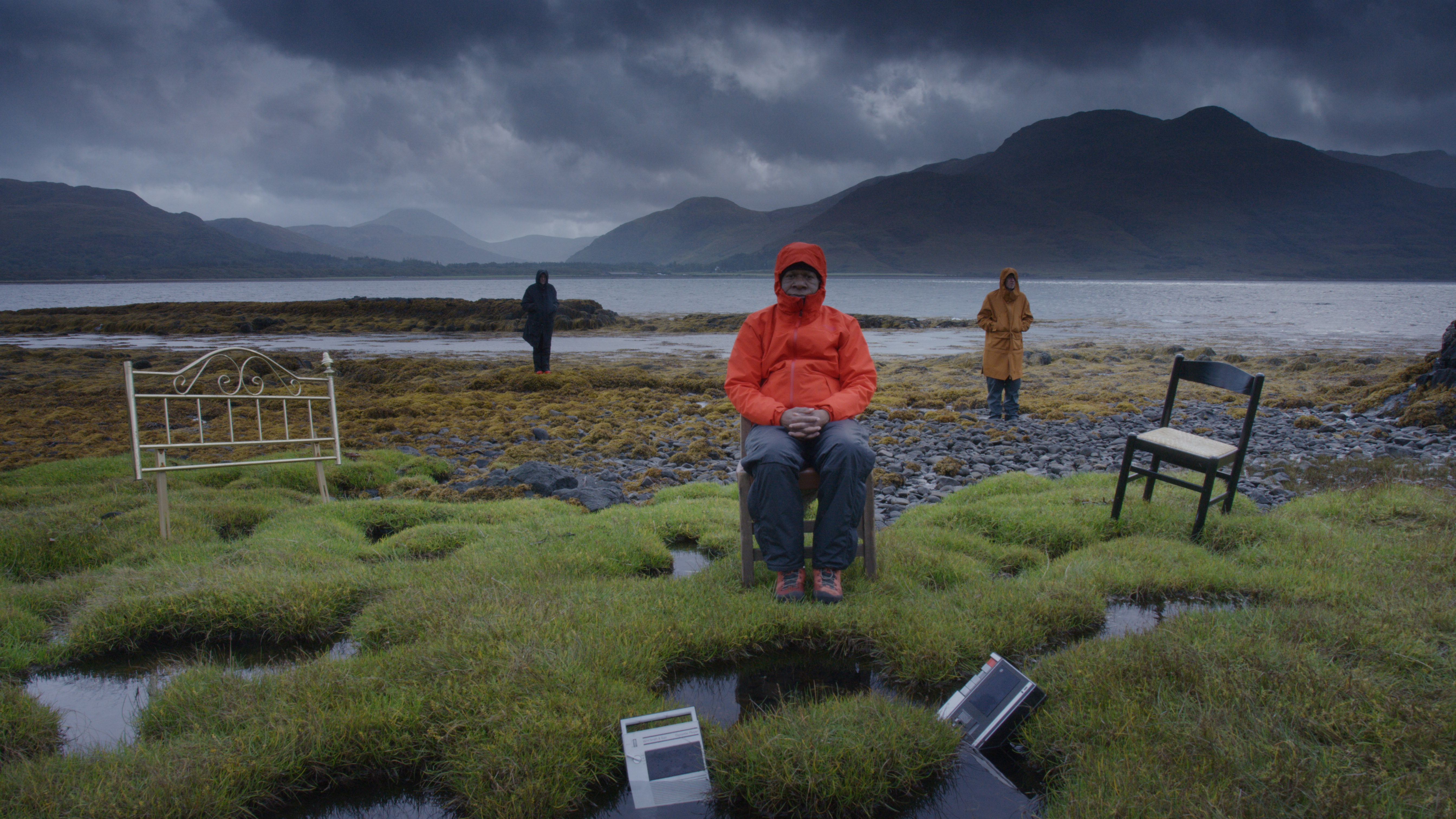 John Akomfrah. Listening All Night To The Rain (Canto VI), 2024 (still) Commissioned by the British Council for the 60th International Art Exhibition – La Biennale di Venezia, 2024. © John Akomfrah; Courtesy Smoking Dogs Films and Lisson Gallery.
My thanks go to John Akomfrah for his insightful discussion and for taking the time to reflect on his current exhibition. I would also like to share my appreciation for Victoria Mitchell and Mara Gans from the Lisson Gallery for making this all possible.
‘John Akomfrah: Listening All Night To The Rain’ runs between February 11 and April 26, 2026, at the Lisson Gallery, New York. WM

Grace Palmer
Grace Palmer, an art historian and writer, specializes in the history of contemporary art and 1960s New York performance art. She contributes to Whitehot Magazine and is currently located in London, England.
view all articles from this author