Whitehot Magazine
September 2026
"The Best Art In The World"
"The Best Art In The World"
September 2026
Curation is a humble practice: An Interview with Xiao Liu
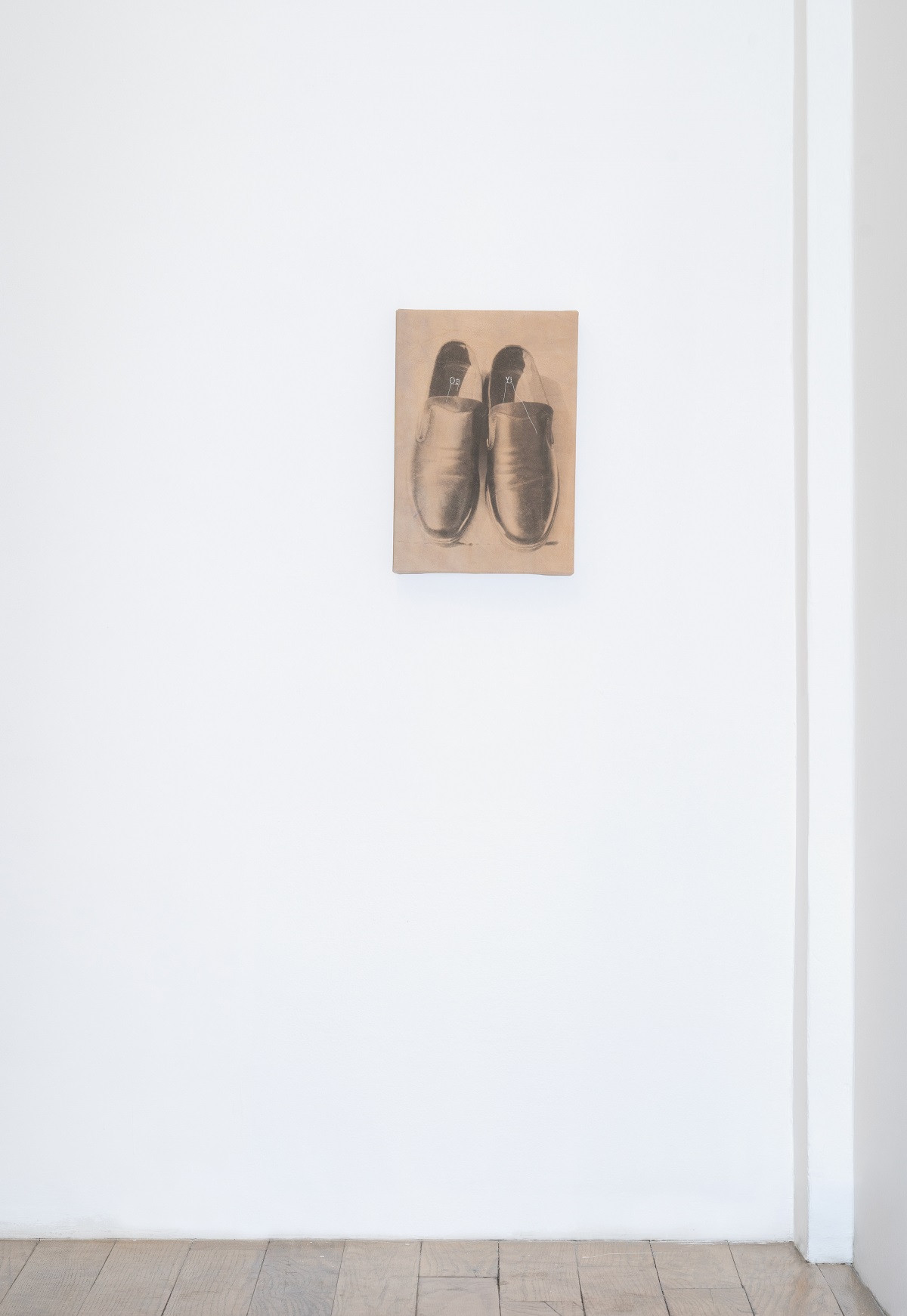 Caged by the Brightest Night, Installation View
By NOAH BECKER July 29th, 2026
Your exhibitions often seem to resist conventional themes in favor of open-ended questions. How would you describe your curatorial philosophy?
The word curate comes from the Latin curare, meaning "to care." I have always loved this understanding of the role. To me, curatorial practice means caring about what other people care about: what an artist is trying to understand, what an artwork needs, and what an audience might encounter through it.
In that sense, curation is a humble practice. It means creating a structure that is minimal but effective, while leaving as much room as possible for the artist, the artwork, and the audience to communicate with one another.
When an exhibition is organized too rigidly around a fixed theme, it can tell viewers what to find before they have looked. The artworks then risk becoming instruments used to illustrate a curatorial argument, rather than allowing the argument to emerge from the works. I do not think there is much care in that approach.
In practical terms, an exhibition should bring out what is already present in the work. My responsibility is to shape a context that respects the artist's intentions without closing the experience for the audience. My curatorial practice is therefore largely a practice of restraint: I work with the artist and the artwork, establish the conditions, and then try to get out of the way.
If a visitor leaves with a question they did not arrive with, I think the exhibition has done its work.
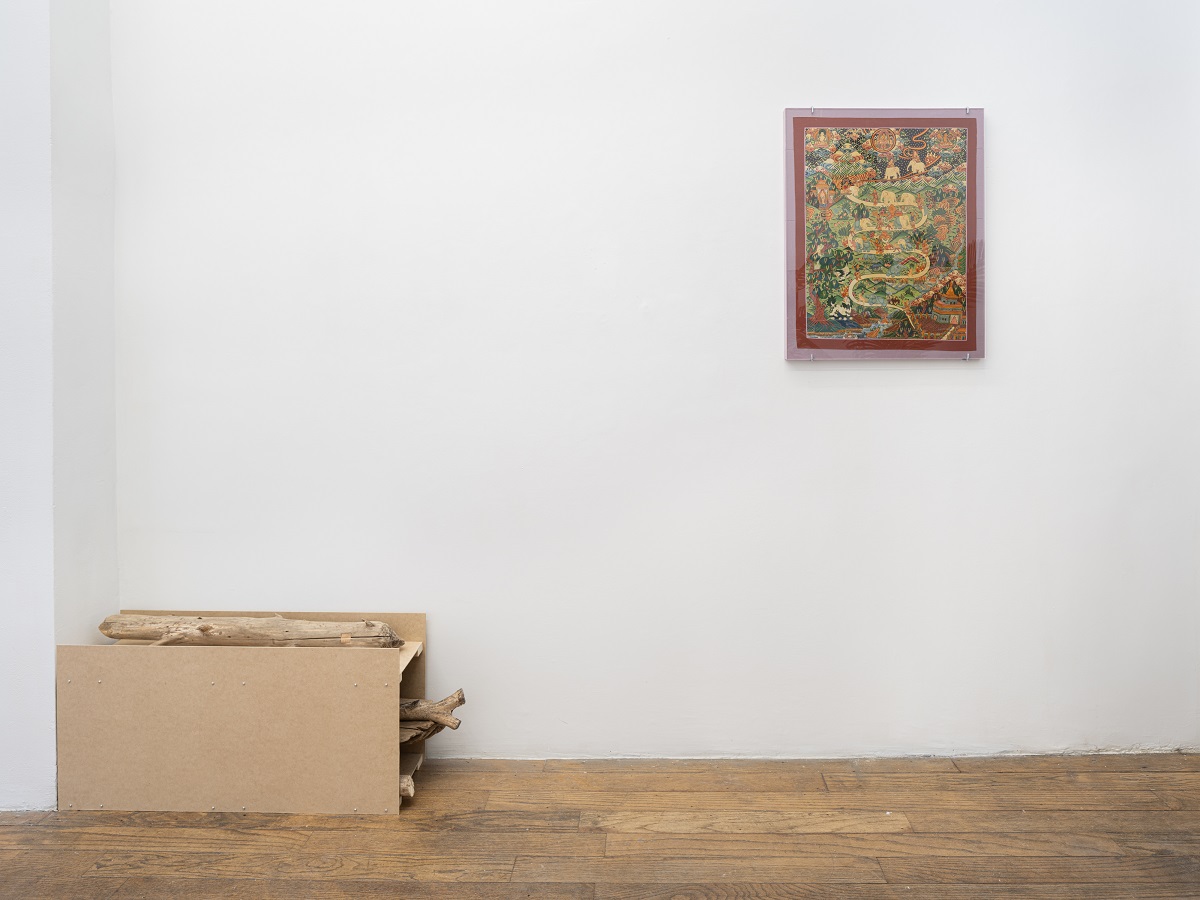 For Lack of a Better Word, Installation view, 2026
In For Lack of a Better Word, you draw on ideas such as tathata and ziran - "as it is." What attracted you to these concepts, and how do they shape the exhibition?
There are several reasons. My family background and my personal interest in Buddhist teachings have both shaped my sensibility. If I had to describe it through an image, I would imagine a boat floating on a river. The boat moves with the current, but it also remains stable in itself. Even when the river becomes wild and unpredictable, the boat remains what it is meant to be - no more and no less.
This attitude has become increasingly meaningful to me as the world grows more unstable and we anticipate further political and social turbulence. The title For Lack of a Better Word admits a kind of failure: the failure of language, but also the failure of a society increasingly organized around achievement.
We are constantly encouraged to improve, produce, compete, and exploit ourselves in pursuit of an illusory form of total freedom. Tathata and ziran suggest an attitude opposed to this demand. They allow for the possibility that something does not always need to become more productive, optimized, or complete in order to have value.
Both concepts also point toward what exists before and beneath language: the world as it is, rather than only as we describe it. I was drawn to them because they are not concepts that can simply be illustrated. They remind us that concepts eventually run out.
The exhibition gathered works that remain close to that limit, where language almost arrives but never fully contains the experience. Tathata and ziran did not give the exhibition a fixed form. Instead, they prevented it from settling too easily into one. They functioned less as a framework than as a discipline.
Whenever the exhibition threatened to become too clearly "about" something, they pulled it back toward the condition of simply being.
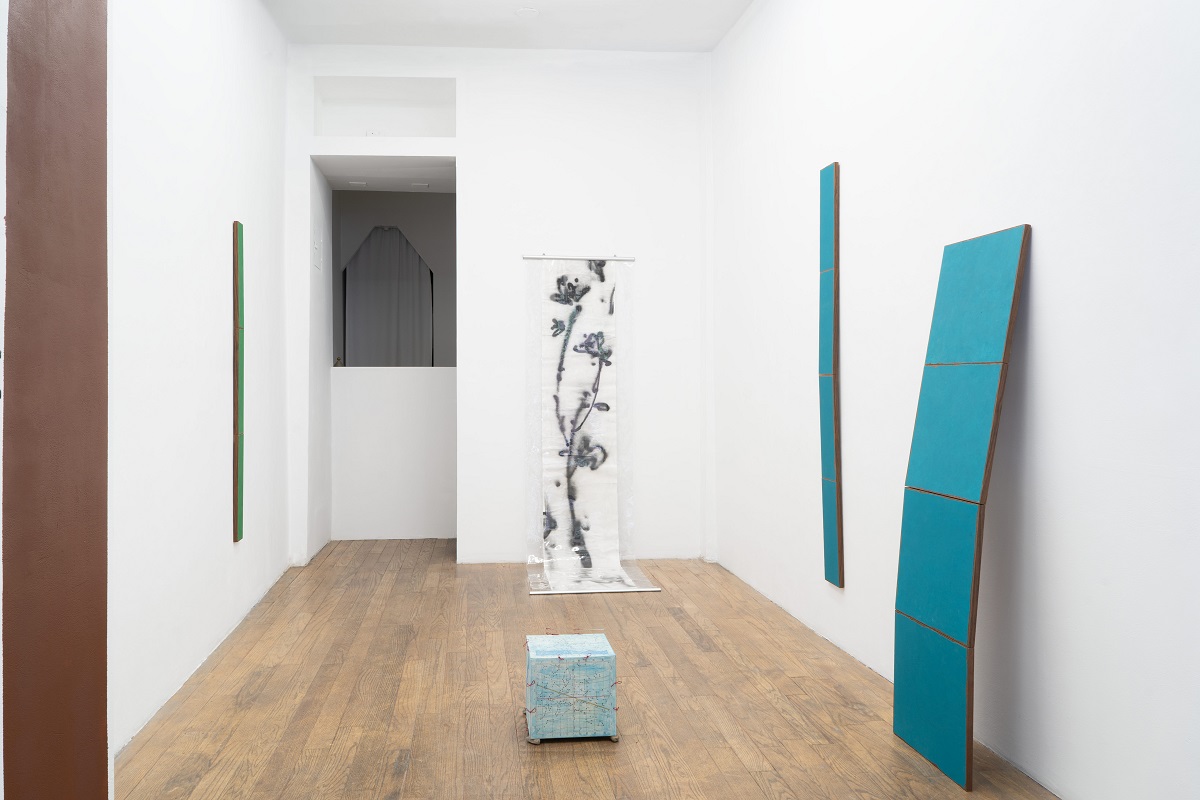 Heaven Earth Human, installation view, 2026
Many of the artists you work with emphasize process, duration, and observation rather than spectacle. What draws you to these kinds of practices?
Spectacle often arrives all at once. It can feel complete the moment it is seen, leaving very little space for the viewer's attention to develop over time.
Time is one of the most magical elements of artmaking, but it has also become one of the greatest luxuries. Our attention is constantly being captured by images designed to be immediate, impressive, and easily consumed. In that environment, patience and sustained observation become increasingly rare.
I am drawn to artists for whom making is not simply a means of producing an image or object, but a form of attention in itself: repeating, observing, waiting, and enduring. Their processes are not separate from the meaning of the work.
These practices do not immediately perform for the viewer. Instead, they invite the viewer into their own tempo. I think that invitation is rare now, and it is worth protecting a room for.
Your exhibitions bring together contemporary artists alongside historical or anonymous works, such as Tibetan medical thangkas. What interests you about placing these different visual traditions in dialogue?
The thangkas were created outside the category of contemporary art as we commonly understand it. Many were produced anonymously through systems of function and devotion: to teach, to heal, to preserve knowledge, and to support spiritual or medical practices.
At the same time, thangkas are not confined to a sealed historical past. They continue to be produced in workshops and ateliers today, whether for religious use, decoration, tourism, or the market. In that sense, they are as contemporary as anything else.
Placing them beside contemporary artworks allows the thangkas to be encountered as more than ethnographic objects. It also reminds contemporary art that image-making has always been a technology of attention - something older and larger than the market, the institution, or the idea of the individual author.
Categories such as contemporary art, modern art, religious art, or ethnographic object are useful for describing, archiving, and studying things. But in the actual experience of art, I am not sure those divisions matter as much as we often assume. They are historical constructions, and they can become ideological when they determine in advance how an object is supposed to be seen.
I am more interested in continuity. Across different centuries and visual traditions, people have made images to help other people see, understand, remember, and orient themselves.
Of course, continuity does not mean equivalence. The historical, cultural, religious, and social differences between these objects remain essential. I am interested in creating a dialogue that can acknowledge those differences while also questioning the hierarchy through which one object is classified as art and another as ethnographic, pedagogical, devotional, decorative, or functional.
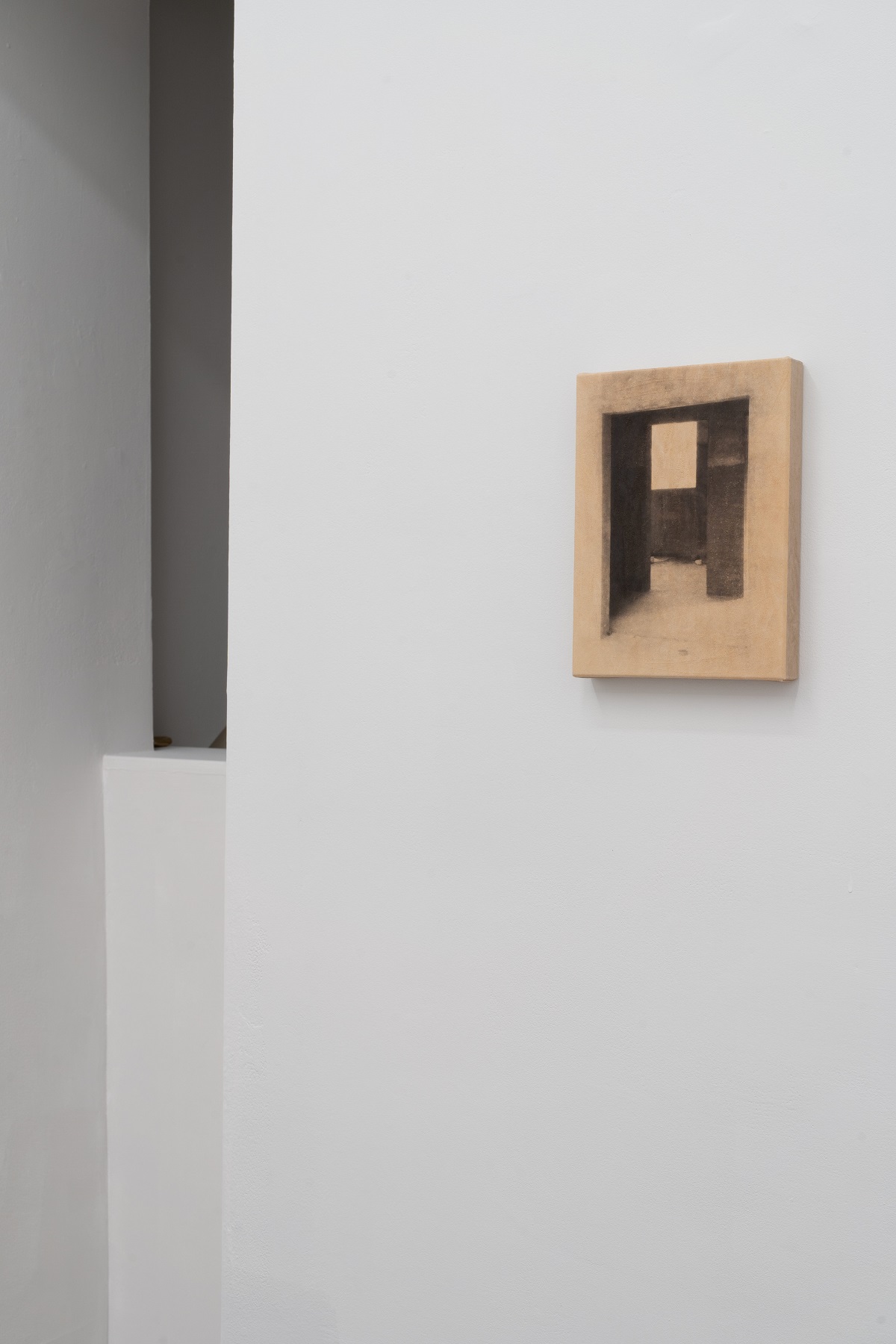 Caged by the Brightest Night, installation view, 2026
The exhibitions you have curated at TaThaTa seem to slow the viewer down, encouraging sustained attention. Is creating that experience a conscious curatorial goal?
Yes - perhaps it is the most conscious one, although it is also informed by the space itself.
TaThaTa is small. It limits the size and number of artworks we can present, as well as the kinds of installations artists can produce. But the same scale also makes the space intimate and welcoming. That is part of its character. It naturally favors works that ask viewers to stay, look closely, and spend time inside.
I also think an exhibition should do much more than display a collection of artworks. To be honest, an exhibition is a very expensive and inefficient way of showing images to the greatest possible number of people. If display were the only goal, there would be much easier ways to accomplish it.
An exhibition should create an experience that cannot be fully reproduced elsewhere. I think of the gallery as a pause built into the street. Much of what surrounds us is designed to accelerate looking. Images appear quickly and disappear just as quickly. A gallery can be one of the few rooms deliberately organized around a different relationship to time.
If one person stands in front of a single work for ten minutes, that may be more meaningful to me than a hundred people passing quickly through the gallery in one afternoon.
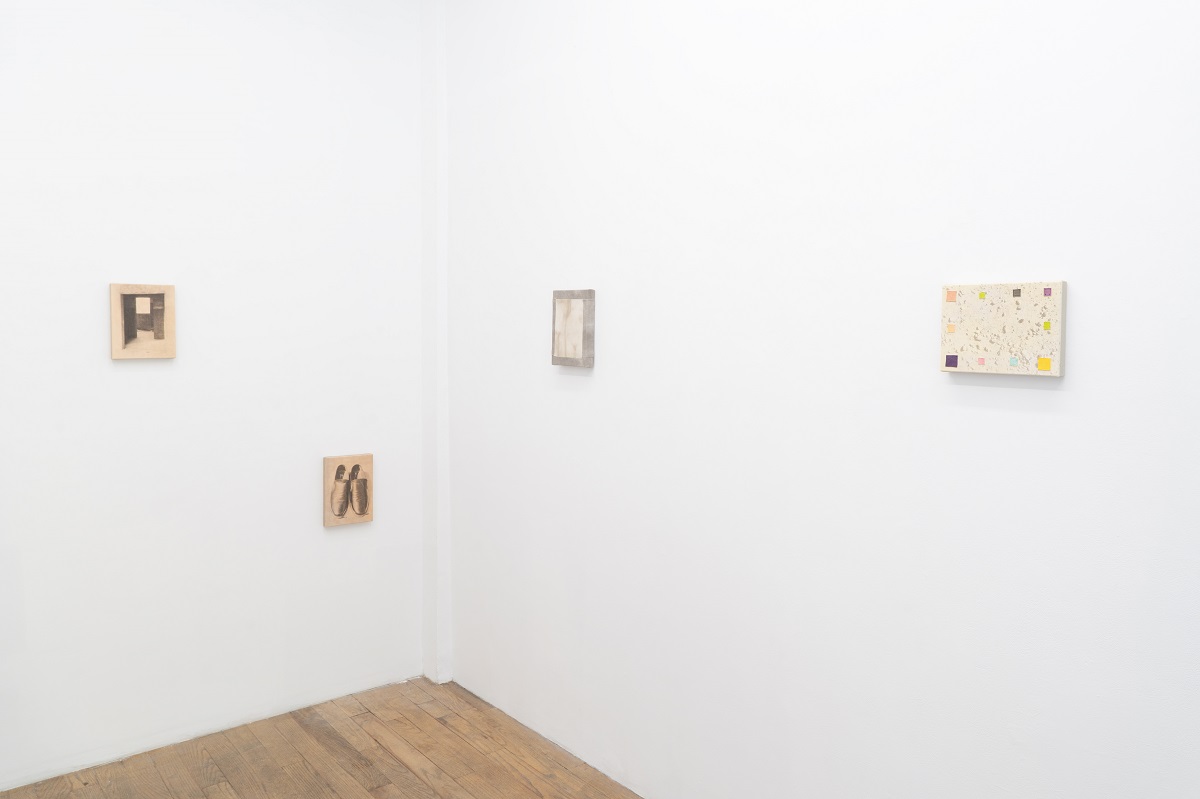 Caged by the Brightest Night, installation view, 2026
How do you approach working with artists? Do your exhibitions emerge through long conversations with them, or do you begin with a conceptual framework that develops over time?
I would say both happen simultaneously.
Sometimes I begin with a conceptual framework that I genuinely want to develop. At other times, the idea exists only vaguely in my mind, perhaps as a title, an image, or a feeling.
Although I want the exhibitions themselves to feel unhurried, they sometimes come together very quickly. There is something mysterious about the way a project can suddenly move when the artists involved have already been thinking in related directions. Each person may have lived with a question for years before the exhibition exists. When the opportunity finally appears, the project can develop through a very natural flow.
I am also not sure that "long conversation" is the most accurate phrase. How long does a conversation need to be before it is considered long? I prefer the idea of a prolonged conversation. It can continue through studio visits, messages, installation decisions, writing, and the experience of the exhibition itself.
I try to listen for the question the artist is already living with. The exhibition grows from that listening. Sometimes the curatorial concept is simply the name we give afterward to something that was already happening through the artworks and our conversations.
This is also why TaThaTa publishes written interviews with artists. Conversation is not merely preparation for the work of the gallery. It is part of the work itself, prolonged in another form.
Listening, however, does not mean that the curator becomes passive. I still make decisions about selection, installation, pacing, and context. But I want those decisions to emerge through engagement with the artist's practice rather than forcing the work into a predetermined thesis.
In Caged by the Brightest Night, you describe seeing as a kind of practice rather than a reflex. How do you think contemporary audiences can relearn the act of looking?
Anyone with serious training in painting, drawing, or photography would probably agree that seeing is a practice. The world is very generous - it is already there - but what we perceive depends on what we have trained or chosen ourselves to notice.
This idea also came directly from Chenchi Li's way of working. His images begin in movement. He travels constantly, documenting moments connected to particular times and places, but the images themselves arrive slowly.
A photograph is manipulated, etched onto a plate, pressed into velvet, cut, and stitched into a larger field. Each stage interrupts the image a little more. What might initially function as a window becomes more like a membrane. The eye can no longer pass directly through the image toward what it represents. It has to remain with the surface.
I am not sure the problem is simply that contemporary audiences have forgotten how to look. The larger problem may be that one increasingly homogeneous form of looking has come to dominate: skimming, scrolling, and immediately moving on to the next image.
If there is a way to relearn looking, it may begin by stretching time - by extending the act of looking itself. When we remain with something, meanings and images begin to emerge that were not present in the first moment.
The work does not need to instruct the viewer. It can simply withhold enough that staying becomes a natural response. What gathers through that duration is attention, return, and the understanding that the first encounter is not necessarily a complete one.
Chenchi Li speaks about the sacredness of seeing, and I take him at his word. Attention, when given time, can become a form of reverence.
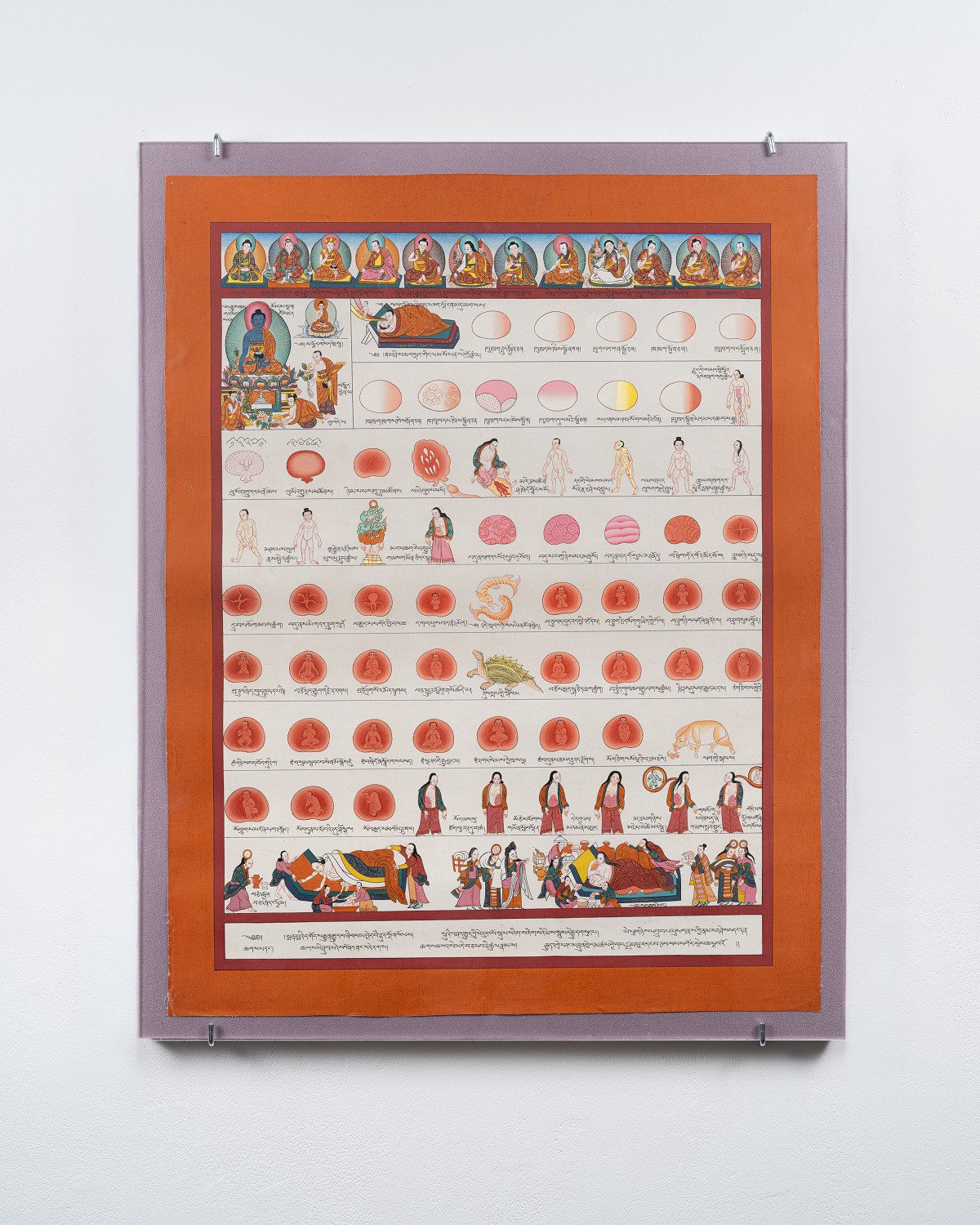 For Lack of a Better Word, Installation view, 2026
Counting Leaves transforms a simple act into a meditation on time, repetition, and knowledge. What drew you to presenting this durational performance?
It came very naturally.
When I first saw Motohiro Takeda's Counting Leaves, I immediately felt that its durational quality closely resembled the kind of experience I wanted to create at TaThaTa. I also have a personal connection to the ginkgo tree, so the work resonated with me on that level as well.
The action itself is extremely simple, but it produces a very particular relationship to time. A durational performance does something that an object cannot do in quite the same way: it makes time visible in the room.
Visitors do not arrive only to see a completed result. They keep company with a process. They enter at one moment, leave at another, and become aware that the work continues beyond their individual experience of it.
The counting also changes the status of each leaf. It is no longer simply part of an undifferentiated pile. For a brief moment, it is handled, recognized, and attended to.
For a space devoted to suchness, I can think of no truer subject than a leaf being counted.
TaThaTa is still a relatively new gallery. How has the opportunity to shape its identity influenced your approach as a curator?
This is an interesting question because the concerns that occupy me extend beyond curatorial practice alone.
As I mentioned earlier, curation, to me, is a form of care. It means caring about what other people care about: the artists, the artworks, the audience, and everyone who participates in making the space possible.
As TaThaTa develops its identity, I have realized that shaping the gallery is also helping me understand what I care about and what kind of curator I want to become. The process moves in both directions. I am shaping the space, but the space is also shaping me.
A young gallery can declare an identity, or it can gradually earn one. I would rather TaThaTa's identity be earned exhibition by exhibition, until a pattern becomes visible on its own. The more time I spend in the space - with different exhibitions, artists, and visitors - the clearer that pattern becomes.
Running much of the gallery myself means that every decision, from the artworks and lighting to the checklist and wording of an email, contributes to the same institutional voice. These choices may appear small, but together they reveal a set of values. By making them repeatedly, I am also gradually constructing my own identity.
At the same time, being new provides freedom. There is no inherited program and no established identity that I must preserve. TaThaTa and I are developing together through practice.
I hope the gallery's identity will emerge less as a brand than as a temperament: quiet, patient, attentive, and precise. The most honest way to shape that identity is to keep practicing those qualities and allow the meaning of the space to become clearer over time.
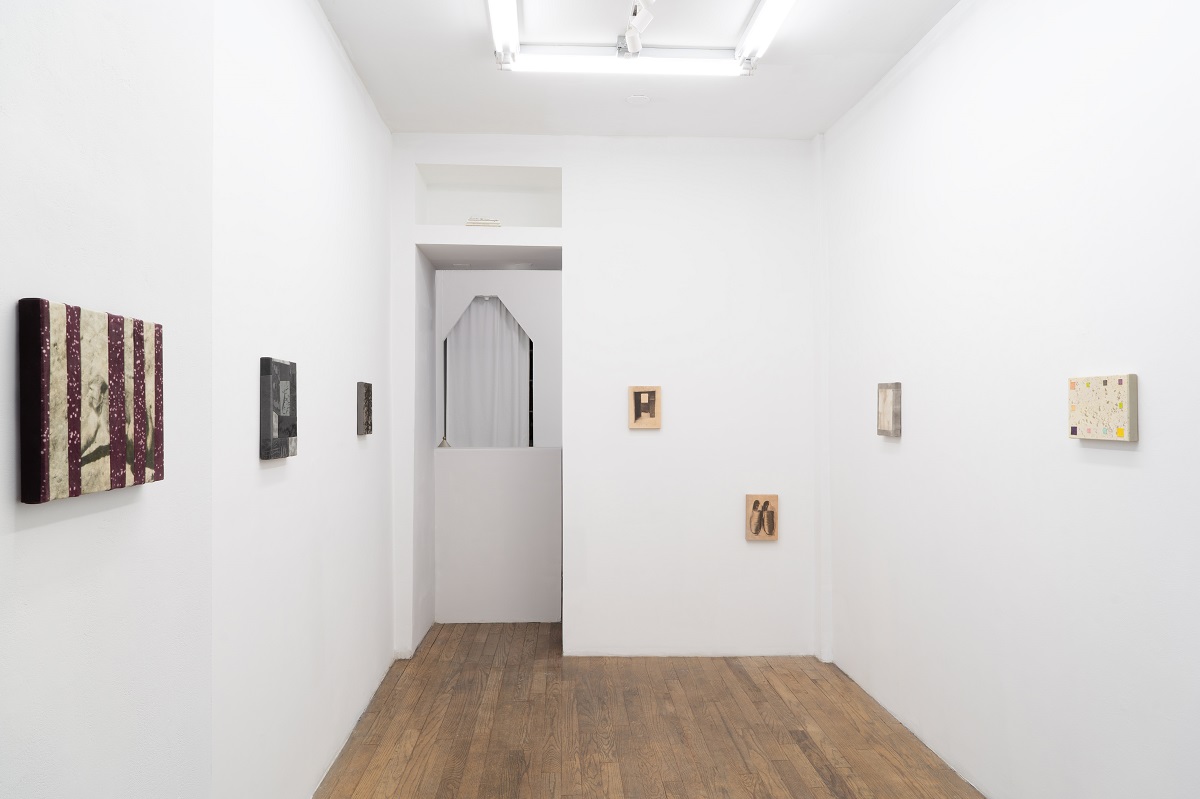 Caged by the Brightest Night, installation view, 2026
Looking across your recent exhibitions, what ideas or questions continue to occupy you, and where do you see your curatorial practice heading next?
The same questions continue to return, although they appear in different forms: what language cannot hold, what seeing requires from us, and what becomes possible when we experience time without immediately trying to measure or spend it.
I am less interested in expanding the gallery's program as quickly as possible than in deepening these questions. The scale of the space asks for that, and so does my own temperament.
The interview series will continue because prolonged conversations with artists feel as central to the gallery's practice as the exhibitions themselves. I am also becoming increasingly interested in questions of memory and displacement, particularly how images carry what people and places have lost.
These concerns may shape future exhibitions, but I try not to plan too far ahead of the work. I want to remain open to encounters that may shift the direction of the program.
The next exhibition, like the last, will probably begin with a conversation.
Xiao Liu is a curator based in New York, where he leads the curatorial program at TaThaTa, a gallery of contemporary and Buddhist art on Henry Street. His exhibitions there - including Caged by the Brightest Night, For Lack of a Better Word, Heaven Earth Human, and Counting Leaves - foreground duration, attention, and the dialogue between contemporary practice and historical and devotional traditions such as Tibetan thangka painting. He has also organized thangka exhibitions in Tibet and contributed to the artist Gade's first retrospective there (2025). TaThaTa's ongoing series of published interviews with artists, which he conducts, extends his curatorial practice into sustained conversation.

Noah Becker
Noah Becker is an artist and the publisher and founding editor of Whitehot Magazine. He shows his paintings internationally at museums and galleries. Becker also plays jazz saxophone. Becker's writing has appeared in The Guardian, VICE, Garage, Art in America, Interview Magazine, Canadian Art and the Huffington Post. He has written texts for major artist monographs published by Rizzoli and Hatje Cantz. Becker directed the New York art documentary New York is Now (2010). Becker's new album of original music "Mode For Noah" was released in 2023.
Becker's 386 page hardcover book "20 Years of Noah Becker's Whitehot Magazine of Contemporary Art" drops Aug 8, 2025 globally on Anthem Press.
Noah Becker on Instagram / Noah Becker Paintings / Noah Becker Music / Email: noah@whitehotmagazine.com
view all articles from this author