Whitehot Magazine
October 2026
"The Best Art In The World"
"The Best Art In The World"
October 2026
Adam Krueger on Teaching Tattooing at RISD
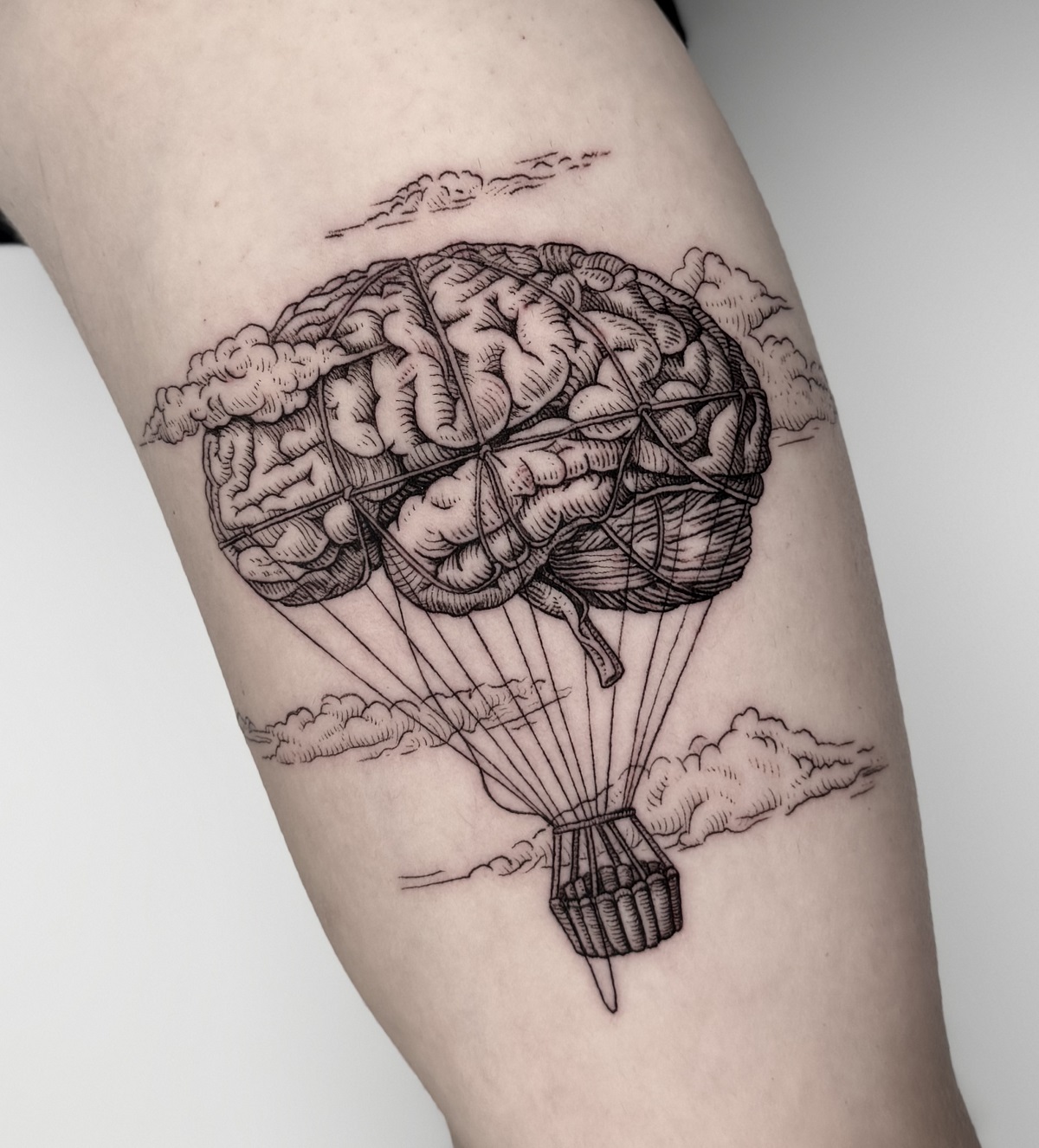 Tattoo by Professor Krueger - @krueger.ink
By NOAH BECKER May 4th, 2026
What inspired you to introduce tattooing into an academic setting at Rhode Island School of Design, and why now?
Returning to RISD in this role felt deeply full-circle. I had actually proposed the idea for a tattoo course back in 2018, but the seed was planted long before that. Over the past decade, I’ve watched tattooing gain increasing recognition as a legitimate contemporary art practice, and now feels like exactly the right moment to help bridge that gap. RISD has always been about pushing boundaries, so it felt like the ideal place to begin this conversation. For me, this isn’t about institutionalizing tattooing-it’s about creating space for deeper study, informed practice, and a broader cultural understanding of the medium.
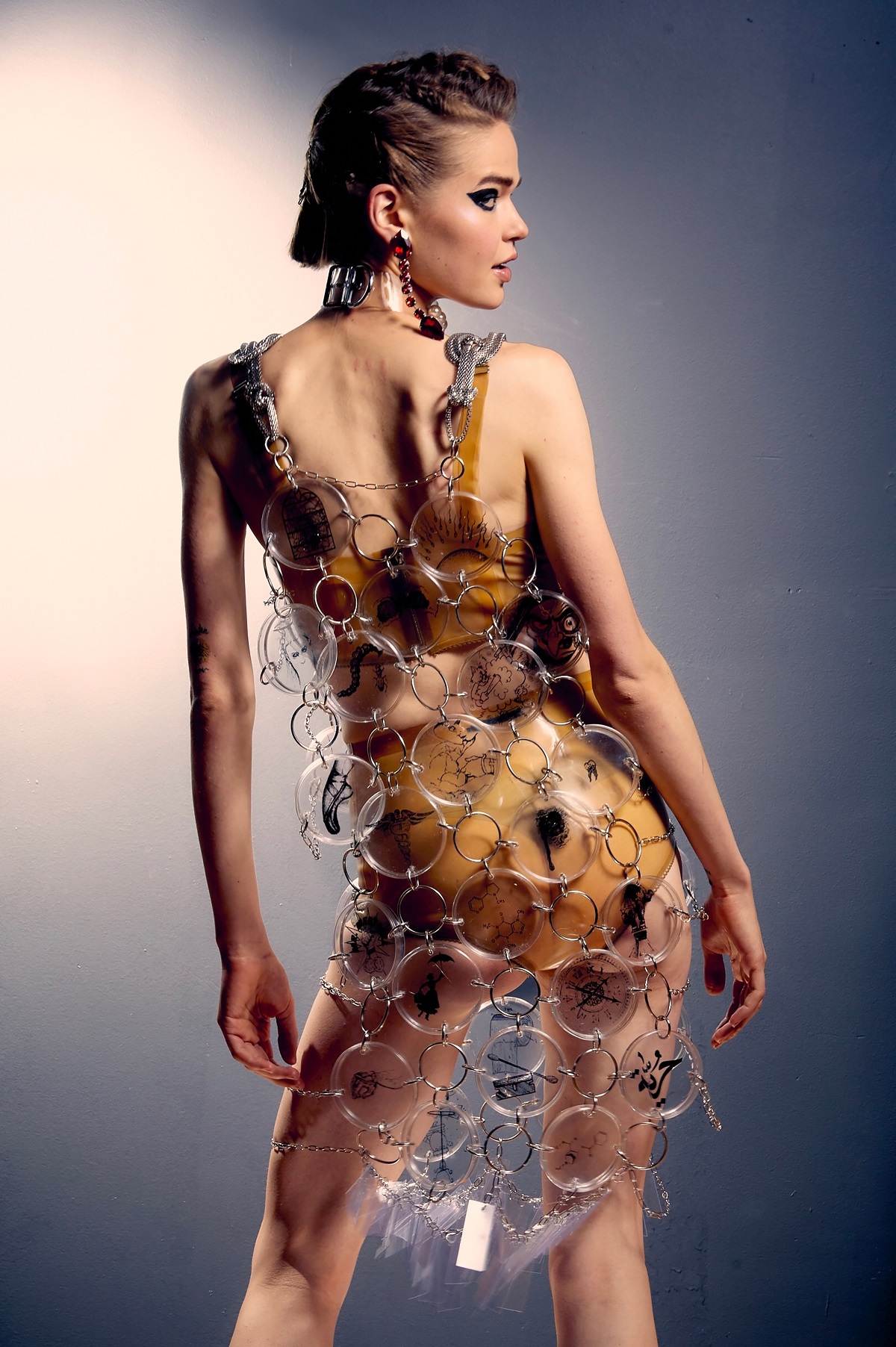 "Petri Dress" by Adam Krueger and Tableaux Vivants, model- Jess Fuhrmann, Photo - Tim O'Malley
How do you balance preserving tattooing’s deeply rooted traditions while positioning it alongside disciplines like drawing and painting?
It starts with respect. Tattooing, like painting or sculpture, is grounded in fundamental principles-line, form, balance, and composition, but it also carries a rich cultural and historical lineage that must be honored. In the course, we emphasize both: students study global traditions and histories while also engaging with the same formal and conceptual frameworks taught in other disciplines. The goal is not to separate tattooing from fine art, but to show how naturally it belongs within that conversation.
Your course emphasizes respect for tattooing’s cultural history-what are some of the most important global traditions or lineages students need to understand?
We begin by looking at tattooing as a global, historical practice. That includes ancient and ceremonial traditions from places like Polynesia and ancient Egypt, as well as the evolution of Western tattooing-from sailors’ traditions to the contemporary global movement we see today. It’s important for students to understand that tattooing carries different meanings depending on cultural context - spiritual, social, aesthetic - and all of those dimensions deserve careful study.
 "Take Out, Stay Home , Lockdown" silicone mask by Adam Krueger and Tableaux Vivants. Performance at The National Arts Club "Dali Ball"
Tattooing involves permanence and intimacy in a way few other art forms do-what do you teach students about approaching that responsibility?
Above all: never approach a tattoo casually. Tattooing is permanent, deeply personal, and built on trust. You’re not just making an image-you’re altering someone’s body and becoming part of their life story. That requires humility, patience, and integrity. I stress that every line matters, and that the responsibility to the client is as important as the technical execution. Respect for the medium and for the person receiving the work is foundational.
What were the biggest challenges in legitimizing tattooing within an academic institution, and how were they overcome?
One of the biggest challenges is the lingering perception of tattooing as separate from, or somehow lesser than-fine art. Those ideas are changing, but they still exist. What helped was demonstrating that tattooing already operates similarly as other disciplines: it requires technical mastery, historical knowledge, and conceptual thinking. RISD taking that initial leap was significant, and I think it opens the door for other institutions to follow.
The course focuses on foundational skills rather than producing fully formed tattoo artists-what do you see as the ideal path from classroom to apprenticeship?
Apprenticeships remain essential-they’re the backbone of how tattooing has been passed down for generations. This course doesn’t replace that model; it prepares students for it. By the time they leave, they’re not tattoo artists yet, but they have a strong foundation in history, technique, safety, and ethics. That allows them to enter an apprenticeship with a deeper respect for the craft and a clearer understanding of its responsibilities.
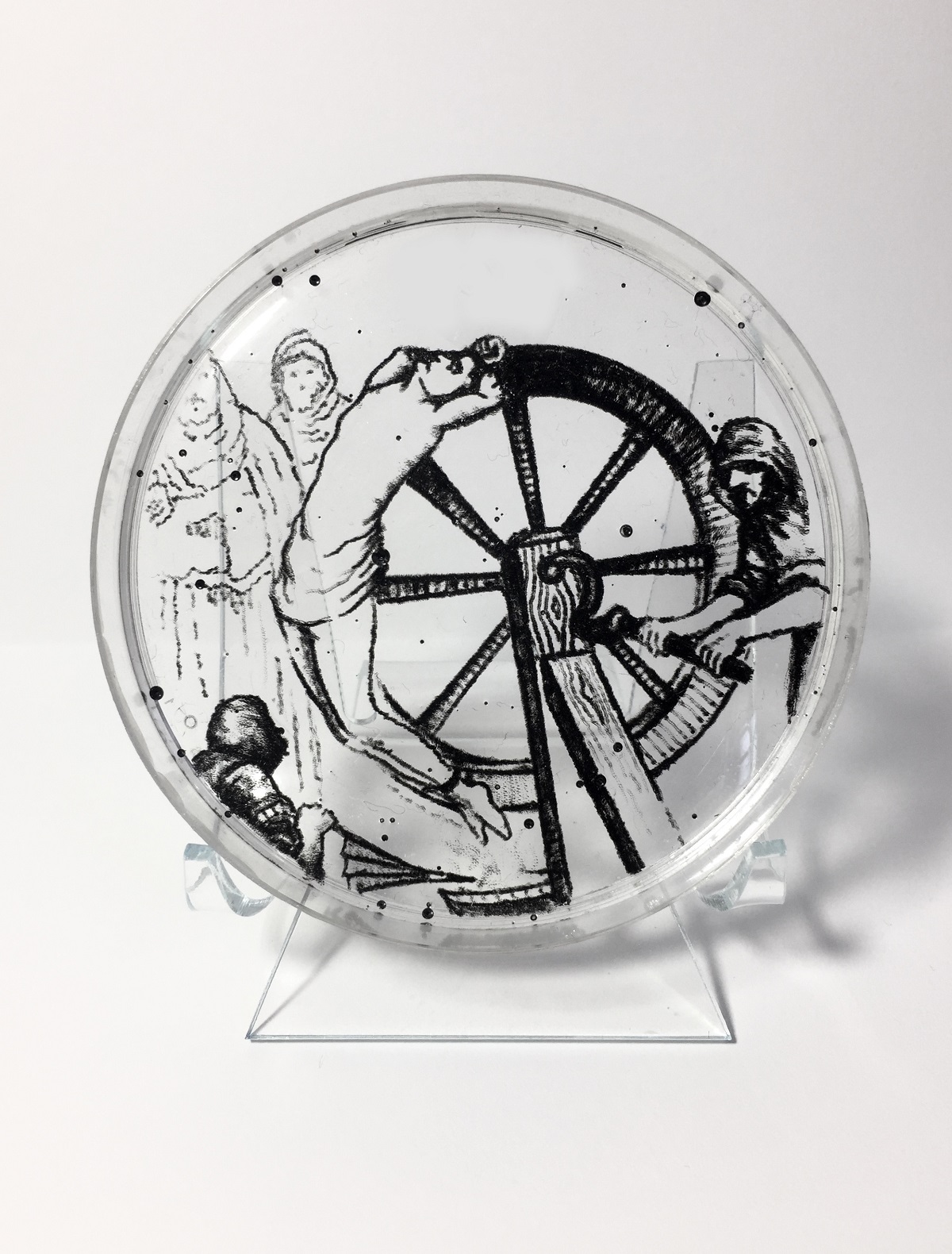 "Tattooed petri dish" by Adam Krueger
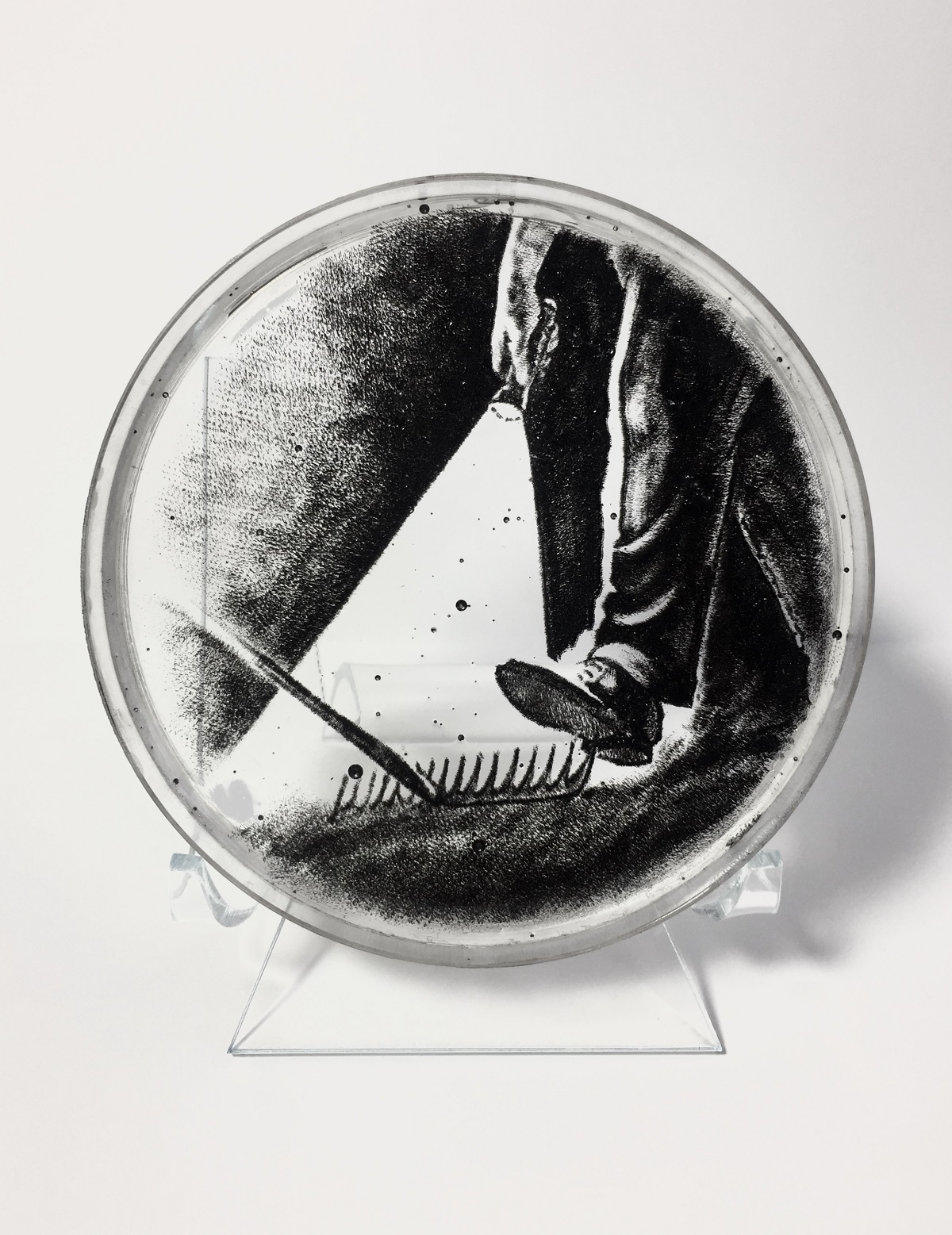 Tattooed petri dish by Adam Krueger
How do you see tattooing evolving within the broader contemporary art world, especially as more conceptually driven artists engage with the medium?
Tattooing is in a kind of renaissance right now. We’re already seeing it influence and intersect with contemporary art, both visually and conceptually. As more artists move between tattooing and other disciplines, those boundaries will continue to dissolve. I think we’ll also see more experimentation-tattooing explored across sculpture, painting, and other surfaces. Which will expand how the medium is understood and presented in galleries and museums.
Do you worry that bringing tattooing into academia risks diluting its subcultural identity, or do you see it as a natural evolution of the practice?
I see it as a natural and important evolution. Tattooing has always been passed down through apprenticeships and personal mentorship, and that lineage remains vital. Academia doesn’t erase that; it supports and documents it. Formal education creates space for critical study, it’s history, and ethics, while reinforcing safety and technical precision. Rather than diluting tattoo culture, I believe it strengthens it by honoring its complexity and ensuring it’s preserved and understood for future generations.
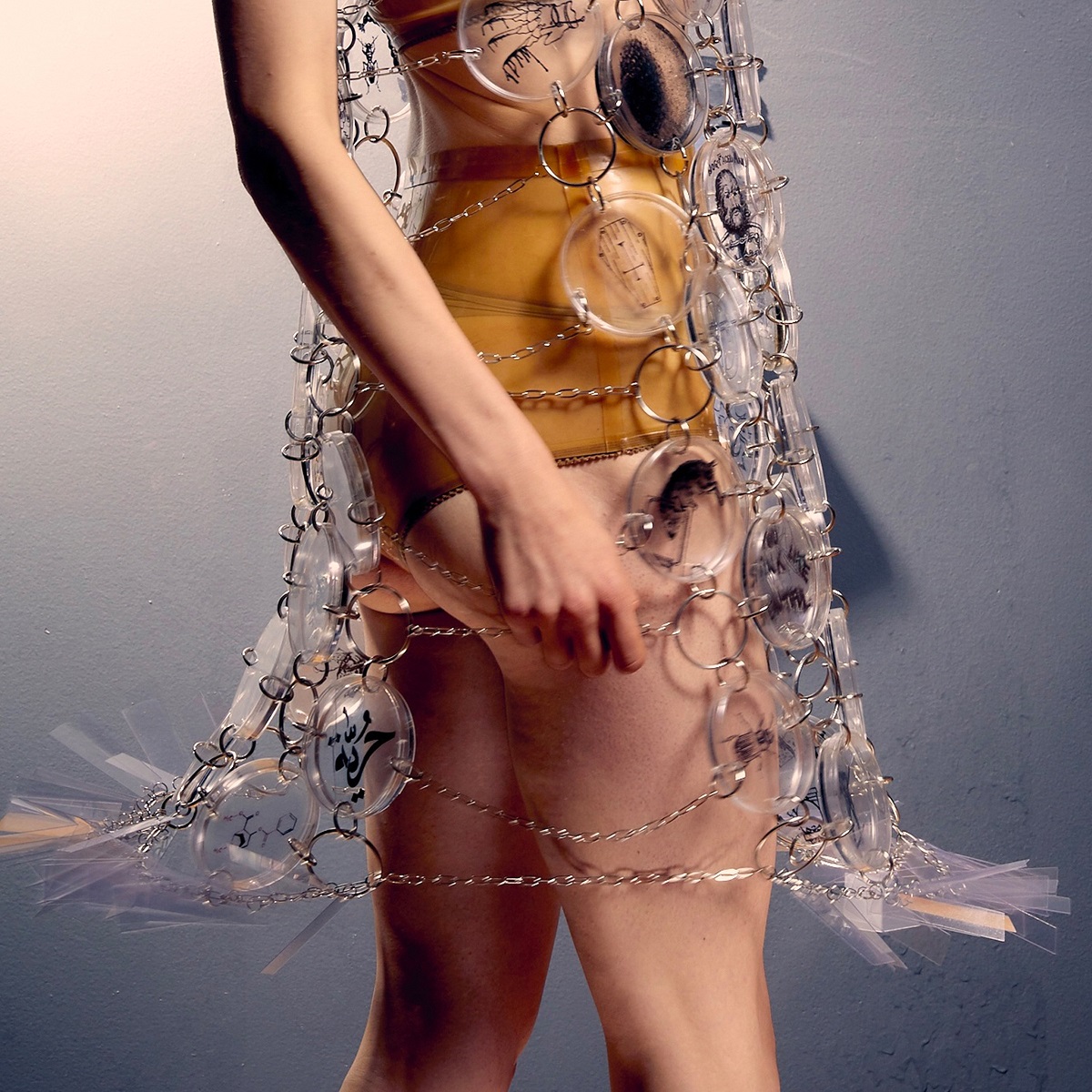 "Petri Dress" by Adam Krueger and Tableaux Vivants, model-Jess Fuhrmann, photo -Tim O'Malley
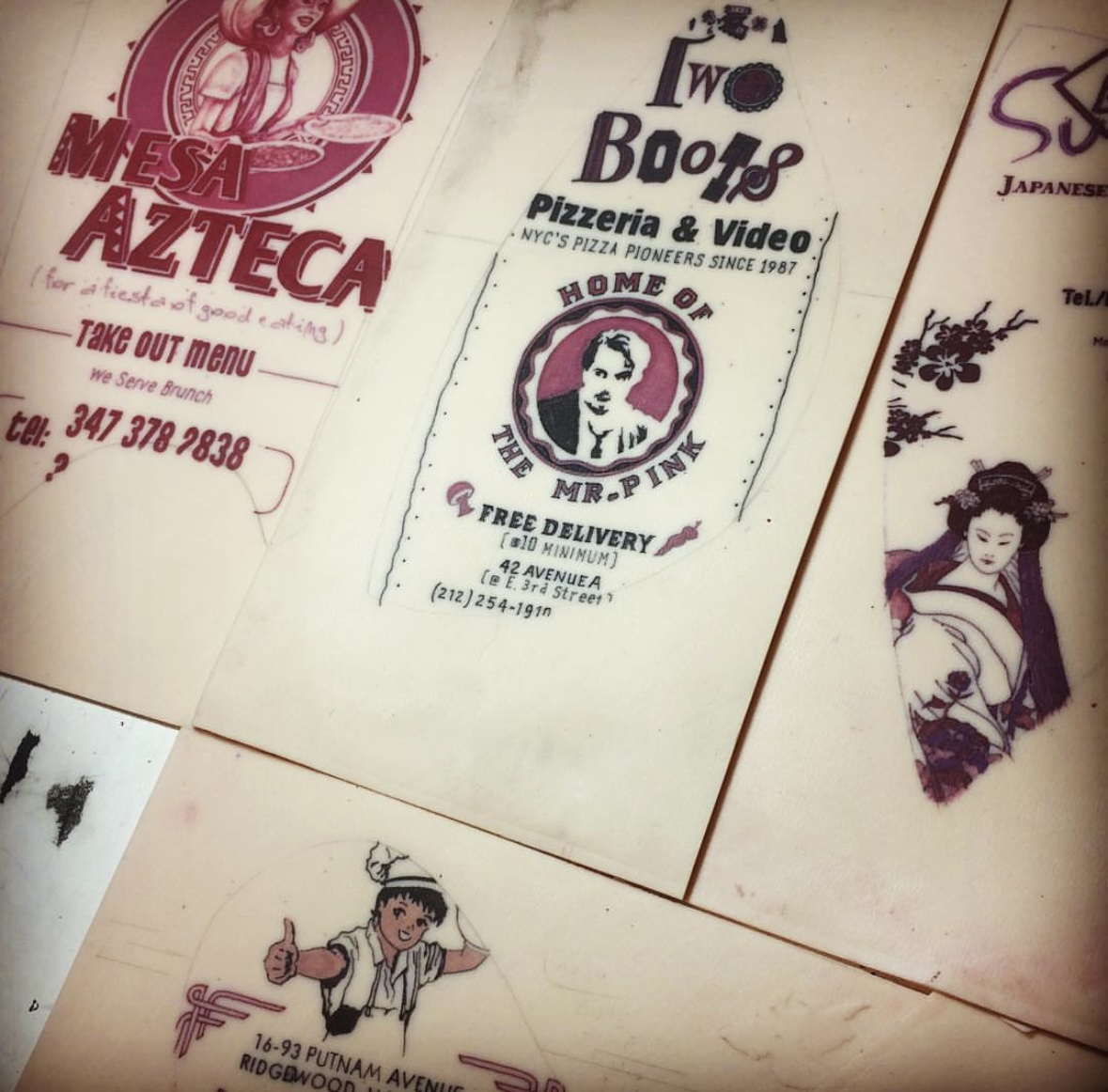 The making of the tattooed silicone mask, tattoos by Adam Krueger
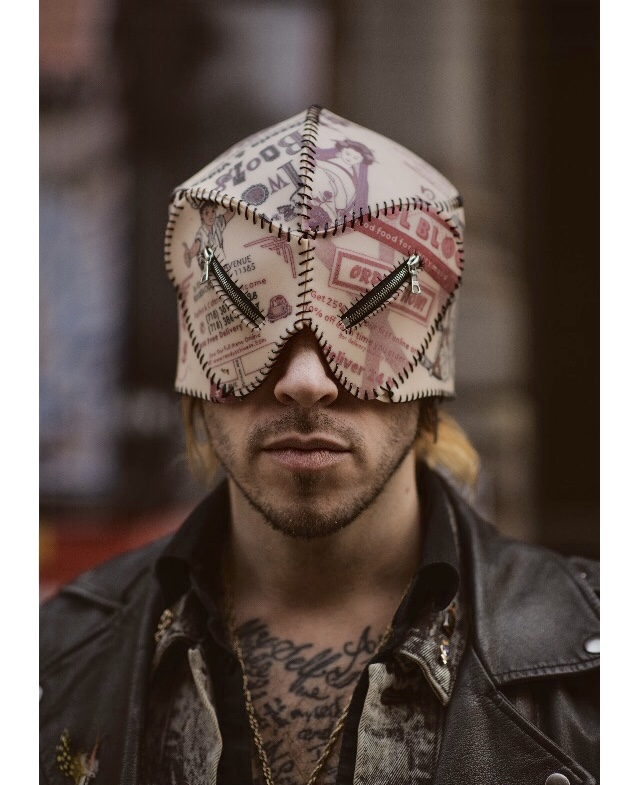 Adam Krueger wearing the collaboration hand tattooed mask

Noah Becker
Noah Becker is an artist and the publisher and founding editor of Whitehot Magazine. He shows his paintings internationally at museums and galleries. Becker also plays jazz saxophone. Becker's writing has appeared in The Guardian, VICE, Garage, Art in America, Interview Magazine, Canadian Art and the Huffington Post. He has written texts for major artist monographs published by Rizzoli and Hatje Cantz. Becker directed the New York art documentary New York is Now (2010). Becker's new album of original music "Mode For Noah" was released in 2023.
Becker's 386 page hardcover book "20 Years of Noah Becker's Whitehot Magazine of Contemporary Art" drops Aug 8, 2025 globally on Anthem Press.
Noah Becker on Instagram / Noah Becker Paintings / Noah Becker Music / Email: noah@whitehotmagazine.com
view all articles from this author