Whitehot Magazine
July 2026
"The Best Art In The World"
"The Best Art In The World"
July 2026
Curator Lara Bayer Brings Istanbul to New York in 'Metropoli'
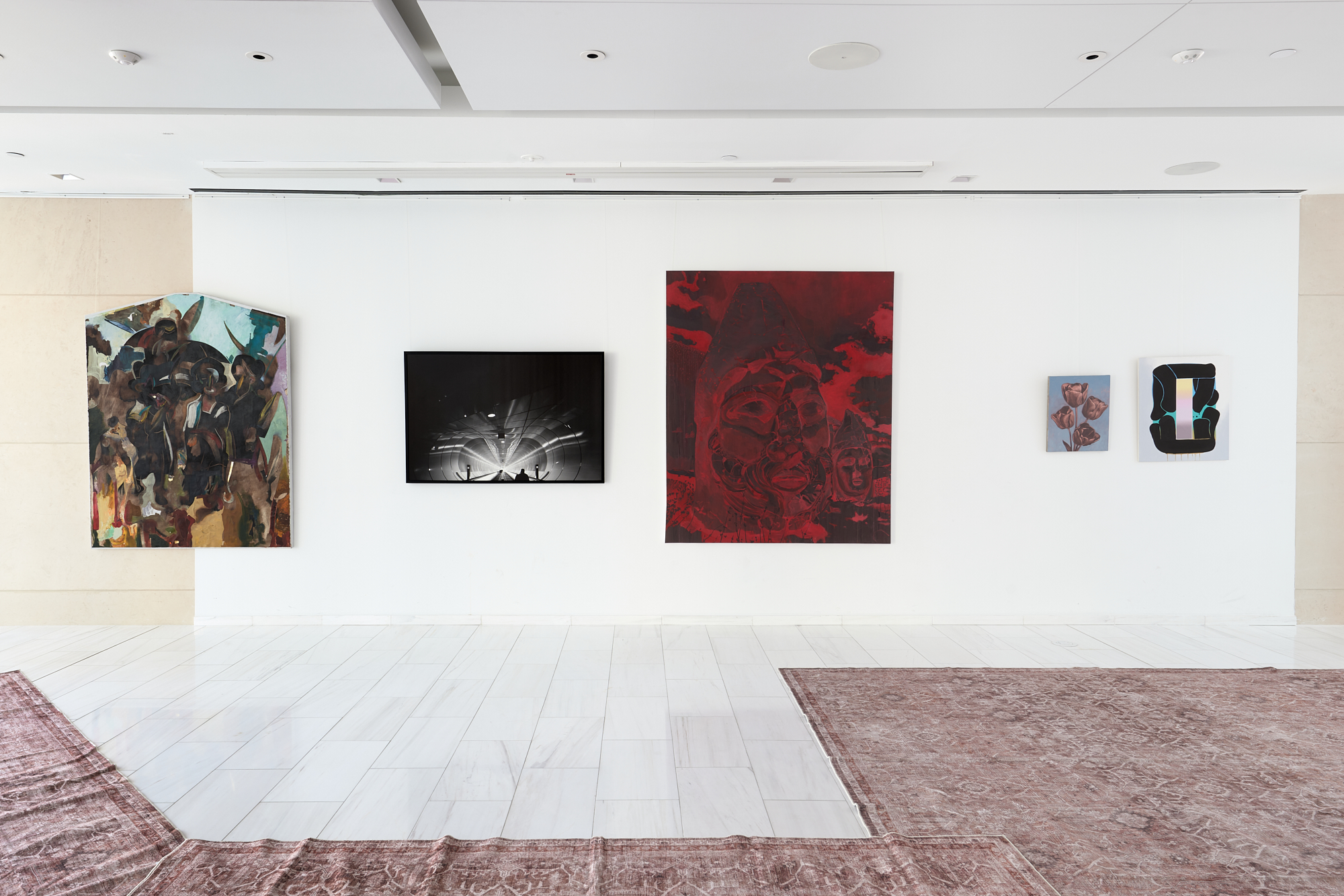

Installation view. Second artwork from left: Ali Bilge Akkaya. Underground Excursions, 2020. Fine art paper, archival pigment printing. 33.5 x 51 x 2.6 in. Photographed by Gustavo Murillo. Courtesy of the curator.
Traversing New York and Istanbul, Metropoli, curator Lara Bayer’s latest exhibition held at The Consulate General of the Republic of Türkiye from April 17 to May 1, 2025, presented ten artists and their view of the metropolises. Sponsored by Turkish Airlines, the exhibition engages in placemaking—offering a space to reflect on where Istanbul is moving for Turkish viewers, and for others, a look into the relationship between the two cities. Hasan Kale’s Core Cities (2025), a miniature diptych painted on two sunflower seeds, shows two iconic scenes from the two cities, the Statue of Liberty from New York, and the Bosphorus Bridge from Istanbul. With an abundance of sunflower farms in Turkey’s Thrace and Konya region, chewing on sunflower seeds is ubiquitous in Turkish culture. Although it is the exhibition's smallest piece, it is reflective of what it means to call two cities home, exuding a sense of comfort and pride; it encapsulates the exhibition’s core themes.
Metropoli takes us underground and to the sky; Ali Bilge Akkaya’s photo of an Istanbul subway stop Underground Excursions (2020) and Nick Hobb’s graphite drawing Vertigo (2022) from the view of peering up at a high-rise tower presumably in New York together reflect the scale of these two cities where millions of people each day move both underground and in the sky in buildings and through transit systems, on their own adventures or anxious paths to destruction or self-actualization, or both at once. 8,25 million people live in New York, and if you have not had a meltdown in public or been yelled at and yelled back, you probably have not lived here that long. It is a city known for its grit, competitive inhabitants, but also strong communities—a city of promise to immigrants and transplants who began coming at the end of the 19th century. Istanbul, straddling Europe and Asia across the Bosphorus Strait, is Europe’s largest city, and continues to grow. Sprinkled across the city are testaments to its rich history: the open-air, Roman-era Hippodrome, Egyptian obelisks, and the iconic Byzantine Hagia Sophia are among the architectural landmarks that give a glimpse into past civilizations. Both cities, despite governance, have a lasting chaotic and open energy. In the 2021 documentary Pretend It’s a City, New York author (and icon) Fran Leibovitz partially attributes the city’s unique energy to its density, something that Istanbul also carries in it. Bayer, who is an Istanbul native, has with subtlety and deft reflected these multitudes in her excellent curation.
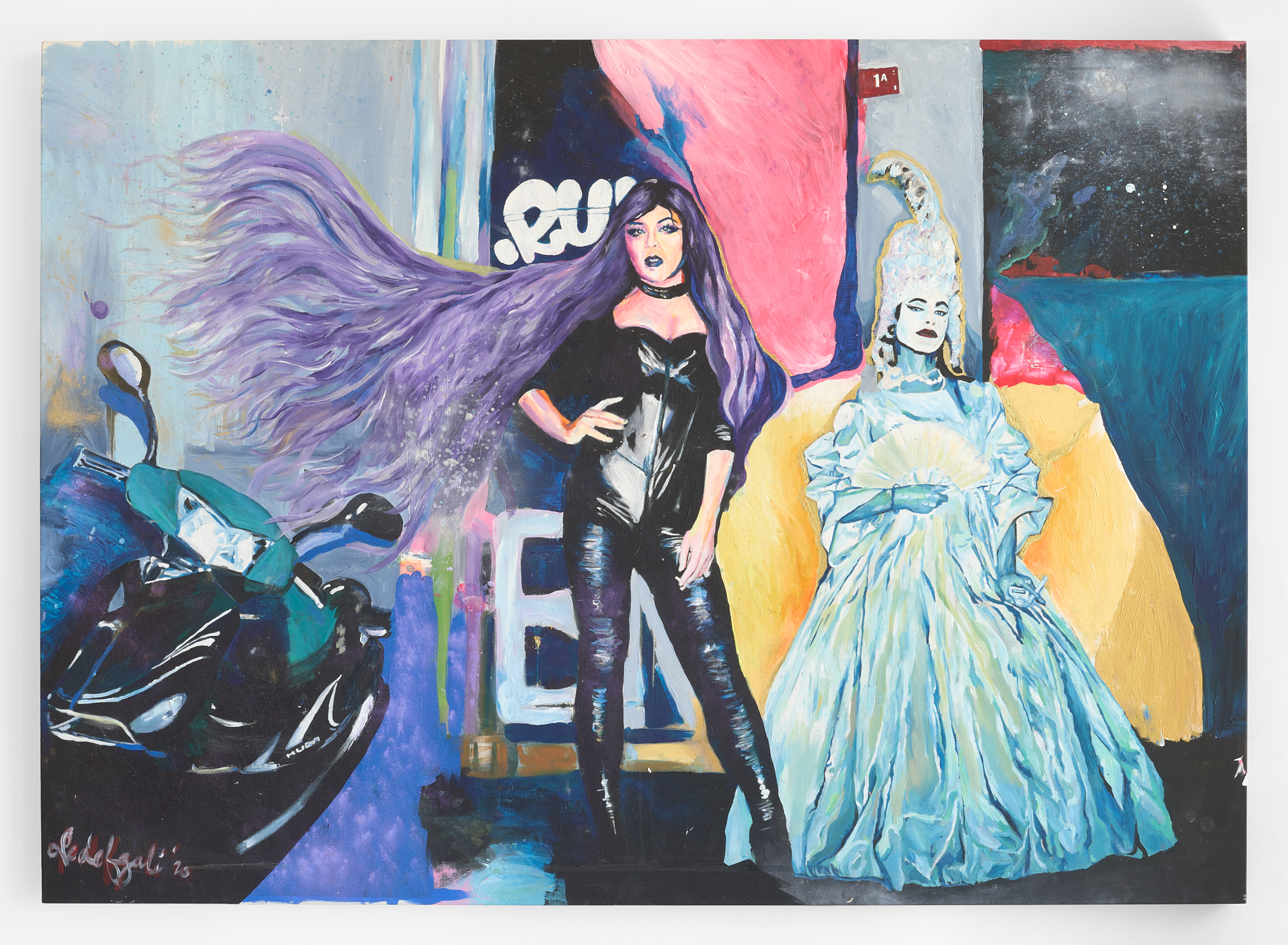

Sedef Gali. Angels and Demons of the Street, 2020. Acrylic, oil and iridescent pigments on canvas. 56.3 x 65.0 x 1.6 in. Photographed by Gustavo Murillo. Courtesy of the artist.
Henri Lefebvre has argued that urban spaces should be shaped by their citizens, not market or capitalist forces. Sedef Gali’s work epitomizes this notion, paintings featuring people in the backdrops of city fabrics that reflect who they are. Angels and Demons of the Street (2020) depicts two figures, one wearing a latex outfit and her hair blowing horizontally, a heroine of the streets, against a graffiti-clad city wall. Gali writes in her artist statement, “If there's one thing every city shares, it's constant change.” Asking the question: “Do any of us belong in our cities, our bodies, our minds? Or are we all just outsiders looking in?” We are constantly on the lookout for timelessness, timeless fashion, architecture, and places that remain the same; this is a fallacy, as people in constant movement and change also impact the environments around them. Gali is acutely attuned to these shifts as she balances her artistic practices with design and creative consulting—participating in multiple stratas of cultural production, a form purer to her own vision in her painting and intermingled with the creativity and needs of others in her consulting.
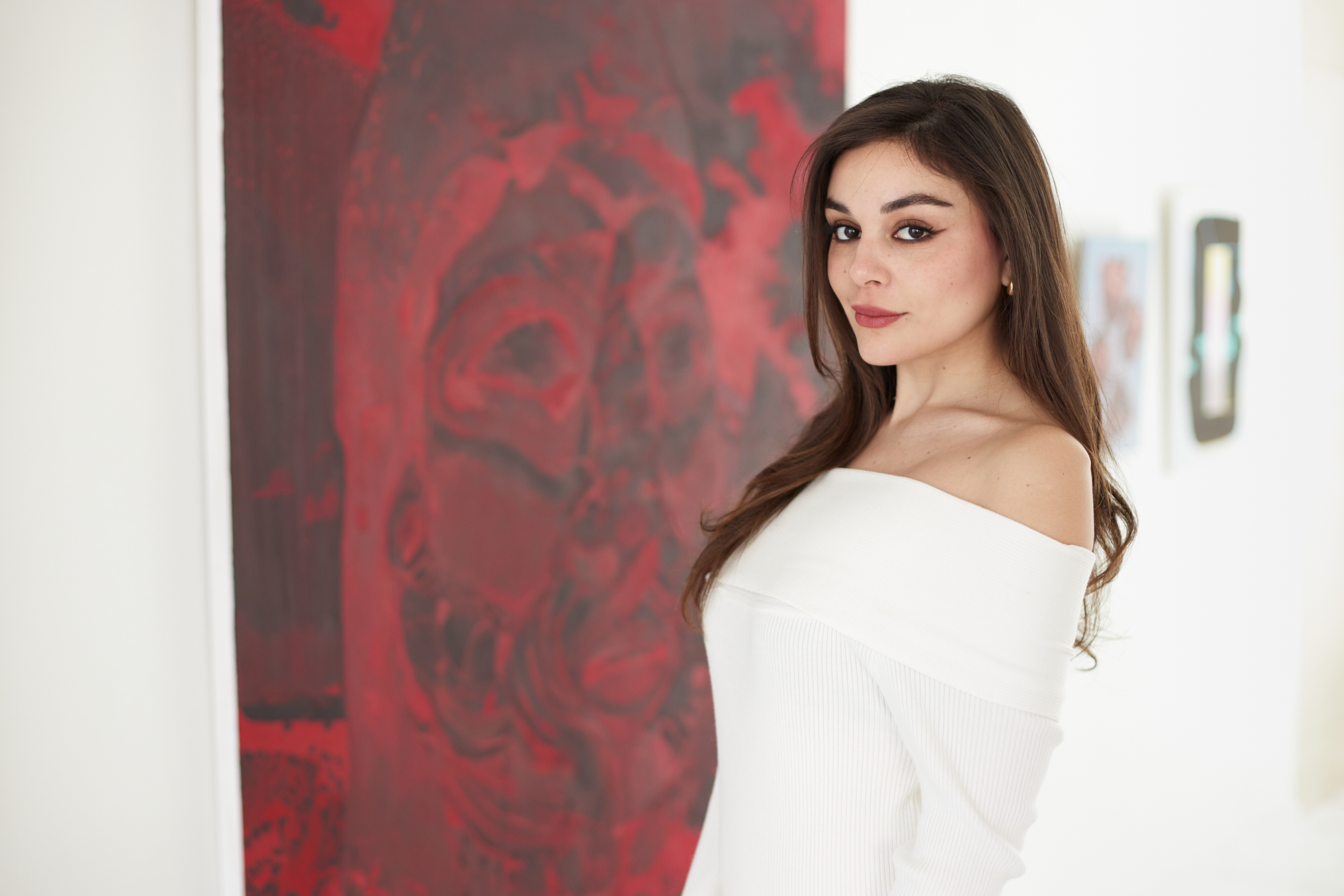

Metropoli is an example of Bayer’s outstanding curatorial acumen, offering a focused and culturally resonant exhibition that showcases her commitment to cross-cultural dialogue. In 2024, she curated a booth at the SPRING/BREAK Art Show in collaboration with artist Jordan Doner (who is also in this show) and gallerist Clio Giner Yusto. The trio also co-founded Emerging Collector Series, an international collective based in New York, Istanbul, and Madrid that organizes gallery walkthroughs, studio visits, and facilitates connections between artists and early-stage collectors. Beyond her curatorial practice, Bayer contributes a monthly column to MAG Magazine, where she writes insightfully about international exhibitions and cultural events for a Turkish readership. Through this growing body of work, which reflects a commitment to thoughtful and accessible engagement with contemporary art, Bayer establishes herself in New York’s curatorial landscape.
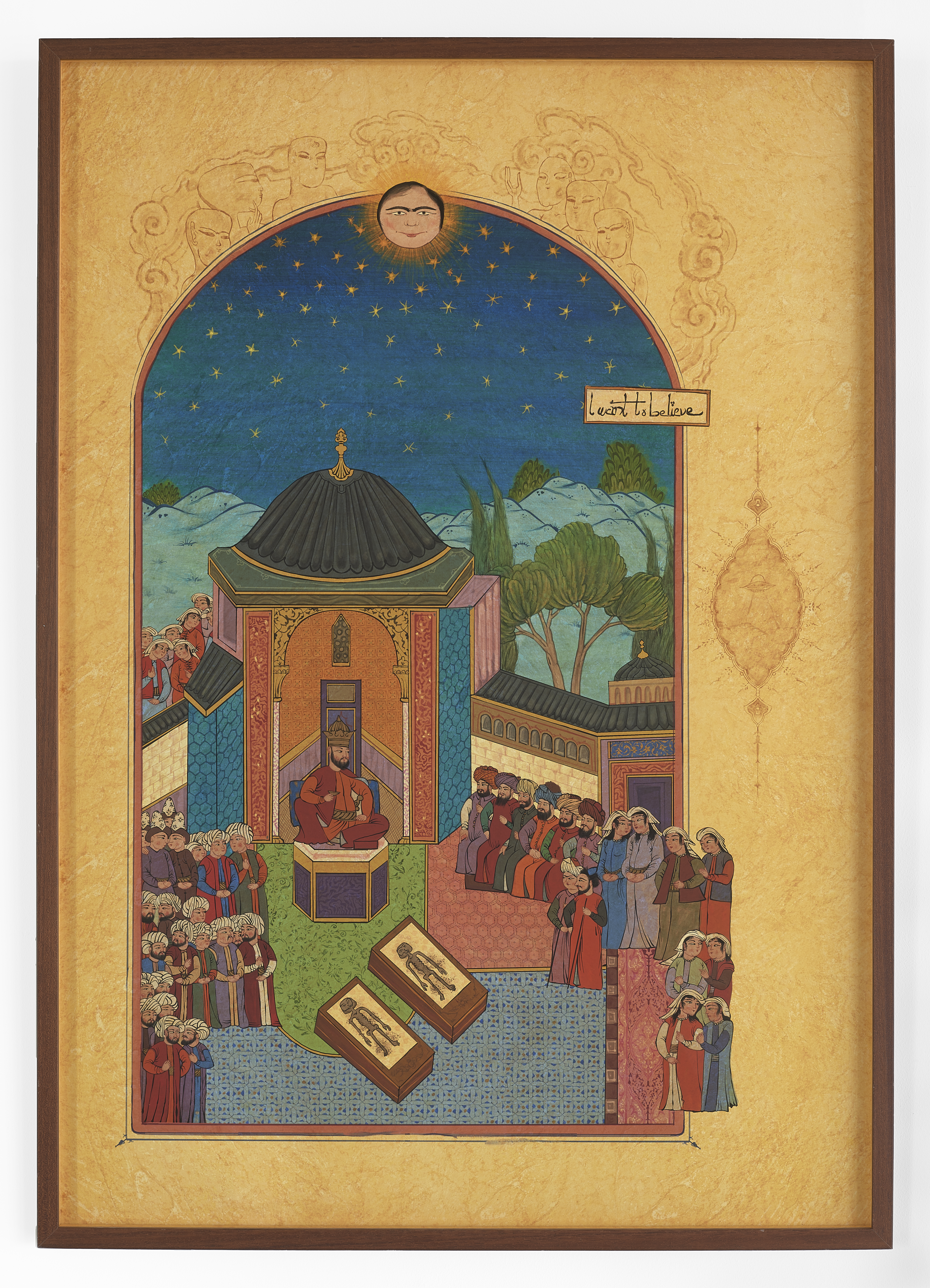

Murat Palta. Totally Legit, 2023. Fine Art Print. 43.3 x 30.7 in. Courtesy of the artist.
Living in New York, I enjoyed how the Turkish artists’ work transported me to Istanbul, a city I have visited only once, in winter. People always talk about warm nights and the raucous parties at bars and on boats on the Bosphorus. For my visit, it was the spice market, clothing markets, late-night hookah bars, dessert, and tea spots that I returned to many times in between seeing the historical sites. Our tour guide at the Hagia Sophia left us early, she was cold and miserable, bothered by the snow—my friends and I were none the wiser and loved it all, romanced by the magic of the city. Murat Palta’s illustrations merge fact and fiction and art historical styles in their aggrandized miniature-like mise-en-scenes. Totally Legit (2023) might not be entirely legitimate. Although different cities promise a certain mood or vibe, everyone’s experience is unique and multi-faceted, as pieces by the aforementioned artists, along with Çiğdem Aky, Logan Criley, Leasho Johnson, and Çağla Ulusoy show.

Anna Mikaela Ekstrand
Anna Mikaela Ekstrand mediates art through writing, curating, and lecturing. Her art criticism is published in Cultbytes, BOMB, Artspiel, and Artefuse, among others. Her latest books are Assuming Asymmetries: Conversations on Curating Public Art Projects of the 1980s and 1990s and Curating Beyond the Mainstream both published by Sternberg Press in 2022. She is co-curator of The Immigrant Artist Biennial 2023: Contact Zone and the organization's Associate Director.
view all articles from this author