Whitehot Magazine
October 2026
"The Best Art In The World"
"The Best Art In The World"
October 2026
Championing the Ecosystem: Interview with Director Sara Weyns for the Middelheim Museum's 75th Anniversary
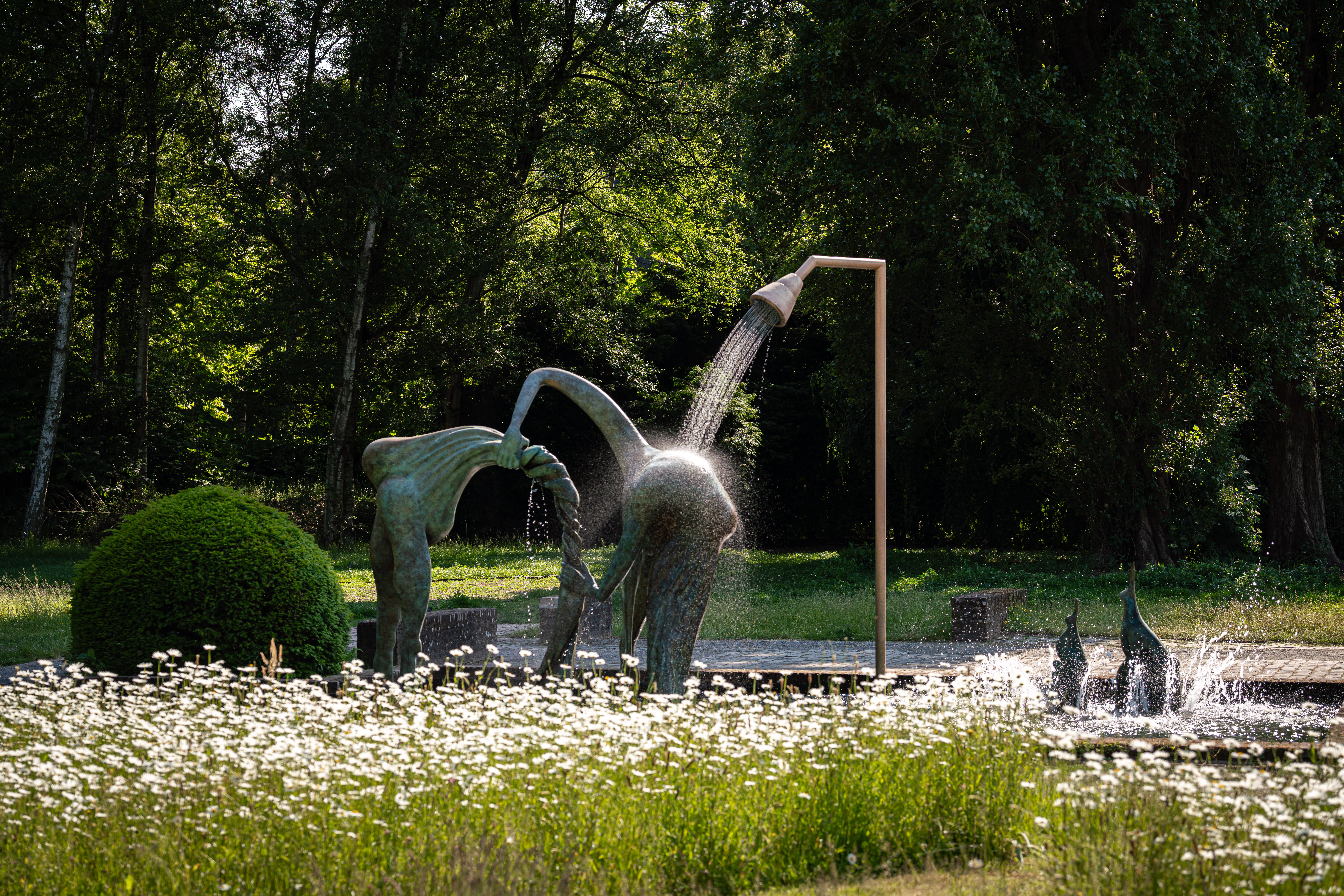 Camille Henrot, Adrift, 2023 © SABAM Belgium 2025 - Photo: Tom Cornille.
By GRACE PALMER March 1, 2026
“Never past without future, never future without past”. Speaking with Director Sara Weyns, these words capture the ethos behind the Middelheim Museum – a hub of interchange, exchange and collaboration. Established in 1951, this 350-hectare site celebrates its 75 years of history. It features over 200 images in its internal museum and more than 250 sculptures in the open-air park. In the words of architect in residence Paul Robbrecht, the Middelheim Museum is a “space that nurtures and protects”. Home to some of the most renowned sculptors of the last century, including Ai Weiwei, Hans Arp, and Barbara Hepworth, the Middelheim champions creativity, change and the interconnection between art and nature. At the forefront of their space is the open-air sculpture park, a sprawling landscape that acts as much as an artistic collaborator as the works displayed. Their upcoming anniversary exhibition, ‘Monster Chetwynd: A Friends Making Machine’ (May 16 – October 11), emphasises their ongoing dedication to the natural landscape that encompasses a core part of their identity, whilst also looking forward to new networks and new ecosystems. I spoke with Director Sara Weyns about the roots she has planted during her tenure, the branches that have grown over the last 75 years, and the blossoms she anticipates for the future.
“Artist and I conceived the plan to write [...] each of us addressed our prayer to the master of the sacred valley.” Taken from the opening of an 1843 book of fables, this reverence for the sacred valley has remained a central influence during Weyns’ directorship. Before ceding the Chateau de Middelheim to the Le Grelle family in 1842, Knight Edouard Parthon de Von was fundamentally changed by his time at Middelheim. Once Consul of France, Edouard emerged from the Chateau transformed: a horticulturist and a fabulist – an exemplary union of art and nature. Equally devoted to the natural as he was the artistic, Edouard’s 1843 Fables embody an ethos of collaboration that has persisted since the 17th Century. Since becoming a museum in 1951, the Chateau de Middelheim has undergone radical change and expansion, notably with the addition of the botanical Hortiflora in 2012, yet has remained true to Parthon de Von’s appreciation for both nature and art.
Beginning her career at the Middelheim Museum at 23, Sara Weyns has witnessed numerous developments, commissions and losses – yet the enduring relationship between art and nature persists. Reflecting on some of her favourite pieces from the past 20 years, Germaine Richier’s Praying Mantis continues to epitomise the essence of Middelheim. Richier’s bronze mantis leaps from the earth, poised in a stance both hostile and vulnerable. Fusing human with insect, Richier’s sculpture is Kafka-esque, an in-betweenness that acknowledges the natural within the human – “an existential crisis”.
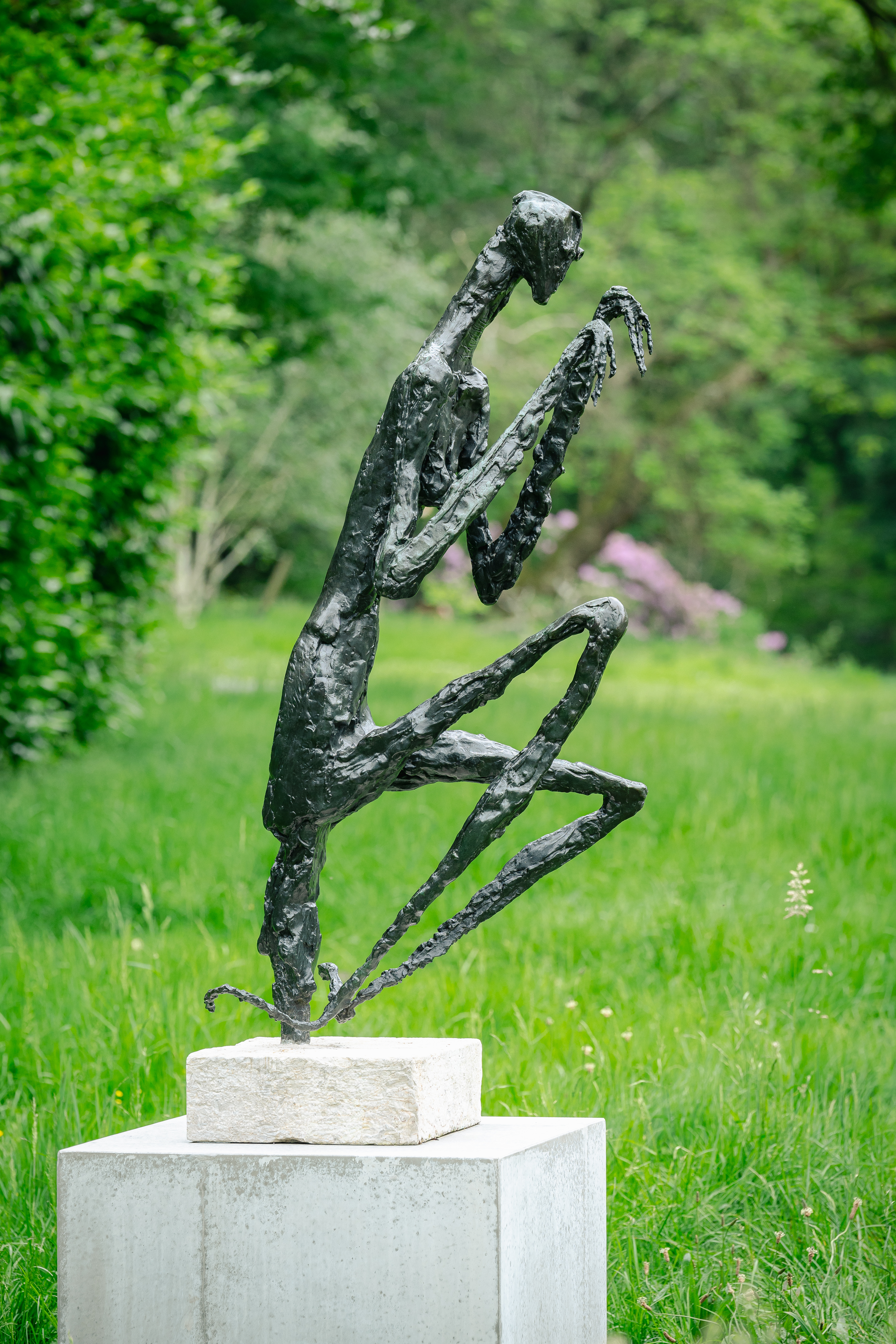 Germaine Richier, La Mante, 1946 © SABAM Belgium 2025 – Photo: Tom Cornille.
Weyns has grappled with this “existential crisis” throughout her tenure as director. Not just a park, not solely a cultural institution, the identity of the Middelheim Museum has always rested uneasily within Antwerp’s public infrastructure. Uncertain which side to prioritise, Weyns only truly recognised the value of the museum’s unique positionality with the onset of COVID. As the only museum in Antwerp to remain open, largely thanks to their outdoor spaces, it became clear that the public was not aware of an existential bifurcation – rather, they saw their difference as a bonus.
Curating in harmony with the natural resources, not from them, has created a space that bursts with life, creativity, renewal and longevity. Though it may not be archetypically museological, this very difference is what defines Middelheim. The site’s urban fabric is fundamental to how Middelheim tells its stories, interacts with its environment and passes the park on to future generations. By fostering more permeable soil, increasing water reserves and leaving grass unmowed in certain areas, Weyns and her team cultivate a biodiversity that serves both the 350-hectare park and the 600,000 annual visitors who engage with it. Just as Parthon de Von did in 1843, Middelheim addresses its prayers to the sacred valley, so that its art may flourish.
“I believe in water, air and earth. They are all deities.” Ana Mendieta’s 'Earthbound' exhibition in 2019 marked a significant turning point in Weyns’ career – a moment where the artist, even without their physical presence, was heard. Activating both the park and the viewers, ‘Earthbound’ honoured Mendieta’s connection to the elemental agency she felt around her. Challenging a sculptural tradition focused on figurative work, this 2019 exhibition embodied Weyns’ investment in land art and performance. This year, Middelheim continues to expand its ecosystem. ‘Monster Chetwynd: A Friends Making Machine’ is a multi-level collaboration between the museum, the park, Antwerp and Monster herself. Addressing themes of care, resilience and renewal, Weyns comments that Monster has gone further than any previous artist – “really putting you to work.” During Middelheim’s press day, Weyns mentioned how Monster claimed the park itself had already interviewed her. Her “punk way of being” – her curiosity and open-mindedness – allows her to see nature as an attitude; a force that demands its rightful place within the museological network. While much of Middelheim’s appeal lies in its vast sculptural collection, Monster brings to the fore systems not so visible; the mole tunnels, the fungi, the roots, all of which are the bedrock for the open-air park. Monster Chetwynd is, as Weyns puts it best, “an incredible ecosystem in her own right”, and through this upcoming exhibition, she invites us into this ever-growing biome.
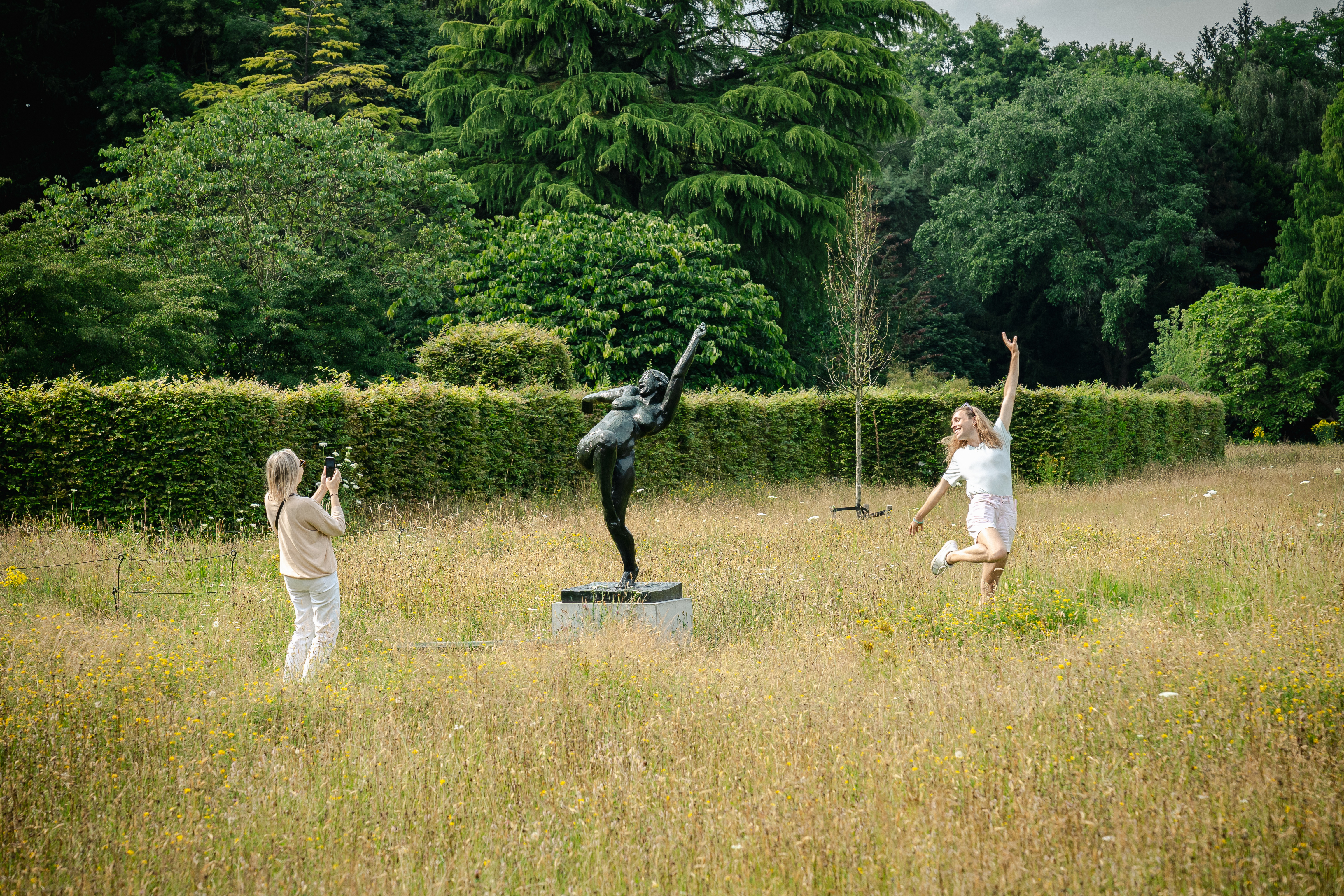 Rik Wouters, La vierge folle (Het zotte geweld), 1912, inv 1797 - Koninklijk Museum voor Schone Kunsten Antwerpen, Collectie Vlaamse Gemeenschap (public domain) - Photo: Tom Cornille.
‘A Friends Making Machine’, alongside its diverse films, talks, performances and workshops, centres on a new permanent commission for the museum’s collection. Monster’s ‘portal’ is a sculptural entrance that forges new pathways from the museum’s neighbours to its heart, especially the ZAS-Middelheim and UKJA hospitals. Though situated on the outskirts of Antwerp, the Middelheim is very much a part of the city’s urban fabric. Weyns insists that the museum should not “try to work within its fence”, but instead communicate, collaborate and listen to its community. This sculptural gateway stands as the antithesis of Rococo décor for human theatrics. Monster, by attuning to the hospital's young patients, therapists and the museum itself, has created a sculpture that manifests conversation, connection, and care – a true friend-making machine. For Weyns, such eagerness to expand access whilst also learning from those outside ‘institutional walls’ encapsulates Middelheim’s civic responsibility.
Beyond cultivating these connections, Monster’s nature-centred sculpture aligns with Weyns’s growing interest in the psychological benefits of engaging with art. Emphasising that although the Middelheim is “not a healthcare expert”, its social function remains invaluable. Facilitating these new exchanges with their healthcare neighbours asserts the therapeutic potential of art. Growing research shows that nature-based art experiences can help regulate stress, enhance wellbeing and improve mood. Just as the museum’s landscape has been restored over the past 75 years, it now offers a new restorative potential – a therapeutic relief fostered by the artistic-natural paradigm thriving within the park. ‘Monster Chetwynd: A Friends Making Machine’ is less an exhibition than an evolving long-term process and a sustained commitment to renewal.
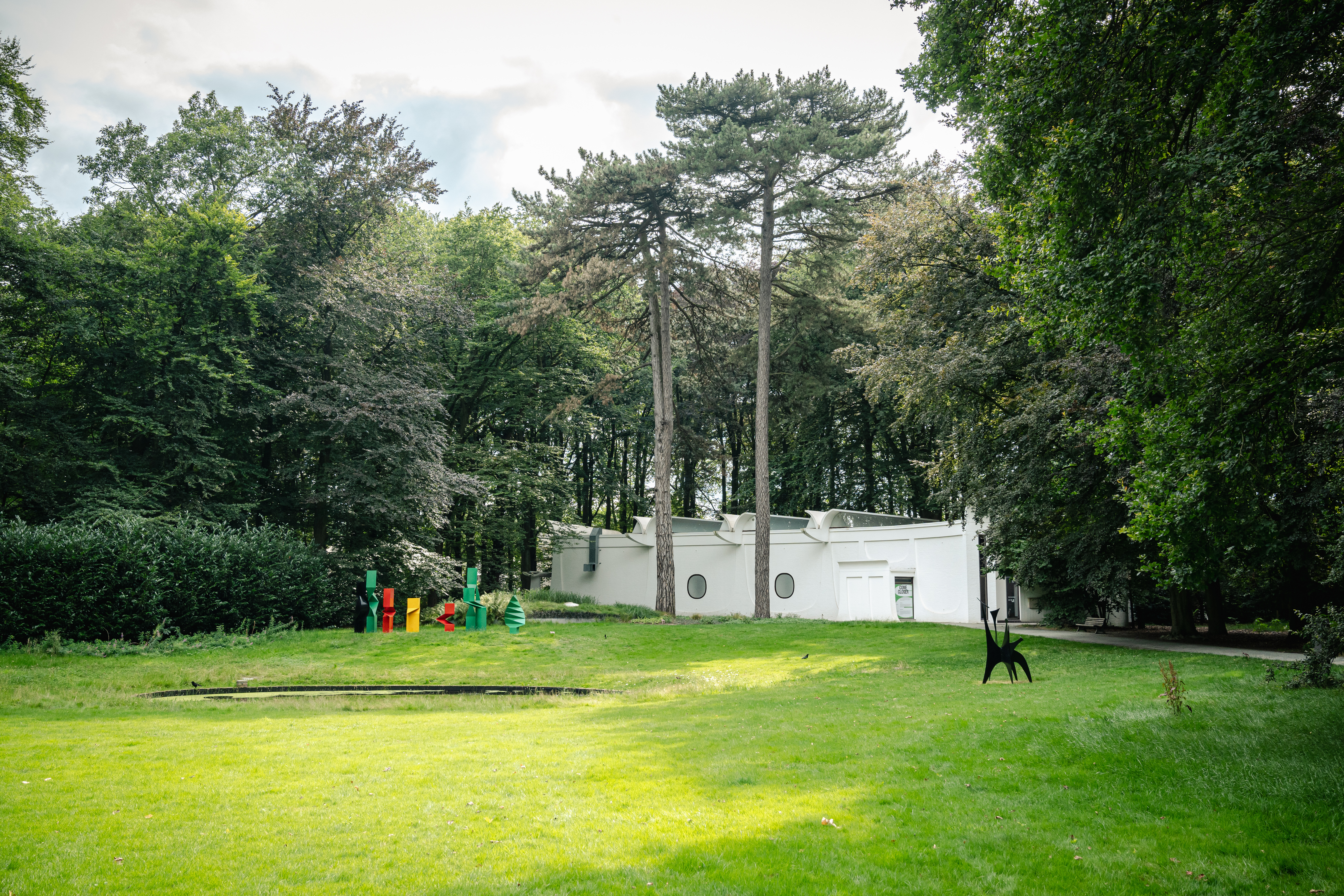 Braem Pavillion - Photo: Tom Cornille.
With its status as a city rooted in charity, support and care, Antwerp has shaped many institutions in accordance with these principles. Historically classified as the ‘orphaned city’, Antwerp has provided extensive care to orphans and abandoned children, especially during the 17th Century with the Maagdenhuis and the 1811 Foundling Drawer. Melancholically, Weyns reflected on how her city, like the rest of the world, has not escaped the shifts towards right-wing dogmatism and rugged individualistic attitudes. For her, artists like Monster are an inspiring reminder of the city’s charity, those who are willing to put in the time and effort to cultivate these exchanges and immerse themselves within various communities. Celebrating its 75th year, the Middelheim reminds Antwerp, along with the rest of the world, of the radical growth and comfort that comes with charity.
When I asked Weyns about her hopes for the next 75 years of the museum, she quoted Maria Balshaw’s Gathering of Strangers: “A museum should strive to be an expanded space for deliberative conversation and reflection.” Early in her directorship, Weyns encountered persistent disdain about Middelheim’s purpose, but now she trusts that its museological relevance will not be questioned again. By challenging preconceptions of what constitutes a ‘museum’, Weyns has expanded Middelheim’s network, transforming it into a site for deliberative conversation and reflection. Looking ahead, Weyns is considering ways to share the museum with diverse cultural actors, healthcare providers, and public institutions – integrating themselves into the broader ecosystem.
The Middelheim Museum is an institution that radically embraces change. Confronted with the inevitability of external decay, its physical collection is constantly evolving, reshaping, and shifting at the material level. As the natural landscape changes around their artwork, so too does the Middelheim itself. Seventy-five years have cultivated a rich bionetwork; in the next 75, even more branches shall sprawl, grow and flourish from the Middelheim Museum. For as much as it is “never past without future, never future without past”, it is also “never identity without relationships, never relationships without identity.”
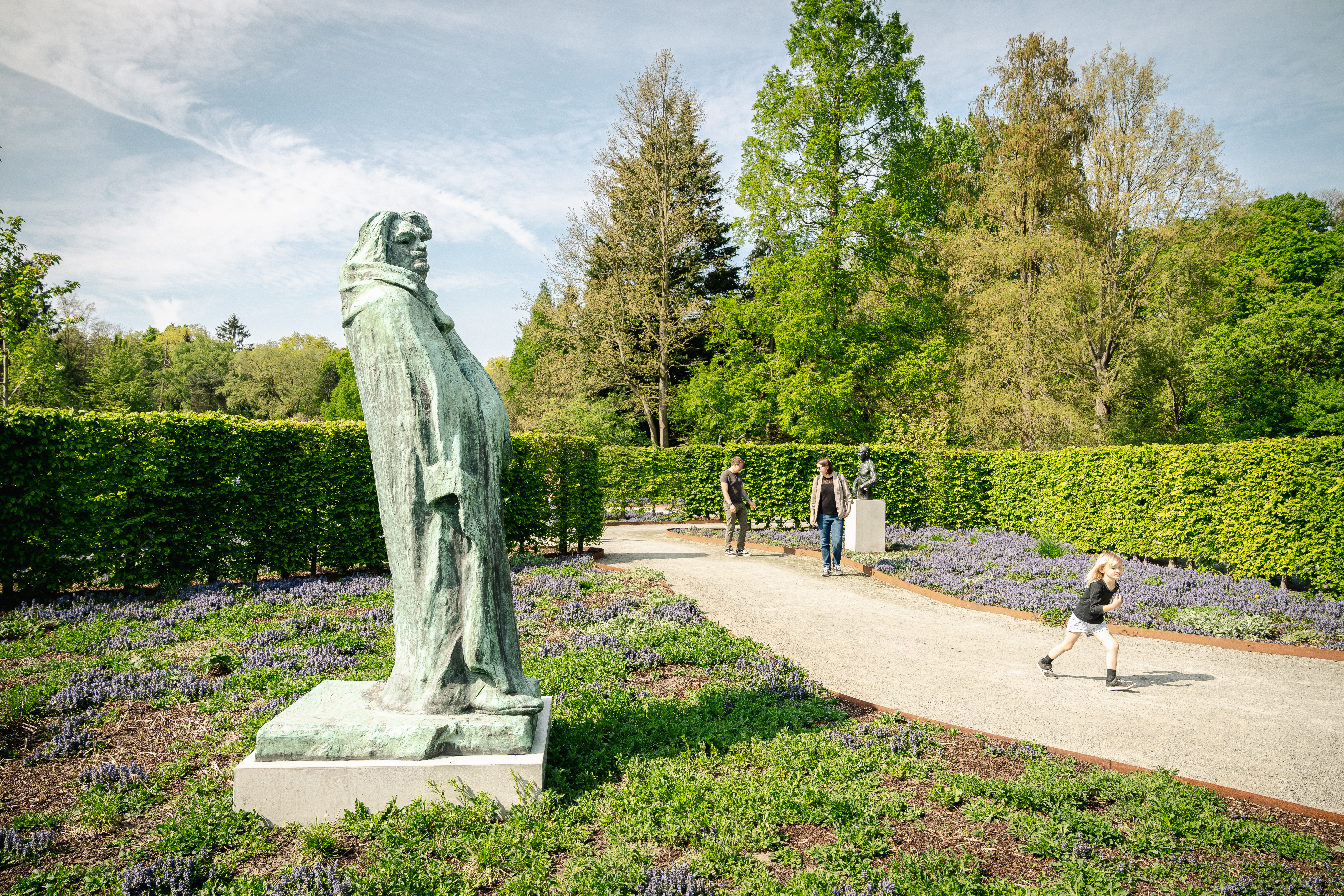 Auguste Rodin, Balzac, 1892-97, inv 2196 - Koninklijk Museum voor Schone Kunsten Antwerpen - Collectie Vlaamse Gemeenschap (public domain) - Photo: Tom Cornille.
My considerable thanks to Director Sara Weyns for offering her insightful words and to the team at Pelham Communications for facilitating this meeting.

Grace Palmer
Grace Palmer, an art historian and writer, specializes in the history of contemporary art and 1960s New York performance art. She contributes to Whitehot Magazine and is currently located in London, England.
view all articles from this author