Whitehot Magazine
October 2026
"The Best Art In The World"
"The Best Art In The World"
October 2026
Marfa Daydream: LéAna Clifton
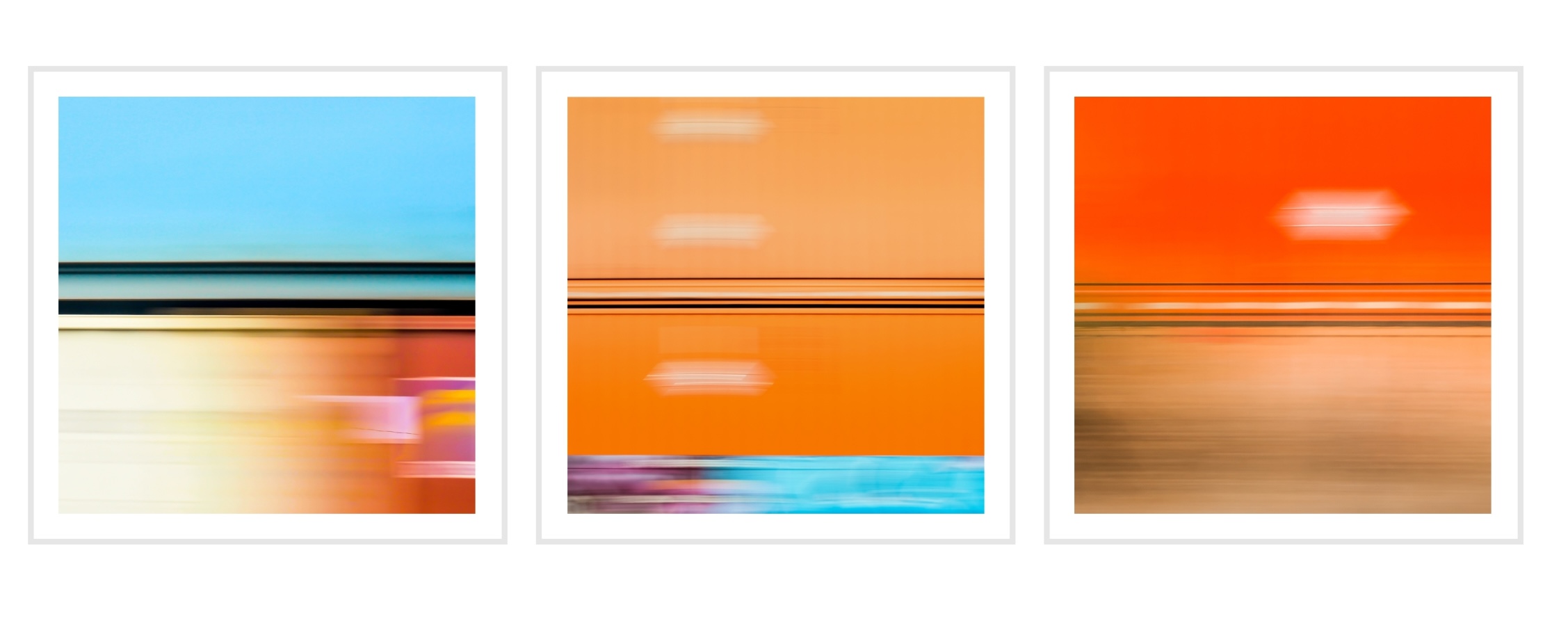
Untitled, 2026, paint, pencil, pastel, burnishing, mixed media over photography on paper, 20x20 in (each)
By Victor Sledge, May 19th, 2026
Photographer LéAna Clifton often steps outside to stand under the pine trees near her home in Marfa, TX, where she can always hear the wind blowing through the pine needles. “It’s like jazz. It’s the most beautiful sound. It totally calms my whole being,” she says. Under the trees, there’s a quiet concert that, like her work, feels encapsulating and contemplative.
“There’s no real rush, which is so magical,” she says. “As an artist, that is where you go to be creative. You have to have time to think through things.”
And then, out of nowhere, that moment of hushed thought can be sucked into the crescendo of a train zooming past Marfa, as it does regularly. That’s the only real moment of haste she often sees in the town. “Suddenly, there are these booms and bells, and this train just comes through town at 70 miles per hour. And it’s just so powerful,” she describes.
This unique Marfa experience is what you can expect to feel when her newest exhibition, Marfa Daydream, opens on May 15th at Veldt Gallery.
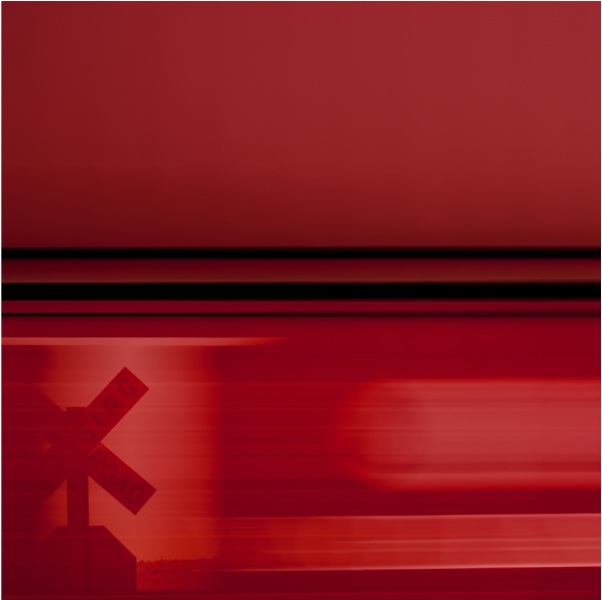 Untitled, 2026, paint, pencil, pastel, burnishing, mixed media over photography on paper, 20x20 in
It was in 1997 when Clifton first started making this moment of the passing train the subject of her photography-based, mixed media work. She remembers, “It was almost like love at first sight.”
The audience may not realize it at first, but with this exhibition, they’re looking at new iterations of such moments, which Clifton has been experiencing for decades now. And not just with trains, but also with other subjects we pass by all the time. Clifton has always been obsessed with detail in her work, even down to the small moments of transition we see every day: the clouds changing or a boat passing by.
In Marfa Daydream, she puts these experiences on canvas and lets the audience go on their own journey. “Every time a person comes in, I want them to finish the piece,” she says. “I want them to come to their own conclusion of what it is to them.”
Capturing a subject in motion means people may not always know exactly what they’re looking at when they see this work, like passing trains becoming vibrant blurs. But, as long as the work invites someone to pause and think, Clifton is fine with this ambiguity. It may take time, but that’s the point. She says, “You have to swim in it. What you see and feel completes my work.”
Clifton says people oftentimes have to stand with a painting for a while before they either ask or realize what it is they see. And, in a way, whatever happens from when they first lay eyes on her work to the point of realization is the most important part of it.
 With My Head in the Clouds 7089, mixed media on paper
“Very few people allow themselves to sit quietly and let the world wash over them or allow their minds to think ‘what if,’” she explains. But with her work, that’s often their only option as they absorb what they see and what it could mean to them. And just like the trains they’ll see in this exhibition, that process can take people to a different place.
Her husband, Glen Clifton, who’s also the founder of Veldt Gallery, says, “The train is a metaphor for a journey in her work. It takes you from one set of feelings and transports you to another place.”
For his wife, creating this work was a way to remind people to shut out the noise and give themselves time to just be. It’s a viewer experience that parallels what Clifton felt while she was putting the show together.
Working with things like trains means that she had to wait to be in the right place at the best time to capture the perfect shots to bring the work to life. Depending on her vision, Clifton says that can sometimes take years.
“If you have a specific subject that you are always chasing, it becomes like hunting. You have to be willing to wait for the magic moment,” she says.
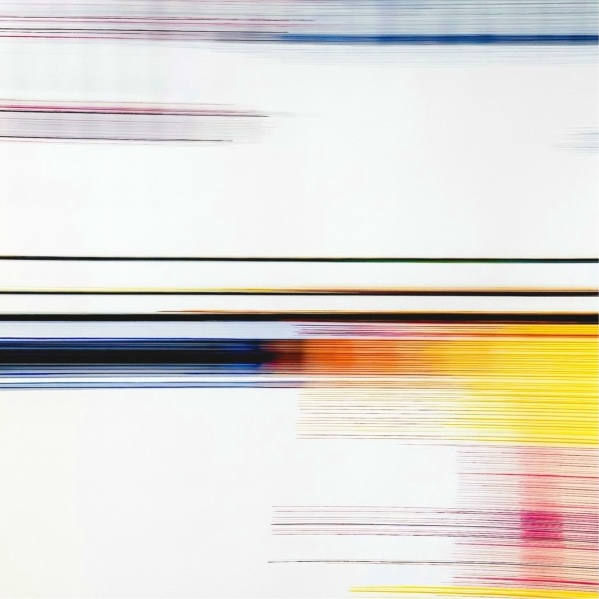 Untitled, 2026, paint, pencil, pastel, burnishing, mixed media over photography on paper, 20x20 in
Even then, she gets the shot, prints it out, and starts adding physical elements to the work—maybe watercolor or graphite—to enhance the seemingly small details that add depth with sharper lines or deeper hues, for example.
That process takes time. But, to Clifton, it doesn’t feel sluggish. It feels deliberate and creates a physicality to a photograph. Paired with the unhurried pace of Marfa itself, it creates a whole world that the audience can fall into.
“For me, waiting for the train and the exact, perfect moment doesn’t frustrate me at all. Marfa lends itself to being patient and enjoying the moment,” she says.
This kind of patience has grown over her career. Clifton started as a wedding photographer during a time when analog cameras were the default. So the pressure to be in place for the right shot at any given time was real and necessary.
But, for one wedding she shot last minute, she changed it up. She got the bride to stand as still as possible as the crowd was lost in dance around her. Clifton opened her exposure up, snapped the shot, and out came this dreamscape of stillness in the motion. This opened Clifton's eyes to what we now see as a signature element of her style: painting with light.
“That image was not just a split second. This whole painting happened in front of me. I realized I didn’t have to be so specific. Things can become more dream-like.”
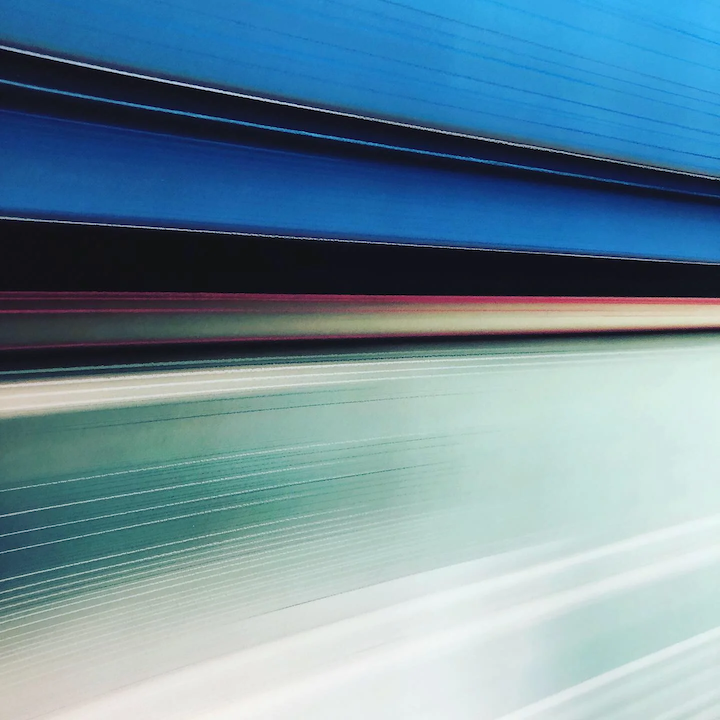 Untitled, paint, pencil, pastel, burnishing, mixed media over photography on paper
Marfa Daydream is a curated example of where that lesson has brought her so many years later. You see colors that she couldn’t completely control, but she could enhance them through her process. You see a fraction of a second that she couldn’t pause, but she could stretch it across her lens. Clifton’s work in this new exhibition is both a love letter to her craft and to the town that’s seen it grow so much over the years.
Marfa may be a slow-paced town, and her work itself may take a patient process to finish, but once it’s done and you see what she’s been able to do not just through a camera but through her multimedia practice, you see that she’s constantly moving forward creatively and pulling the audience along with her.
She says, “I have this way of just pushing the limits as far as they can go.”
In Marfa Daydream, she reaches new heights in her artistic practice and the depth of expression she brings to what we experience as the audience, bringing you a sense of reflection on her work, Marfa, and whatever eyes you're interpreting her work through.
You can learn more about Clifton at www.leanaclifton.com and follow her on Instagram @leanacliftonart

Victor Sledge
Victor Sledge is an Atlanta-based writer with experience in journalism, academic, creative, and business writing. He has a B.A. in English with a concentration in British/American Cultures and a minor in Journalism from Georgia State University. Victor was an Arts & Living reporter for Georgia State’s newspaper, The Signal, which is the largest university newspaper in Georgia. He spent a year abroad studying English at Northumbria University in Newcastle Upon Tyne, UK, where he served as an editor for their creative magazine before returning to the U.S. as the Communications Ambassador for Georgia State’s African American Male Initiative. He is now a master’s student in Georgia State’s Africana Studies Program, and his research interest is Black representation in media, particularly for Black Americans and Britons. His undergraduate thesis, Black on Black Representation: How to Represent Black Characters in Media, explores the same topic.