Whitehot Magazine
October 2026
"The Best Art In The World"
"The Best Art In The World"
October 2026
Tatia Franchetti Twombly: Tender Moments Lost in Time, Now Found
By EWA MONIKA ZEBROWSKI August 10th, 2026
Ogni mistero si risolve col tuo attendere
Ogni amore si riconduce al tuo completamento
— Clemente Franchetti
Every mystery will be resolved, in the end.
Every love will make you whole, in the end.
Tatiana (Tatia) Franchetti Twombly was born in Rome in 1934 into a noble Venetian family that owned Ca' d'Oro from 1916 to 1975 (it is now a celebrated museum). Surrounded from childhood by beauty, art, and nature, Tatia developed an instinctive photographic eye, quietly recording family and friends in intimate black-and-white portraits that captured fleeting, suspended moments.
In 1957 she met the young American artist Cy Twombly at the beginning of his career.
They married in 1959, and soon after their son Alessandro was born.
More than sixty years later, history quietly resurfaced.
In 2022 Maia Twombly, Cy and Tatia's granddaughter, discovered a forgotten box containing nearly 9,000 negatives in the attic of what had once been her grandmother's country house in Ronciglione.
History in a box.
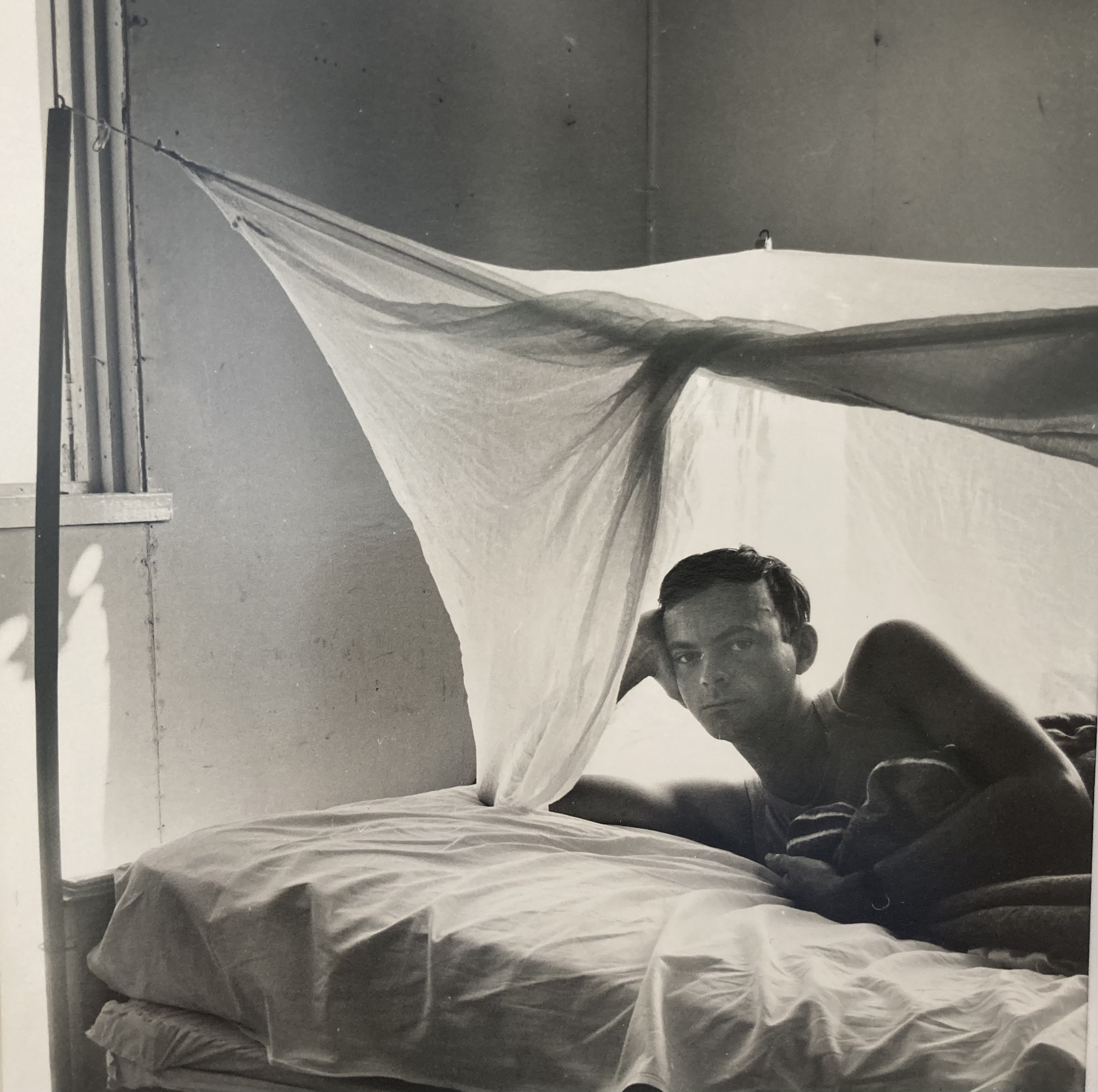
Cy -Yucatan, 1959. © Tatia Franchetti Twombly
Maia had been only a child when Tatia died in 2010. Drawn by curiosity and affection, she began the painstaking process of examining the negatives, selecting images, producing scans, and making prints. Weeks turned into months as an extraordinary photographic archive slowly revealed itself—a hidden world of family, friendship, and everyday beauty.
Tender moments, lost in time.
From this remarkable discovery came Stella Honey, a generous and deeply personal publication that introduces Tatia Franchetti Twombly to a wider audience as an artist in her own right. It is also an act of restoration. Like many gifted women of the 1950s and 1960s, Tatia's creative work remained largely overshadowed by that of her celebrated husband. Maia's book gently restores that balance.
The photographs, reproduced as rich duotones, do not unfold chronologically. Instead, they appear as memory itself appears—fragmentary, associative, quietly unfolding. One image echoes another. A gesture recalls a distant place. The sequence resembles remembrance more than documentation, allowing the viewer to wander freely through the intimate landscape of a family's life.
The book reminds us of the enduring importance of personal archives.
Tatia's photographs reveal a private world that has remained largely unseen: candid portraits of family and close friends, quiet domestic scenes, travels, celebrations, moments of contemplation, and everyday life observed with remarkable sensitivity. There is nothing theatrical about these photographs. Their power lies precisely in their intimacy.
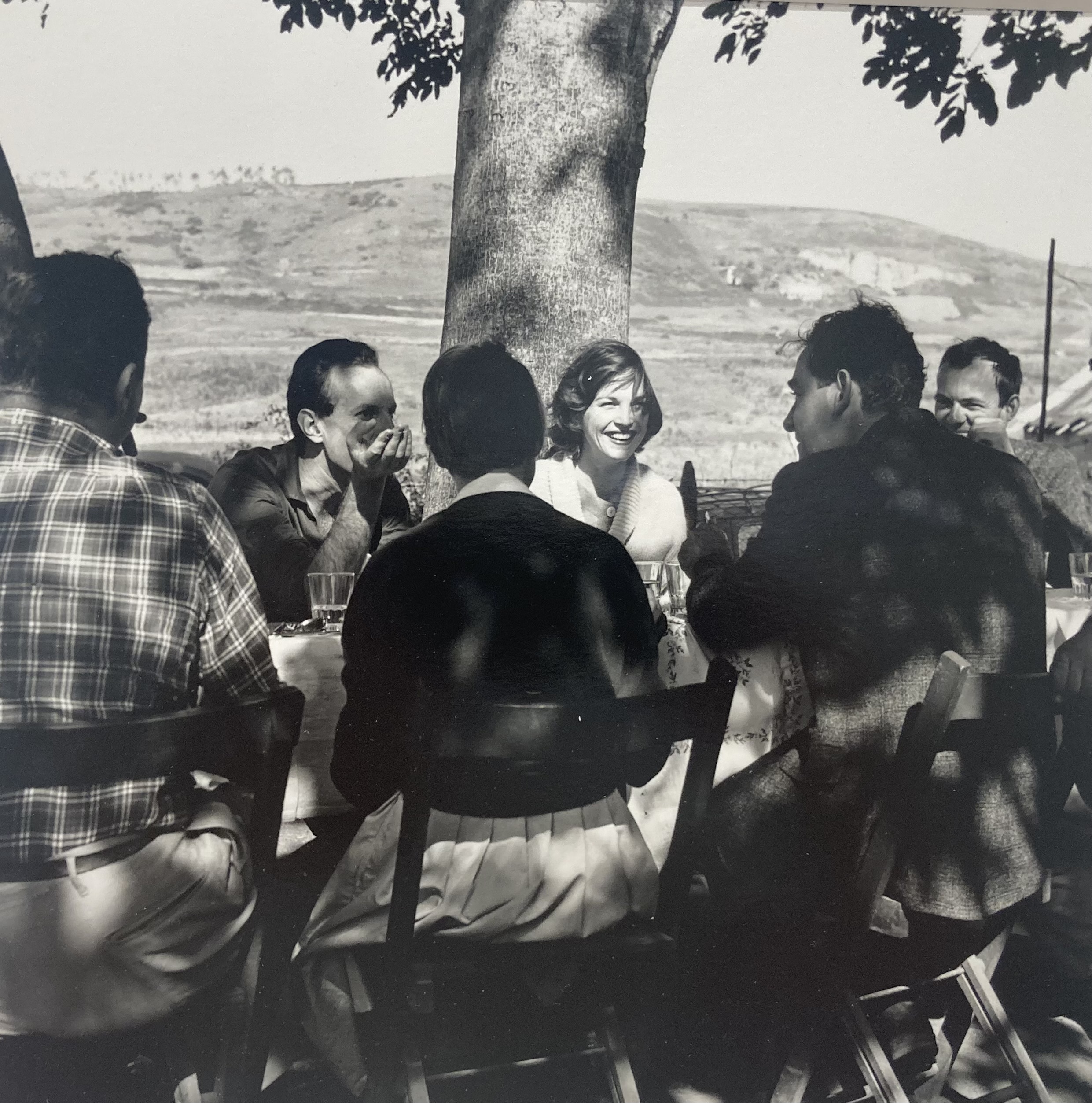
Betty and Alvise du Robilant, Giorgio Franchetti, and Cy – Lazio, 1958. © Tatia Franchetti Twombly
While sorting through family letters, Maia discovered an affectionate nickname Cy had used for his wife—Stella Honey. She chose it as the title of the book, preserving a private expression of love that now resonates throughout the entire project.
Cy and Tatia lived what many would consider an enchanted life. Their home on Via Monserrato in Rome, near Piazza Farnese, was filled with paintings, antiquities, books, and conversation. In 1966 Horst photographed them in their home for Vogue in the celebrated feature "Roman Classic Surprise." Today those portraits have themselves become part of the visual history of postwar Rome.
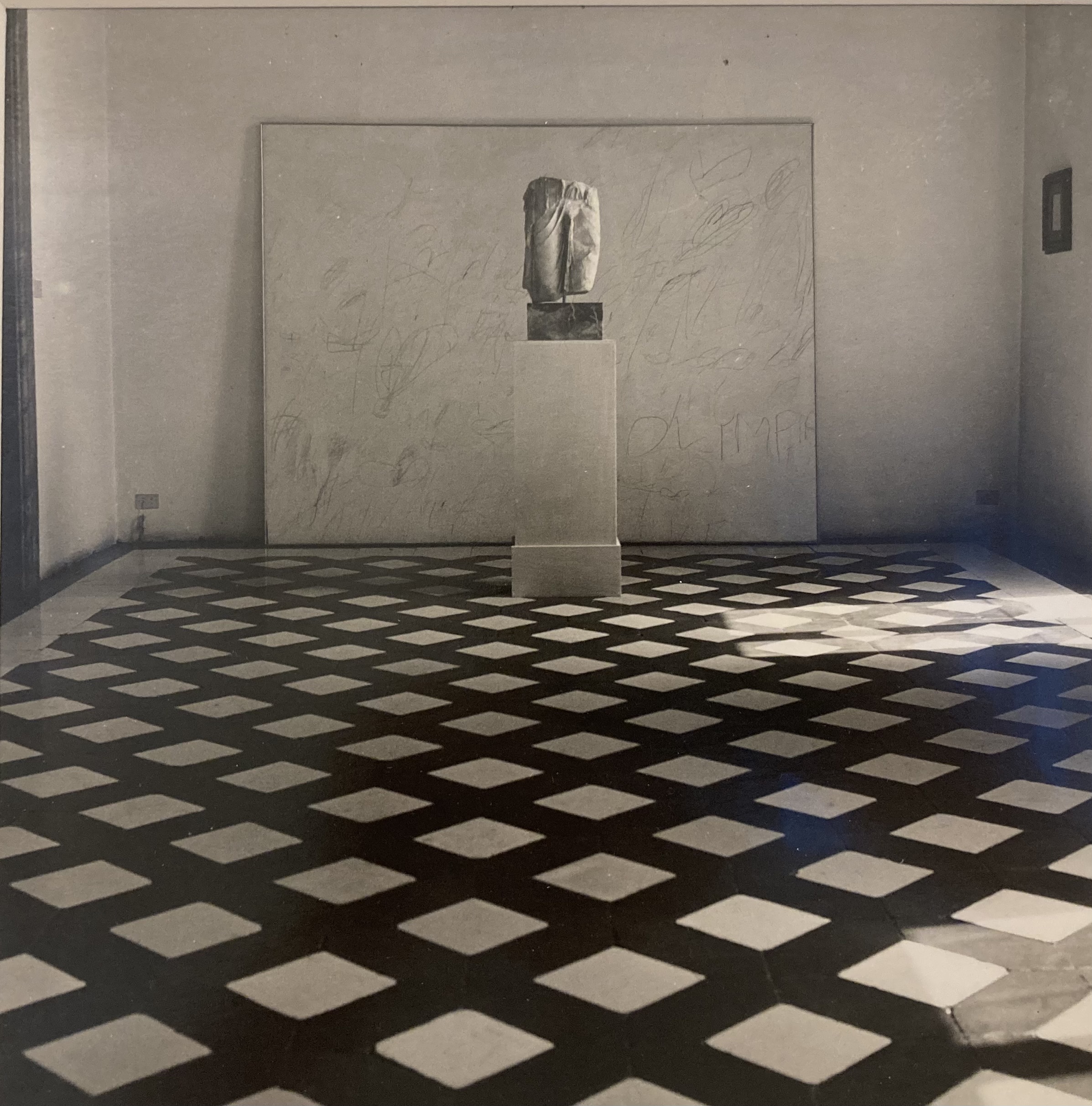
Via Monserrato, 1962. © Tatia Franchetti Twombly
Cy Twombly had first arrived in Rome in 1957 while travelling through Europe with Robert Rauschenberg after their studies at Black Mountain College. He chose Rome over the increasingly competitive New York art world, finding in Italy the landscape, history, and classical imagination that would profoundly shape his work. He loved his Roman life.
Tatia became both companion and witness to that artistic journey.
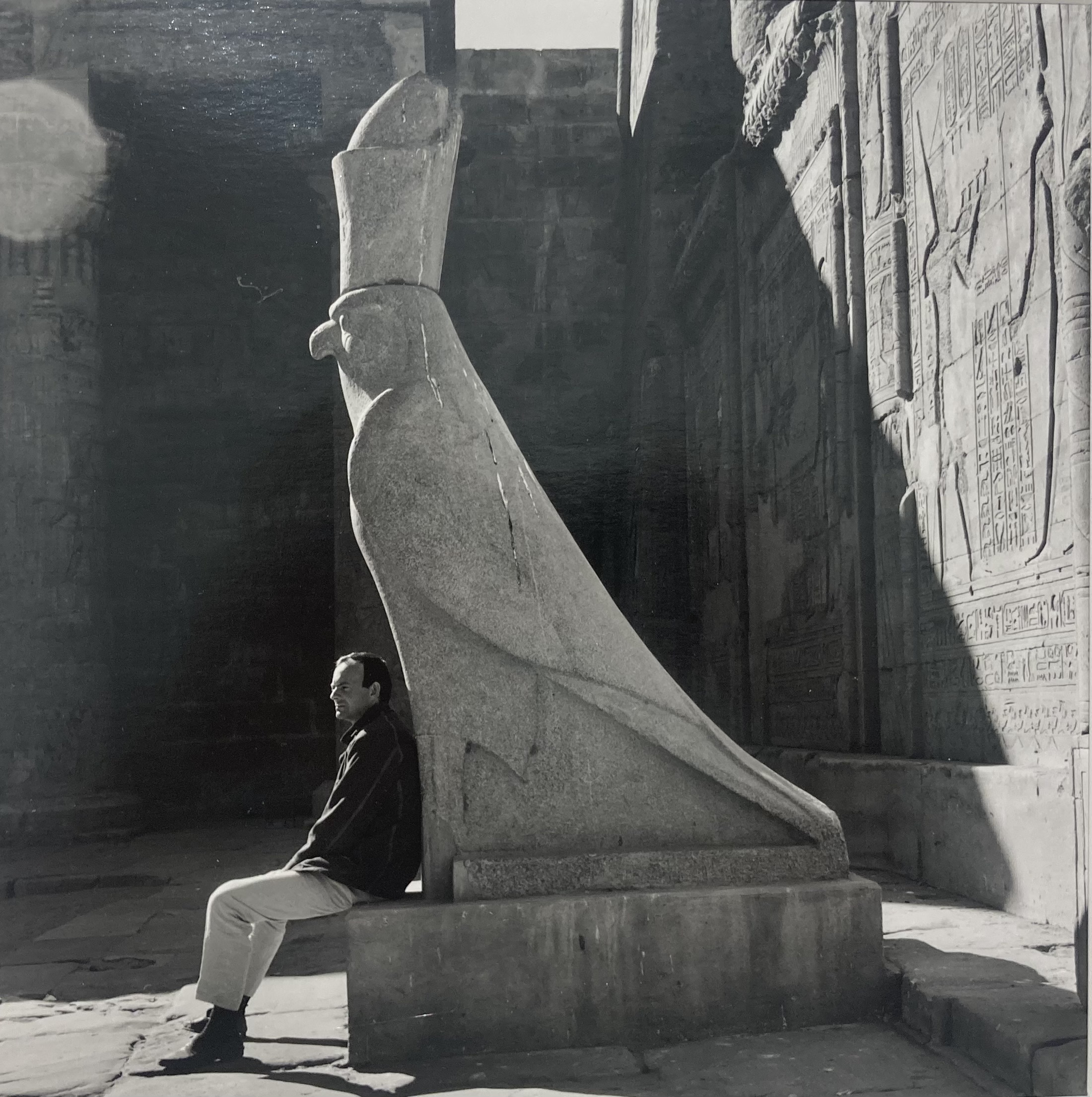
Cy - Egypt, 1962. © Tatia Franchetti Twombly
Her photographs of Cy in his studios between 1959 and 1963 are among the book's greatest treasures. They are unposed, spontaneous, almost invisible in their quiet observation. We encounter the artist absorbed in work, lost in thought, standing before blank canvases long before international recognition arrived. The images reveal all, they hide nothing.
Equally moving are Tatia's photographs of Cy with their young son Alessandro. The portraits of father and son reveal the deep affection between them. Tender moments. Cy gazing into a crib, Cy holding his son tightly in his arms, Cy and Alessandro playing on the beach building sandcastles. The father discovering his son. In some photographs we see Alexander alone in the Monserrato apartment, poignant portraits of an only child.
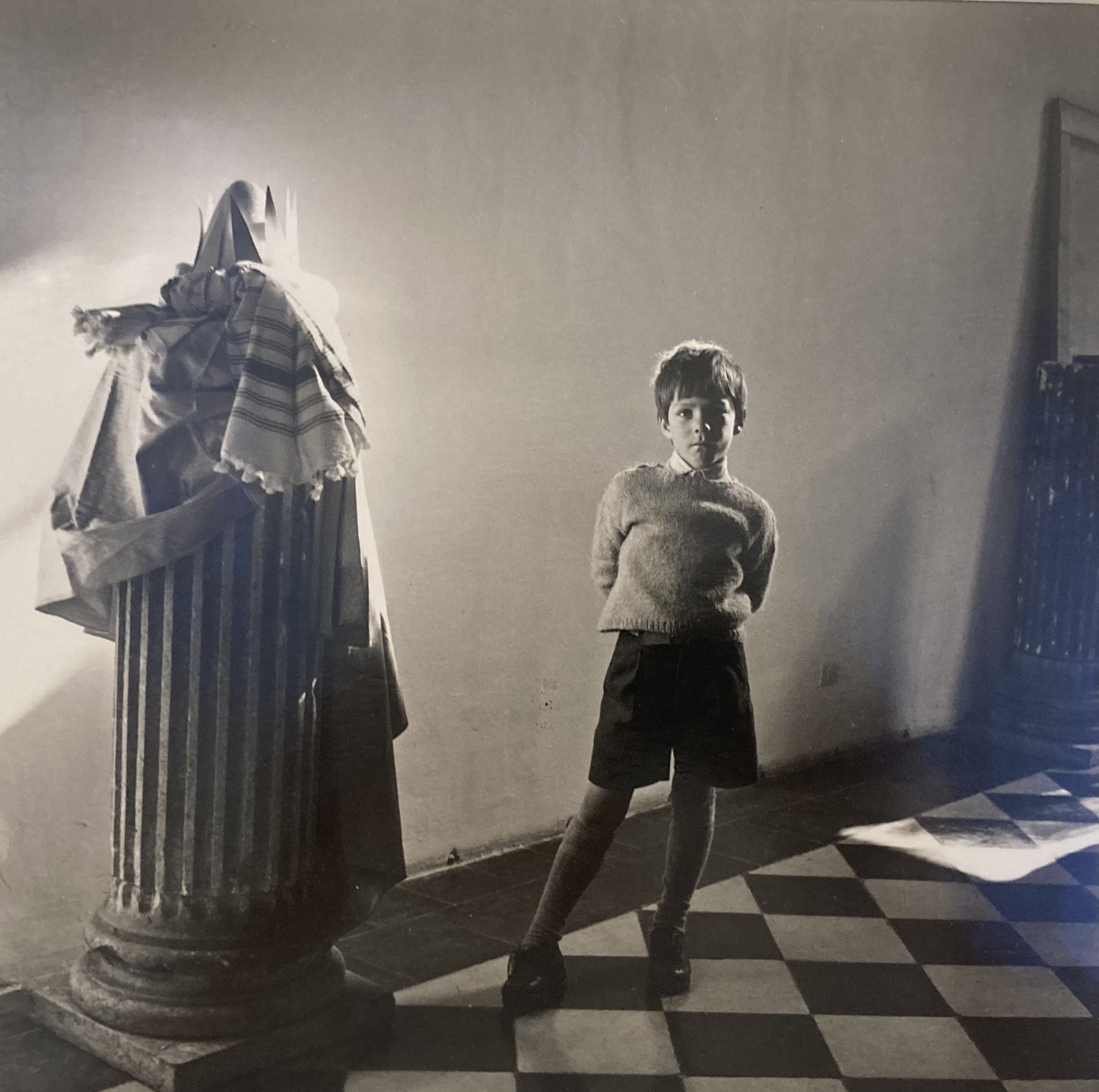
Alessandro - Via Monserrato, c. 1965-1966. © Tatia Franchetti Twombly
Many photographs move beyond the family altogether. Their anonymous subjects possess a cinematic quality reminiscent of Italian Neorealism. Men gathering after a boar hunt. Children playing along the coast of Lazio. Alessandro's nanny carrying him through a Roman market. Boys proudly displaying their mushroom harvest in the Dolomites. These images celebrate ordinary life with warmth, dignity, and luminous natural light.
Travel also became an essential part of Tatia and Cy's shared life. Together they explored Egypt, Greece, Turkey, Mexico, Morocco, Cuba, and many other places. Throughout these journeys Tatia continued to photograph Cy—not as the celebrated artist history would later remember, but as husband, traveller, companion, and dreamer. Her camera reveals both his contemplative nature and his playful spirit.
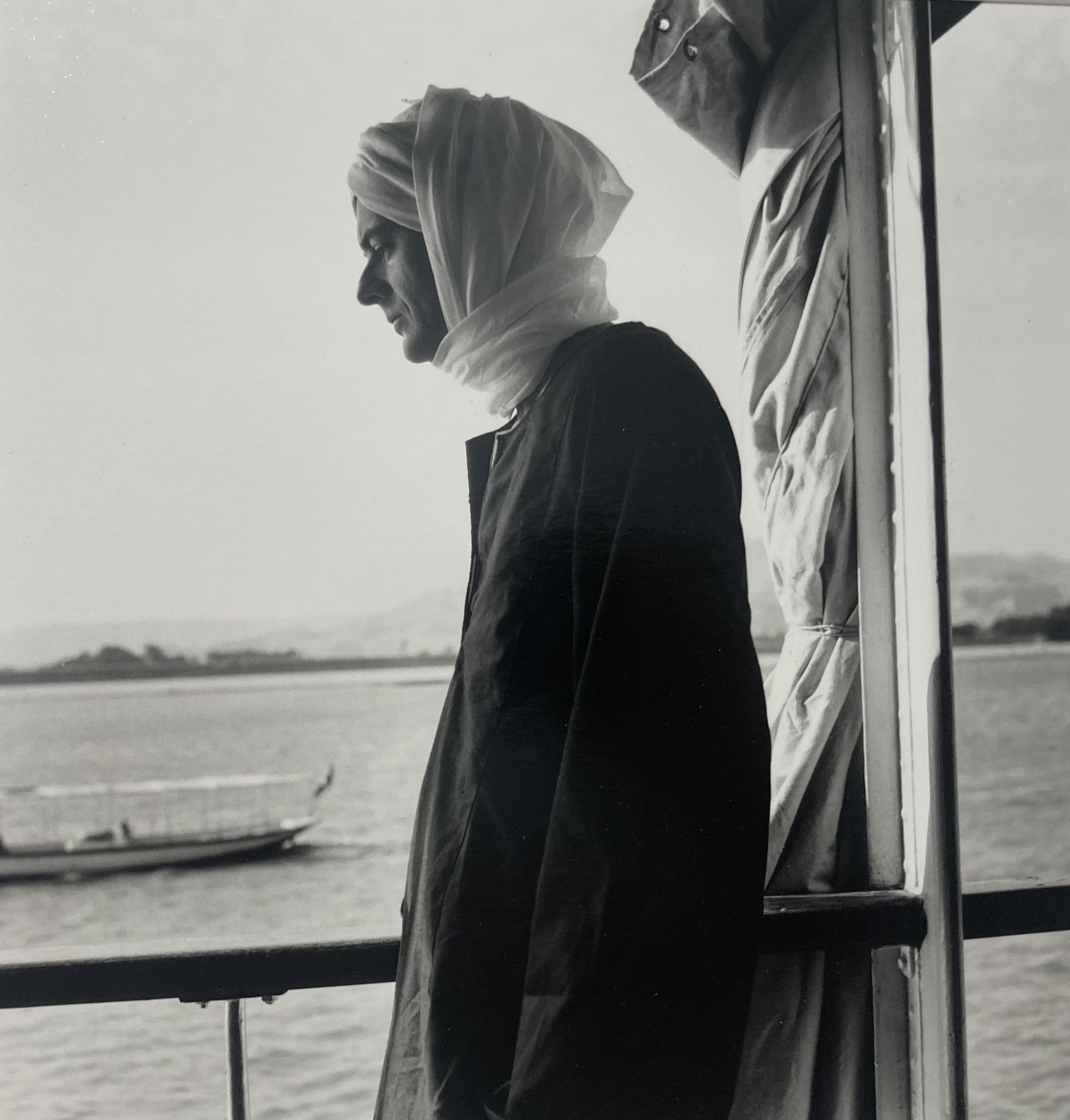
Cy - Egypt, 1962. © Tatia Franchetti Twombly
Stella Honey, published by Reference Press in London in 2026, is beautifully produced as a large-format hardcover volume containing 176 pages and 117 finely reproduced duotone plates. Thoughtful essays by Maia Twombly, Isabella Ducrot, Nicholas Cullinan, and Jonah Freud appear in both English and Italian, enriching the visual narrative without overwhelming it.
The publication, launched during the Venice Biennale, preceded the exhibition Stella Honey at Spazio Trecanni Arte in Rome, curated by Isabella Tucci. The exhibition expanded upon the book by presenting additional photographs, paintings by Tatia, and personal ephemera that further illuminated her creative life. Installed throughout the beautifully restored gallery, the photographs acquired an almost cinematic presence. I had the good fortune to experience the exhibition while visiting Rome this summer.
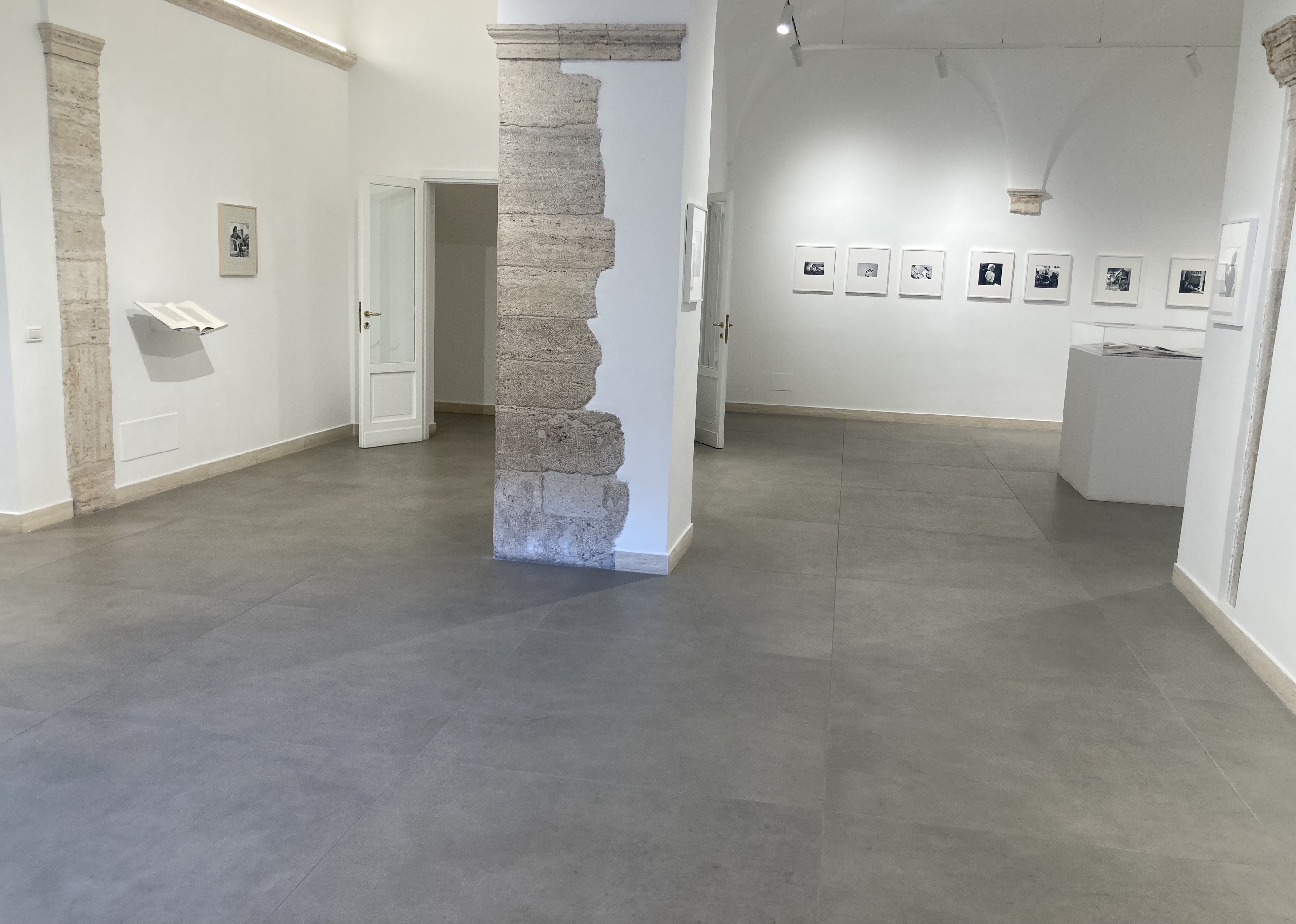
Installation view, "Stella Honey", Spazio Trecanni Arte, Rome (4 June - 31 July 2026). © Ewa Monika Zebrowski
Stella Honey is far more than a family album. It is an act of remembrance and artistic recovery. Through Maia Twombly's thoughtful stewardship of her grandmother's archive, Tatia Franchetti Twombly finally emerges not simply as Cy Twombly's wife, but as an accomplished photographer whose quiet, perceptive gaze preserved a world that might otherwise have disappeared.
These photographs remind us that archives do more than preserve history. They rescue tenderness from time.
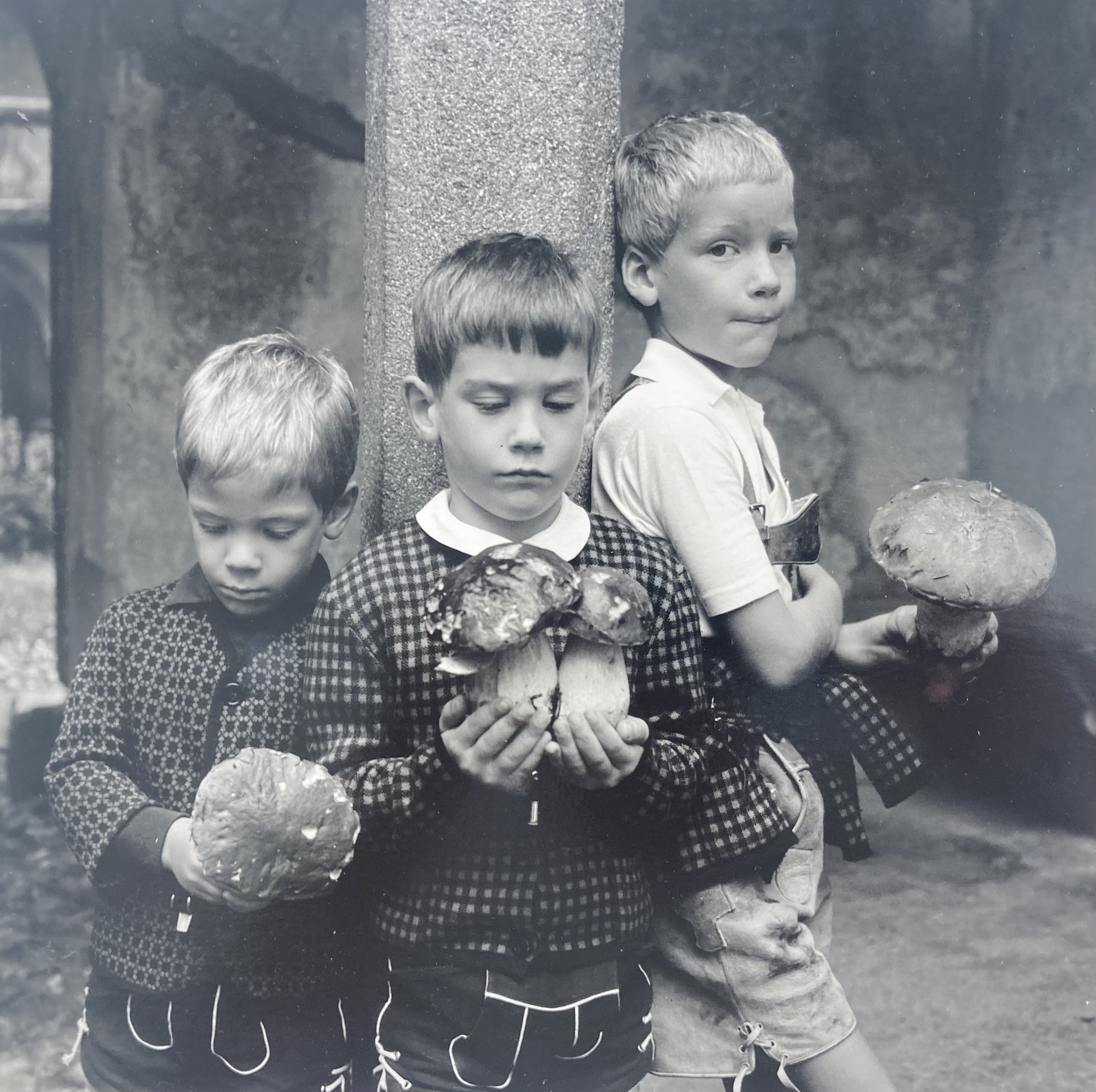
Clemente, Stefano, and Andrea Franchetti – Val Gardena, 1956. © Tatia Franchetti Twombly
The photographs by Tatia Franchetti Twombly shown in this article were documented by Ewa Monika Zebrowski during the exhibition Stella Honey in the Spazio Trecanni Arte in Rome 2026.

Ewa Zebrowski
Ewa Monika Zebrowski is a writer and photographer based in Montreal.
Photo by Maxine Marcovitch
view all articles from this author