Whitehot Magazine
October 2026
"The Best Art In The World"
"The Best Art In The World"
October 2026
Artist JJ Hammond Interviewed by Marcarson
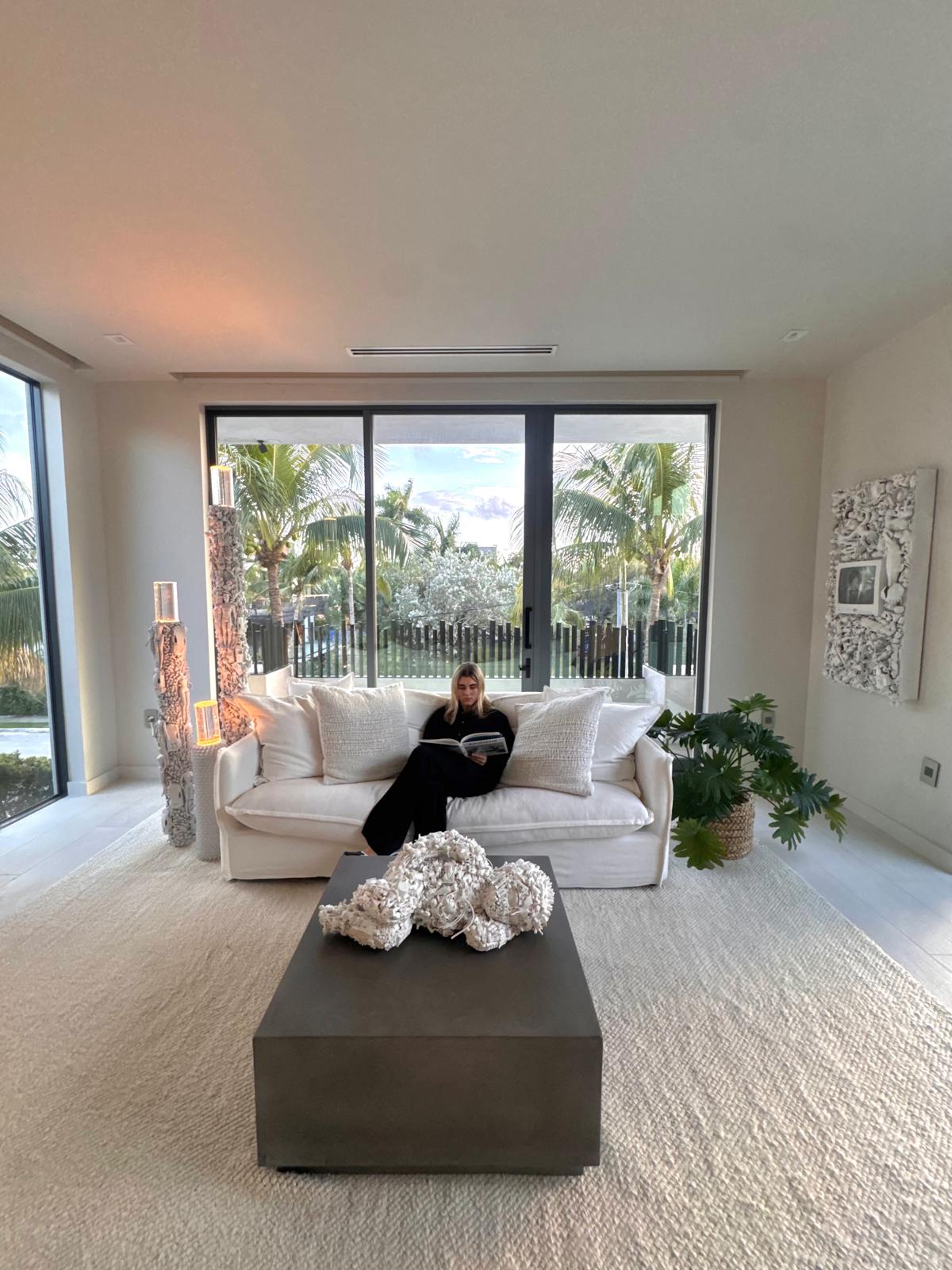 Artist JJ Hammond
By MARCARSON, March 14th, 2026
Marcarson: When you look back at your early work, what’s the biggest shift you see in how you make decisions now — materials, pacing, or restraint?
JJ Hammond: Early on, I’d make the work first and reverse–engineer the meaning later. Today, writing and thinking come first, so the work is anchored in specific memories, events, and feelings. It used to be work first, text after. Material-wise, the obsessions have stayed: toys, light, and now candles. I still move fast. I usually finish work in days, because once an idea arrives, I feel an almost irrational urgency to get it out of my head and into the world before it moves on to someone else.
How do you know when a piece is finished versus when it’s just reached a point where you’re afraid to ruin it?
I don’t believe in “ruined.” If something shifts, it was meant to. When I first worked with resin in high school, I ignored the ratios and destroyed a piece, black resin dripping everywhere. My teacher called it ruined. I didn’t. That disaster taught me that even failure becomes material. Nothing is ever really over; it just becomes part of the next work.
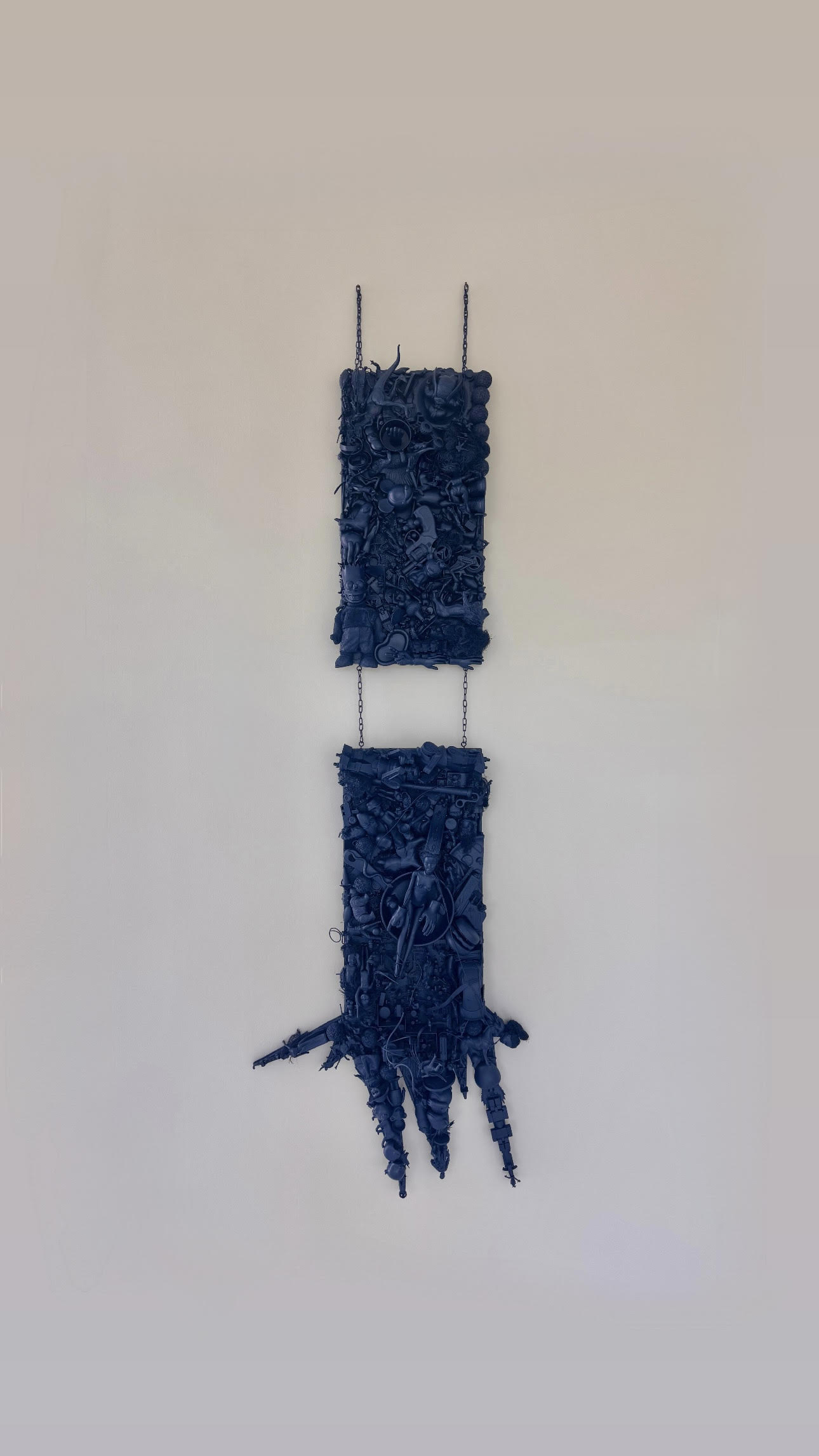 Hanging in there, wood, toys, 70 x 20 inches
What role does discipline play in your practice? Is your studio life structured, or do you work best inside controlled chaos?
My discipline looks like an obsession. If I go too long without making work, I start to feel physically off and moody. I’ve never had a pristine, traditional studio. I work wherever I can, which means I operate in controlled chaos. But inside that chaos, I’m extremely focused and relentless about finishing what I start. I’m already this intense without a “proper” studio, so I’m very aware of what’s coming once I have a space that’s fully mine.
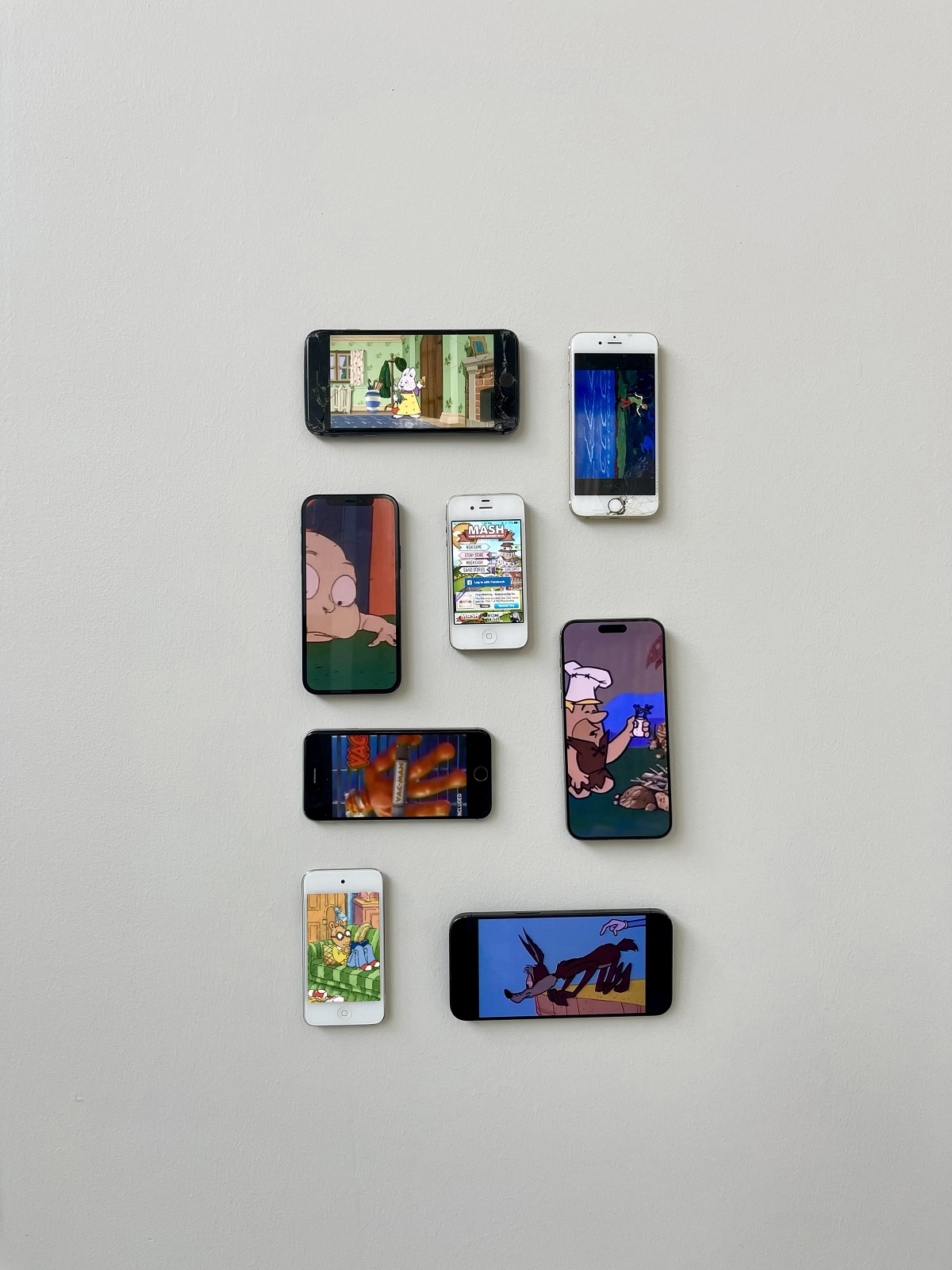
Mom, can I watch cartoons? I phones (working), 20 x 10 inches
You often work with loaded or familiar objects — how do you decide which ideas deserve the time and scale of a finished piece, and which stay experiments?
I work with objects people already have an emotional history with, kids’ toys, candles, light things that seem playful but carry memory, grief, and desire. When an idea arrives, I write or draw it immediately, or it’s gone. The ones that come with a strong emotional charge usually get made almost right away. Others sit in my sketchbooks, waiting for the right moment, the right space, or the right scale.
Has your relationship to selling work changed over time? What did you have to unlearn once your work started entering collections?
At first, I clung to the work. I’d try to recreate pieces just so I could keep the original and still sell something. Moving to New York in 2023 shifted that. The city taught me how temporary everything is: spaces, people, opportunities. The pieces are meant to be lived with by other people, to sit on their walls and in their worlds, not just mine. Letting them go became part of the work, not a loss.
What’s been the most important “no” you’ve said in your career so far — a project, a direction, or an expectation placed on your work?
I rarely say no to experiences. I’d rather say yes, live it, and if it goes sideways, let it turn into a lesson and maybe a future piece. Most of the important things in my life happened because I said yes before I felt “ready.” For me, overprotecting myself can block growth. Where I do say no is to expectations placed on the work itself. I won’t dilute my voice or force my practice into a box just to fit someone’s idea of what I “should” be making at this stage.
How do exhibitions versus private collections affect the way you think about making work? Do you approach them differently?
When I’m making, I’m not thinking “this is for a show” or “this is for a collector.” The work comes first, always. I’ve curated my own solos, done group shows, and worked with galleries, and that core approach hasn’t changed. Now that I’m moving into large-scale installations, context does matter more: how people move through a space. That affects the logistics scale, durability, and engineering, but it doesn’t touch the emotional engine of the work. That part stays pure.
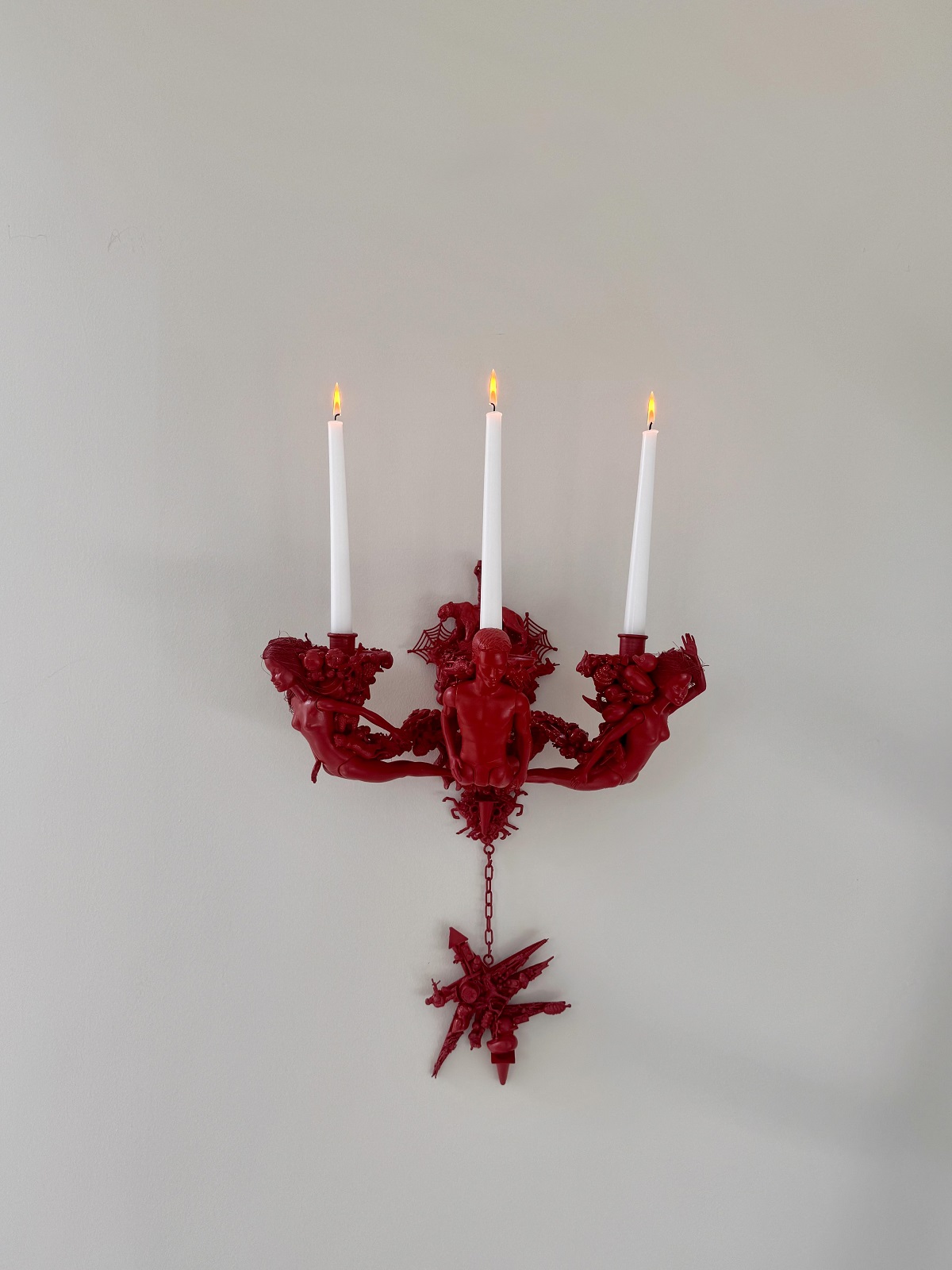
Moment, Memory Becoming. Toys, metal, candle, 24 inches, 2026
What part of the art world feels most misunderstood when it comes to your practice — process, intention, or longevity?
Longevity… and seriousness tied to age. Young artists are often treated like a “maybe later” investment. The art world still worships time, consistency, and “proven value” as the only real markers of seriousness. I respect time, but I don’t accept the idea that youth automatically equals lack of depth.There’s also a myth that galleries are the only path to legitimacy. I see galleries as partners, not gatekeepers. This generation of artists is building careers directly with collectors, online, in self-produced shows. I like collaborating, but I’m not interested in handing over all the power.
How do you protect your voice while still evolving? In other words, how do you grow without repeating yourself or abandoning what works?
Staying anchored in what I genuinely believe and experience, not in what’s trendy or expected. Noise and criticism will always exist; I don’t let them drive the car.
I actually think a certain kind of repetition is essential - committing to a language and pushing it further each time. I look at someone like Louise Nevelson staying fiercely loyal to her material vocabulary. Evolved by deepening, not abandoning. That’s the path I’m on.
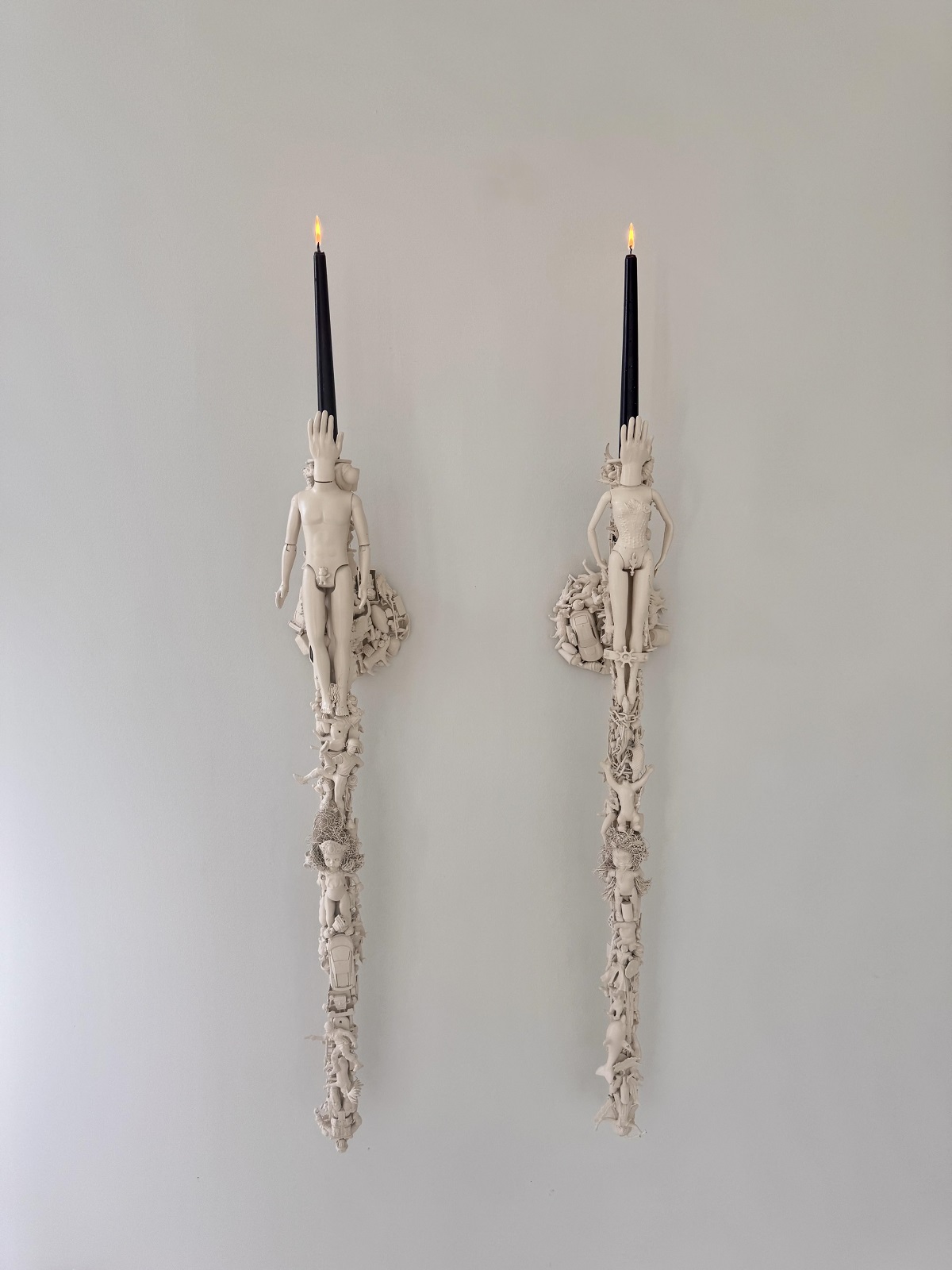 Duality. Toys, metal, candle, 24 inches, 2026
Looking ahead, what does success actually look like for you — more visibility, deeper focus, or a quieter kind of control over your career?
Success looks like large-scale installations that people can physically walk into and emotionally sit with. I keep seeing this project, “REST,” in my mind, a 50ft sleeping baby on Miami Beach. I want the work to feel as physically present as a Richard Serra piece and as emotionally charged as Mike Kelley's playful on the surface, unsettling underneath. WM

Marcarson
Marcarson is the owner of NOT FOR THEM, an art house/concept gallery in New York City.
view all articles from this author