Whitehot Magazine
September 2026
"The Best Art In The World"
"The Best Art In The World"
September 2026
Generation X at Deste Foundation
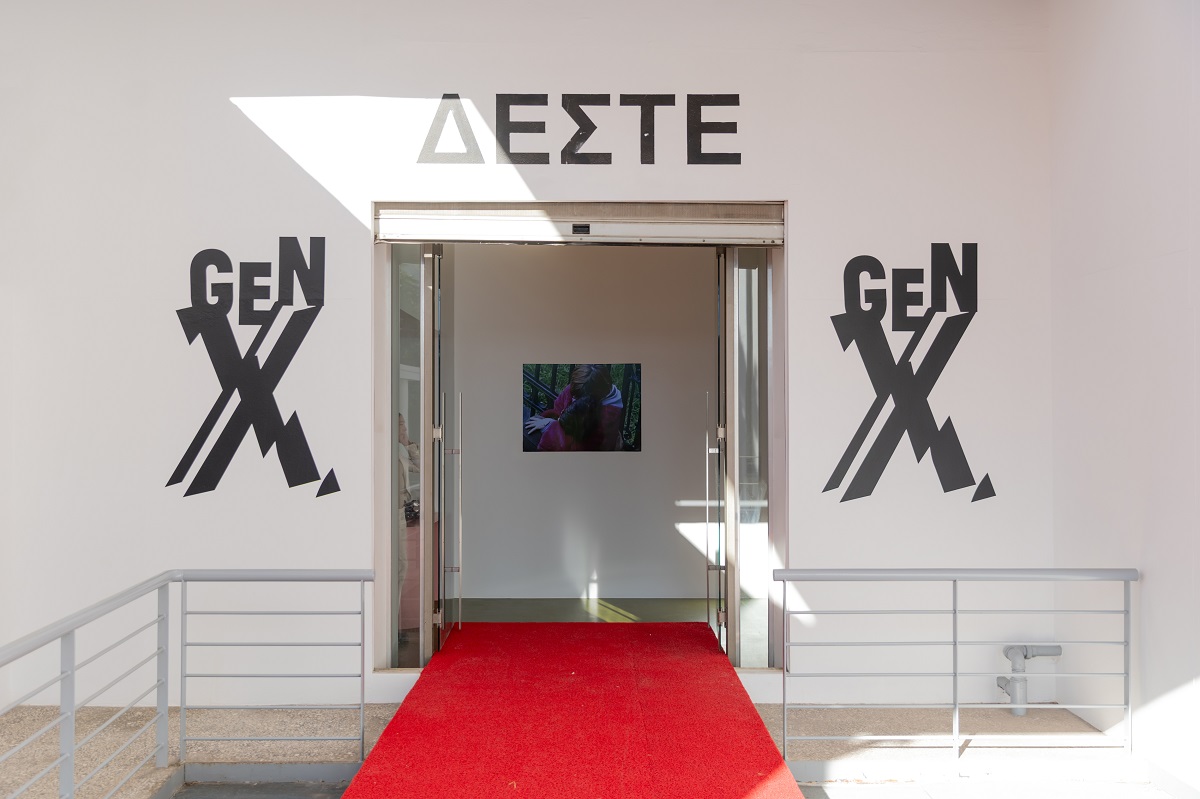 The entrance to DESTE Foundation, Athens, Greece. Photo by Pinelopi Gerasimou
By LARA PAN, July 31st, 2026
DESTE Foundation’s exhibition Generation X, curated by Massimiliano Gioni, offers a compelling homage to a generation whose cultural impact extends far beyond Douglas Coupland’s seminal novel. Rather than simply revisiting a historical moment, the exhibition presents Generation X as the architects of the post-digital condition, a generation that fundamentally reshaped the relationship between art, music, media, technology, and society.
It was particularly refreshing to encounter works by artists whose practices are not always visible within today’s increasingly market-driven artistic landscape. Drawn from the DESTE Collection, the exhibition reveals both celebrated masterpieces and lesser-known treasures, reaffirming the collection’s considerable depth, historical significance, and enduring commitment to artists whose ideas continue to resonate with profound relevance today.
Generation X transformed cultural resistance into systems thinking, redefining artistic practice through networks, language, participation, and technological consciousness. Rather than asking how to oppose existing structures, many artists of this generation began questioning how systems themselves produce meaning, identity, and reality. In doing so, they laid the intellectual foundations of today’s post-digital culture, translating the spirit of punk into sophisticated critical frameworks that continue to shape contemporary art, media, technology, and society.
Perhaps the greatest legacy of Generation X lies in its understanding that culture is not merely a reflection of its time, but an evolving system that continuously reshapes our perception of the world. These artists recognized early on that technology was not simply a tool, but a new environment, one that would transform how we communicate, think, and construct our own identities. The timing of this exhibition could not be more relevant. Revisiting these artists is not an exercise in nostalgia, but a necessary opportunity to reconsider the origins of many ideas that continue to define contemporary culture and to recognize their profound influence on younger generations of artists.
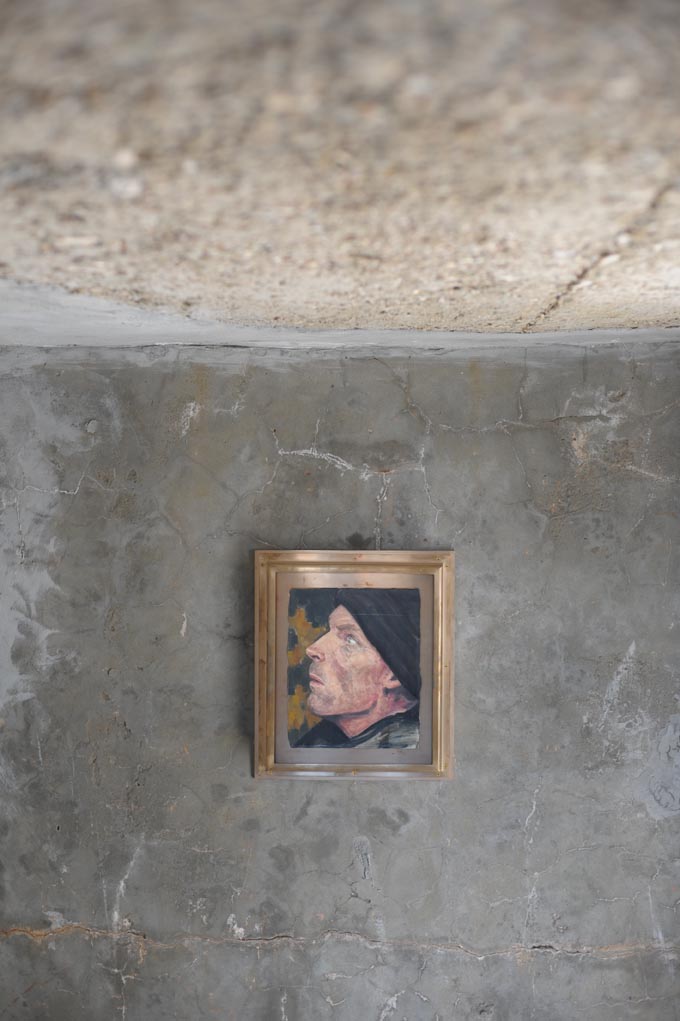 Elizabeth Peyton, Blood of Two (Element A), 2009
© the artist
Photo: Hugo Glendinning; courtesy of the DESTE
Foundation
The exhibition brings together an extraordinary constellation of artists, including David Altmejd, Doug Aitken, Matthew Barney, Vanessa Beecroft, Huma Bhabha, Kerstin Brätsch, Maurizio Cattelan, Paul Chan, Dan Colen, Roberto Cuoghi, Nathalie Djurberg, Cheryl Donegan, Olafur Eliasson, Haris Epaminonda, Urs Fischer, Douglas Gordon, Cameron Jamie, Maria Joannou, Elizabeth Peyton, and many others. Together, these artists demonstrate the remarkable diversity of practices that emerged from Generation X while sharing a common intellectual ambition: to challenge established narratives and expand the very definition of artistic practice.
 Douglas Gordon, Monument for X, 1998 (video still)
© the artist; courtesy of the DESTE Foundation
Beyond this broader historical perspective, the exhibition also invites a closer examination of individual practices that embody the complexity and interdisciplinary spirit of Generation X.
Through artists such as Cameron Jamie, Doug Aitken, Matthew Barney, and Elizabeth Peyton, Generation X reveals not only a defining historical moment but also an ongoing intellectual legacy: the transformation of the artist’s role from the producer of objects into a researcher, observer, storyteller, and critical interpreter of the complex systems that shape our lives.
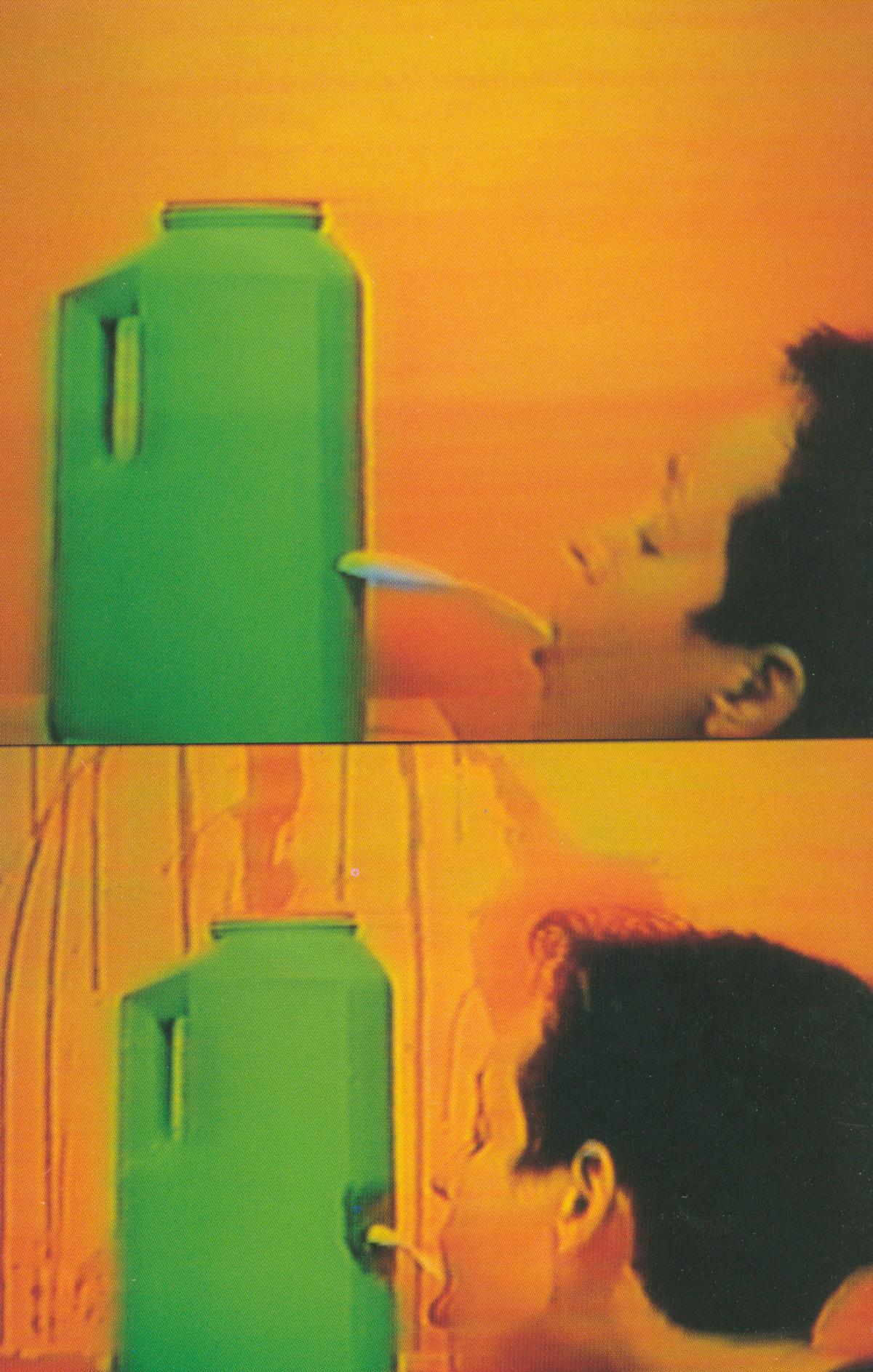 Cheryl Donegan, Head (Versions 1 & 2), 1993 (video still)
© the artist; courtesy of the DESTE Foundation
What makes this generation particularly significant is its ability to exist between worlds - between analog and digital, individual and collective, material and immaterial. Generation X artists explored the unstable territory between reality and representation, anticipating a moment when images, information, and identities would become increasingly fluid. Their work reminds us that art is not only a mirror of society, but also a mechanism through which society learns to imagine new possibilities.
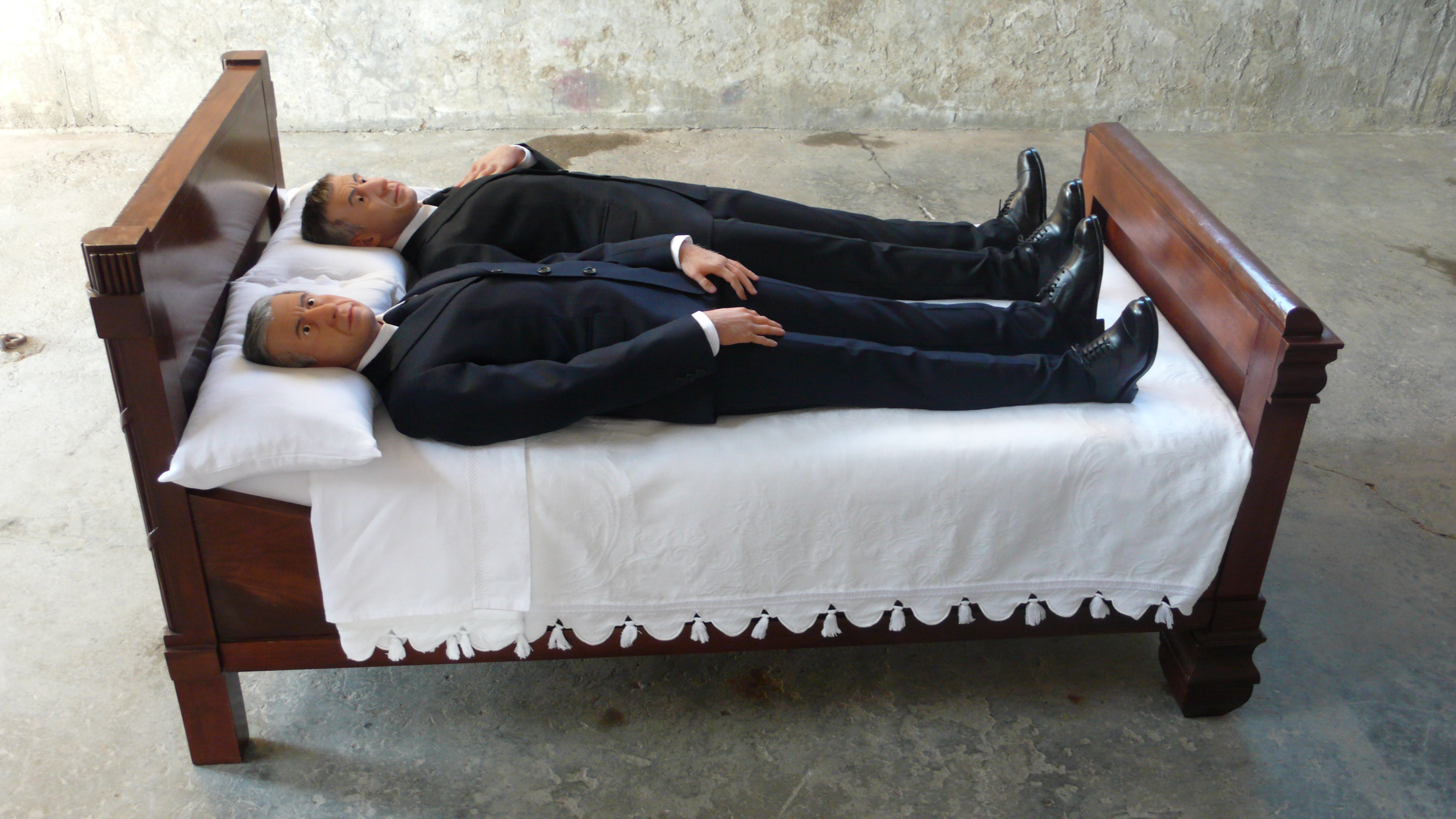 Maurizio Cattelan, We, 2010
© the artist; courtesy of the DESTE Foundation
More than an homage to a generation, Generation X demonstrates how deeply the ideas developed during the 1980s and 1990s continue to inform the present. It reveals a generation that anticipated many of today’s cultural, technological, and philosophical debates long before they entered mainstream discourse. The exhibition ultimately argues that the influence of Generation X is not confined to art history; it remains embedded in the very structures through which we experience contemporary life.
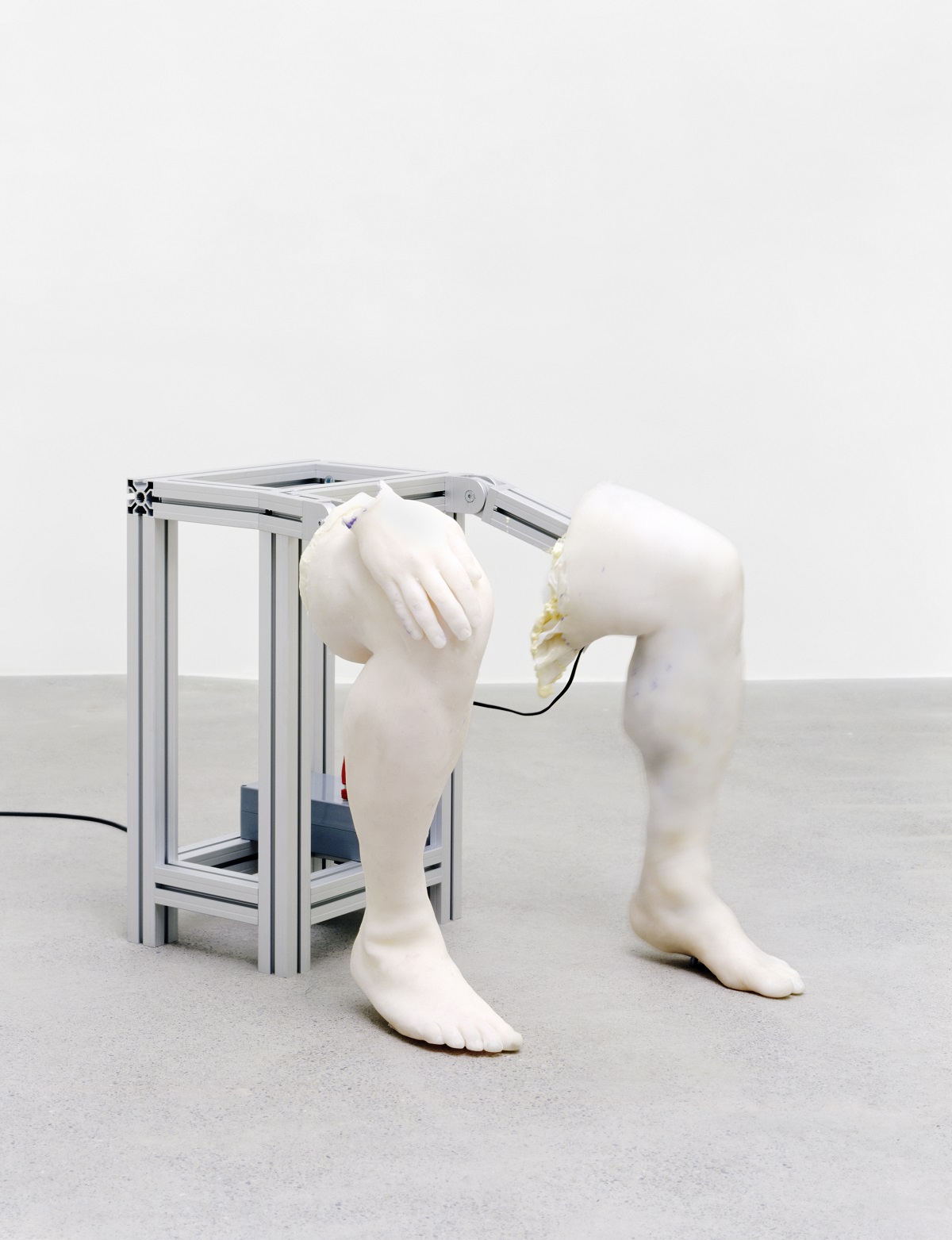 Urs Fischer, Paris 2006, 2006
© the artist; courtesy of the DESTE Foundation
Through the pioneering work of the DESTE Foundation, the exhibition also reaffirms Athens as one of Europe’s most intellectually vibrant cultural capitals. For decades, the Foundation has played a pivotal role in shaping international contemporary art discourse, consistently presenting exhibitions that combine historical insight with conceptual rigor. Generation X stands as another testament to this enduring legacy, demonstrating the Foundation’s continued ability to present exhibitions of outstanding historical relevance, critical depth, and cultural significance.

Lara Pan
Lara Pan is an independent curator,writer and researcher based in New York. Her research focuses on the intersection between art, science, technology and paranormal phenomena.
view all articles from this author