
Whitehot Magazine
October 2026
"The Best Art In The World"
"The Best Art In The World"
October 2026
Interview with Avalon Ashley Bellos: a New York–based art-world executive, curator, writer, and cultural strategist
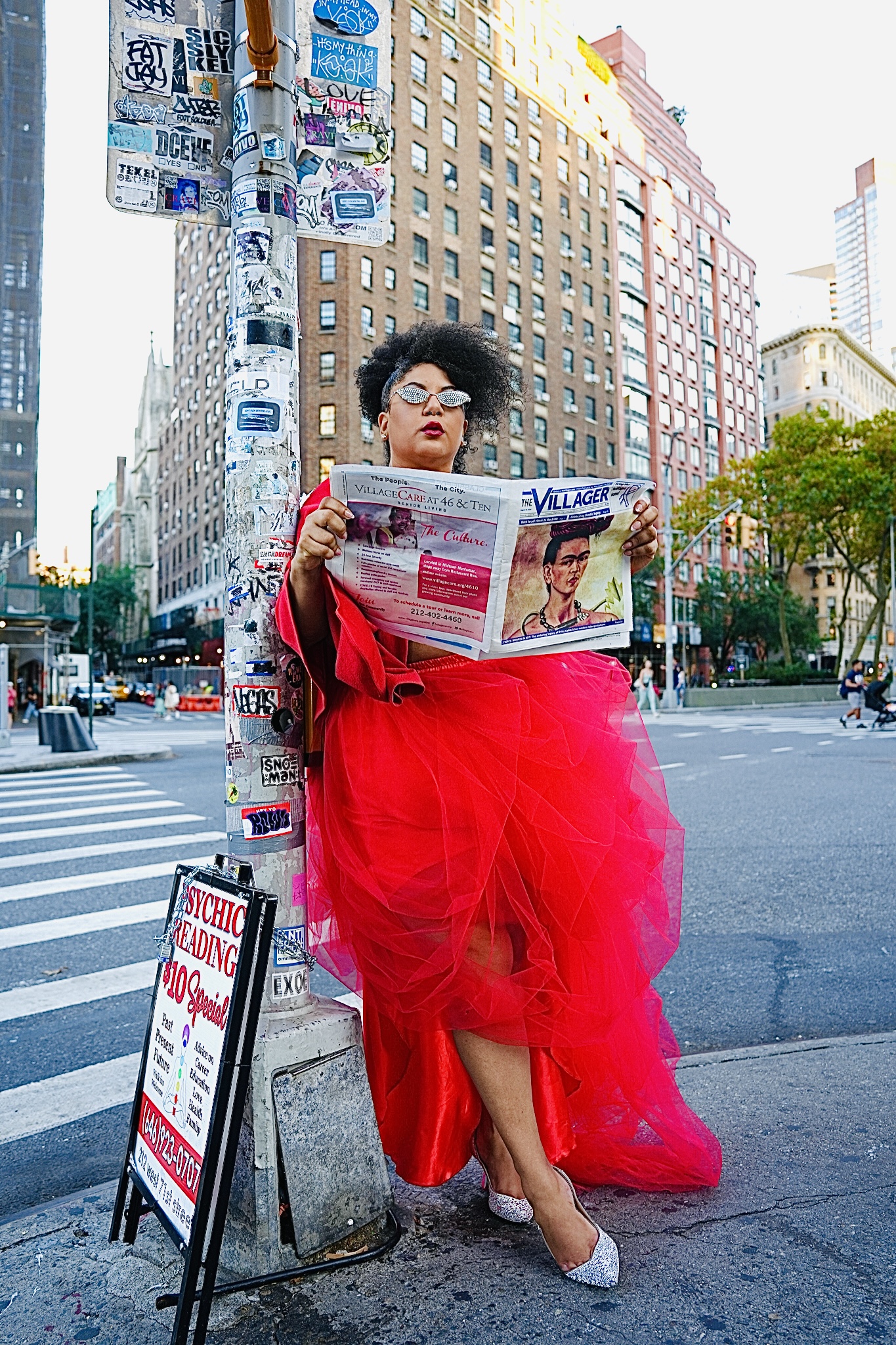 Avalon Ashley Bellos
By MARCARSON December 16th, 2025
Avalon Ashley Bellos is a New York–based art-world executive, curator, writer, and cultural strategist operating at the intersection of contemporary art, luxury, finance, and media. With over a decade of experience in high-level acquisitions, artist development, and institutional relationship-building, Bellos has built a multi-arm ecosystem that reframes art as both cultural capital and long-term asset. Her work spans gallery leadership, editorial authorship, private sales, curatorial programming, and art investment—bridging intellectual rigor with market intelligence.
The following is our conversation for Whitehot Magazine...
How do you define power in today’s art world, and how has that definition changed for you?
Power, to me, is presence—how one enters a room, how one holds their ground, how clearly one thinks while everything else accelerates. I have always believed that visual boldness and intellectual rigor are not opposing forces. Early in my career, power appeared external: access, proximity, visibility. Over time, it became internal. It resides in judgment, authorship, and the confidence to move with deliberation rather than haste.
Now, power is the capacity to guide momentum without eroding meaning. It is knowing precisely when to step forward and when to allow the work its own voice. That discernment is neither instinctive nor accidental; it is cultivated.
 Installation view, Connor Wright "Alexa Truth or Dare" at 545 west 23rd st. New York, NY, curated by Jesse Firestone, photo by Max Yawney
AA Luxury Atelier prioritizes restraint over spectacle—why is discernment such a strategic value now?
We are living inside an overexposed culture. Images circulate relentlessly, urgency is constant, and spectacle has become a default mode rather than a considered gesture. Discernment offers something rarer and far more compelling: trust. It signals to artists and collectors alike that their intelligence will be engaged, not overwhelmed.
Restraint is not an absence of energy. It is the intentional calibration of it. Much like exceptional design, it depends on proportion, balance, and the confidence to stop at exactly the right moment. That precision creates gravity.
How do you balance curatorial rigor with market intelligence in your work?
I do not experience them as opposing forces. Curatorial rigor safeguards depth and integrity; market intelligence ensures endurance. The balance emerges through attentive listening—to the artist, to the work itself, and to the market—without permitting any single voice to dominate prematurely. My role is interpretive. I move between worlds, aligning meaning with momentum so that value accrues organically rather than being imposed.
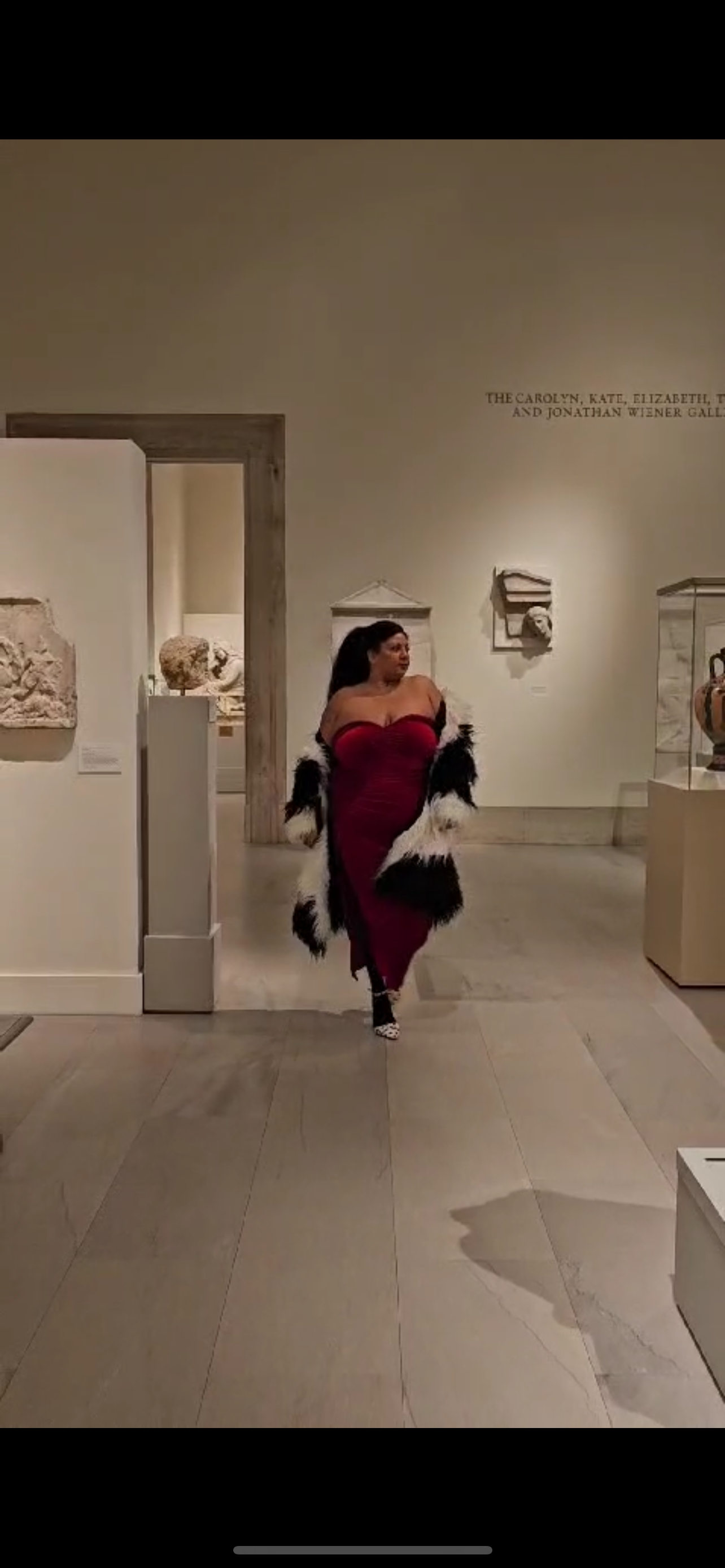 At the Met
Your investment model emphasizes “quiet strength.” What does that look like in practice?
Quiet strength manifests as stewardship. It is patient, intentional, and profoundly respectful of time. It means situating work where it will be cared for—conceptually, materially, historically—and allowing significance to compound through context rather than volume.
This philosophy has long shaped the most enduring collections, from the Lauders onward. What feels newly vital is widening that sensibility. Today’s collectors—established and emerging—are design-literate, emotionally perceptive, and eager to understand why a work matters. Quiet strength makes space for that exchange.
How do you identify the moments when an artist’s trajectory can be meaningfully shaped?
There is a moment when an artist’s thinking intensifies—when ideas arrive with increasing velocity, sharpness, insistence. It is an exhilarating interval, yet also a delicate one. That is when structure becomes indispensable.
Shaping a trajectory is not about exerting control. It is about offering clarity. Helping an artist recognize what is taking form and protecting it while it acquires definition.
 Installation view, Connor Wright "Alexa Truth or Dare" at 545 west 23rd st. New York, NY, curated by Jesse Firestone, photo by Max Yawney
What early structural mistakes do you most often see artists make?
Too often, visibility is mistaken for resolution. Digital affirmation can arrive long before a visual language has fully cohered, and pricing frequently follows attention rather than conviction.
This is precisely why material presence matters so deeply now. The new collector—particularly the millennial collector—possesses innate screen fluency. What they seek is physical intelligence: scale, surface, density, the way a work inhabits space and registers in the body.
 Avalon Ashley Bellos
In working with Connor Wright, as head of sales for his current exhibition, how do you protect artists from premature market acceleration?
Connor’s practice is rapid, charged, and instinct-driven. His mind moves continuously, absorbing photographs, periodicals, advertising, political imagery—cultural fragments layered with historical tension and provocation. He does not shy away from images that mock him or unsettle him. That friction is essential; it fuels the work.
 Installation view, Connor Wright "Alexa Truth or Dare" at 545 west 23rd st. New York, NY, curated by Jesse Firestone, photo by Max Yawney
How are collectors responding to work that challenges comfort rather than decorates power?
They are responding with openness—often with relief. Legacy collectors recognize the depth and discipline; it recalls why they began collecting in the first place. New collectors feel welcomed rather than excluded.
Stewardship means sustaining room for both. The most resonant collections have always been built through curiosity, patience, and a willingness to live alongside complexity.
How do women reshape art-world power without reproducing old hierarchies?
By rejecting the false division between femininity and authority. Women can be visually expressive, emotionally attuned, and structurally exacting simultaneously. These qualities are not contradictory; they are mutually reinforcing.
Power is reshaped by redesigning its architecture—through taste, discernment, and long-range thinking. This form of leadership does not announce itself loudly. It persists.
What will the next decade demand from cultural leaders in terms of accountability and impact?
The coming decade will demand stewardship in its fullest sense. Cultural leaders will be asked to care—for artists, for collectors, for cultural memory itself.
Technology will continue to evolve, and NFTs and digital platforms will remain part of the ecosystem. What must change is hierarchy. Artists are already reversing the digital chessboard, re-centering material intelligence, scale, and presence. Culture cannot survive as abstraction alone. It requires weight, texture, and intention.
Those who understand this will not pursue relevance. They will determine what endures.

Marcarson
Marcarson is the owner of NOT FOR THEM, an art house/concept gallery in New York City.
view all articles from this author



