Whitehot Magazine
October 2026
"The Best Art In The World"
"The Best Art In The World"
October 2026
The Warm Distance: In Conversation with Artist Theodosia Marchant
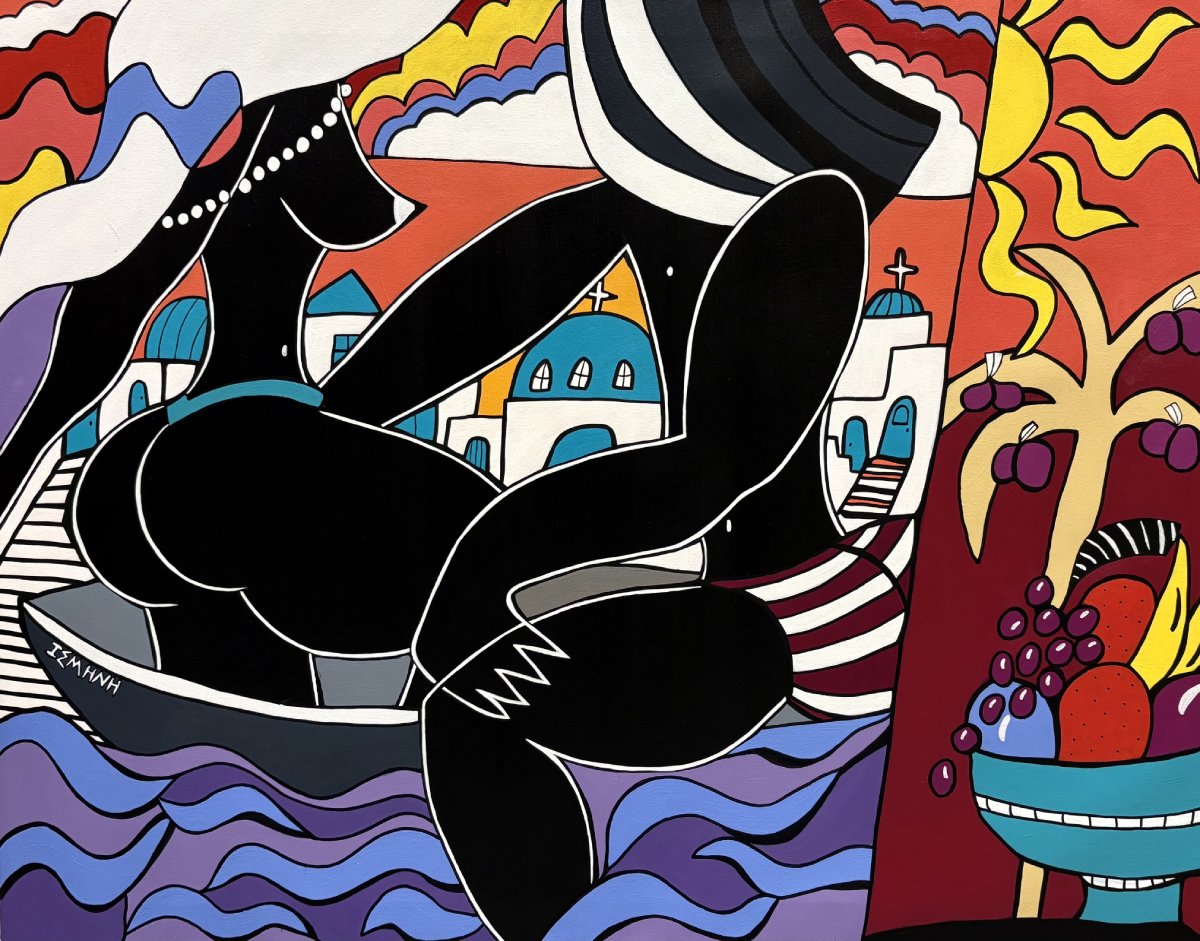 Somewhere I Still Live
By NOAH BECKER June 19th, 2026
Noah Becker: The Warm Distance explores the space between memory and acceptance. What first inspired this body of work, and how did the exhibition’s central theme emerge?
The exhibition emerged from reflecting on experiences, relationships, and places that have shaped me but now belong to the past. I became interested in the feeling of holding something close while also accepting that it can never be revisited in exactly the same way. Over time, I realised the work wasn't about loss as much as it was about acceptance. The title The Warm Distance came from that realisation, the idea that distance doesn't have to be cold. Certain memories remain warm, meaningful, and alive within us, even as they become more distant.
2. You describe the paintings as “emotional translations” rather than literal narratives. How do you transform personal experiences into images that feel both intimate and universal?
My paintings always begin with lived experience, but I'm less interested in documenting specific events than in capturing their emotional residue. Through painting, memories become fragmented, condensed, and transformed. I often remove details that are too specific and focus instead on gestures, expressions, atmospheres, or tensions that feel familiar on a human level. While the work is autobiographical, I hope it leaves enough space for viewers to bring their own experiences and emotions into it.
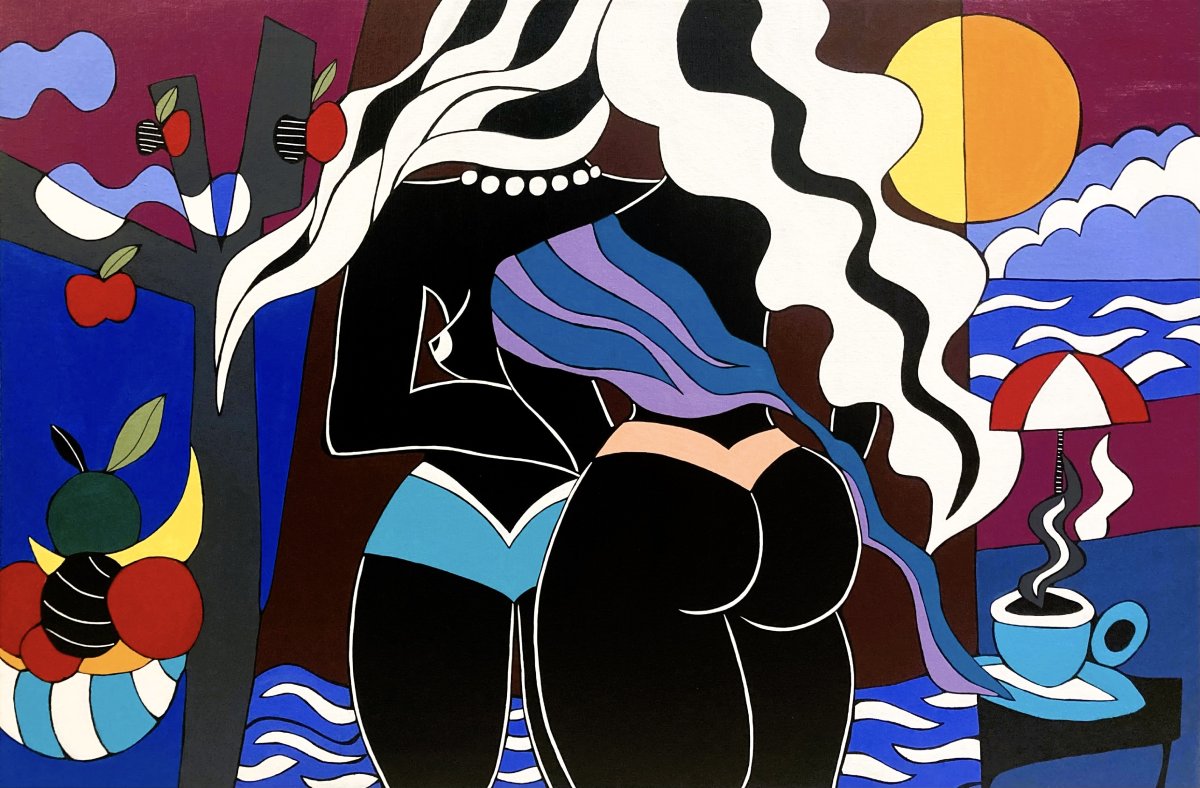 The Way We Were
3. Nostalgia plays an important role in the exhibition, but not as sentimentality. How do you approach painting memories in a way that acknowledges the past without becoming trapped in it?
For me, nostalgia is not about wanting to return to the past. It's about recognising that our lives are shaped by experiences that continue to exist within us, even after they have passed. I think nostalgia can be a form of attention, a way of honouring what has been lived without trying to preserve it unchanged. The paintings are not attempts to recreate memories but to acknowledge their continuing presence and the ways they quietly inform who we become.
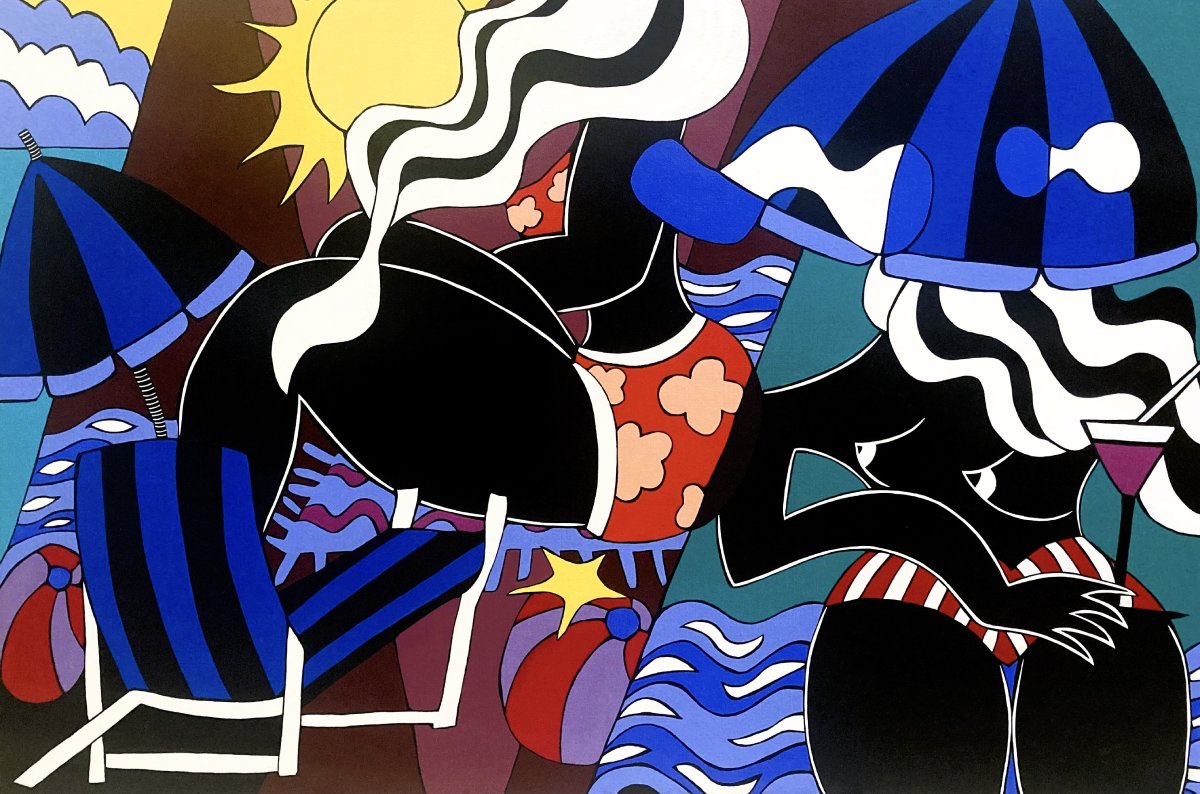 Summer Held Briefly
4. Your work often focuses on the psychological space between people. What draws you to these subtle emotional dynamics, and how do you convey them visually?
I've always been fascinated by what exists beneath the surface of human interaction, the things we communicate without words, the tensions, vulnerabilities, desires, and misunderstandings that exist between people. These emotional dynamics often reveal more than any narrative can. Visually, I explore them through body language, proximity, gaze, gesture, and the relationships between figures. Sometimes what is left unsaid becomes the most important part of the image.
5. Having lived between cultures and countries, how have movement, displacement, and shifting identities shaped your artistic perspective?
Having lived between different cultures and countries has shaped the way I experience identity and memory. When you move between places, belonging becomes less fixed and more fluid. You begin to carry fragments of different worlds within you, languages, relationships, landscapes, and ways of seeing. That experience has made me particularly aware of how memory functions: not as something complete, but as something constantly reconstructed. Many of my paintings emerge from this sense of fragmentation. They are less about documenting a specific place or moment and more about piecing together emotional traces of lived experience. Movement creates distance, but it also offers perspective, and I think that tension between connection and displacement runs throughout my work.
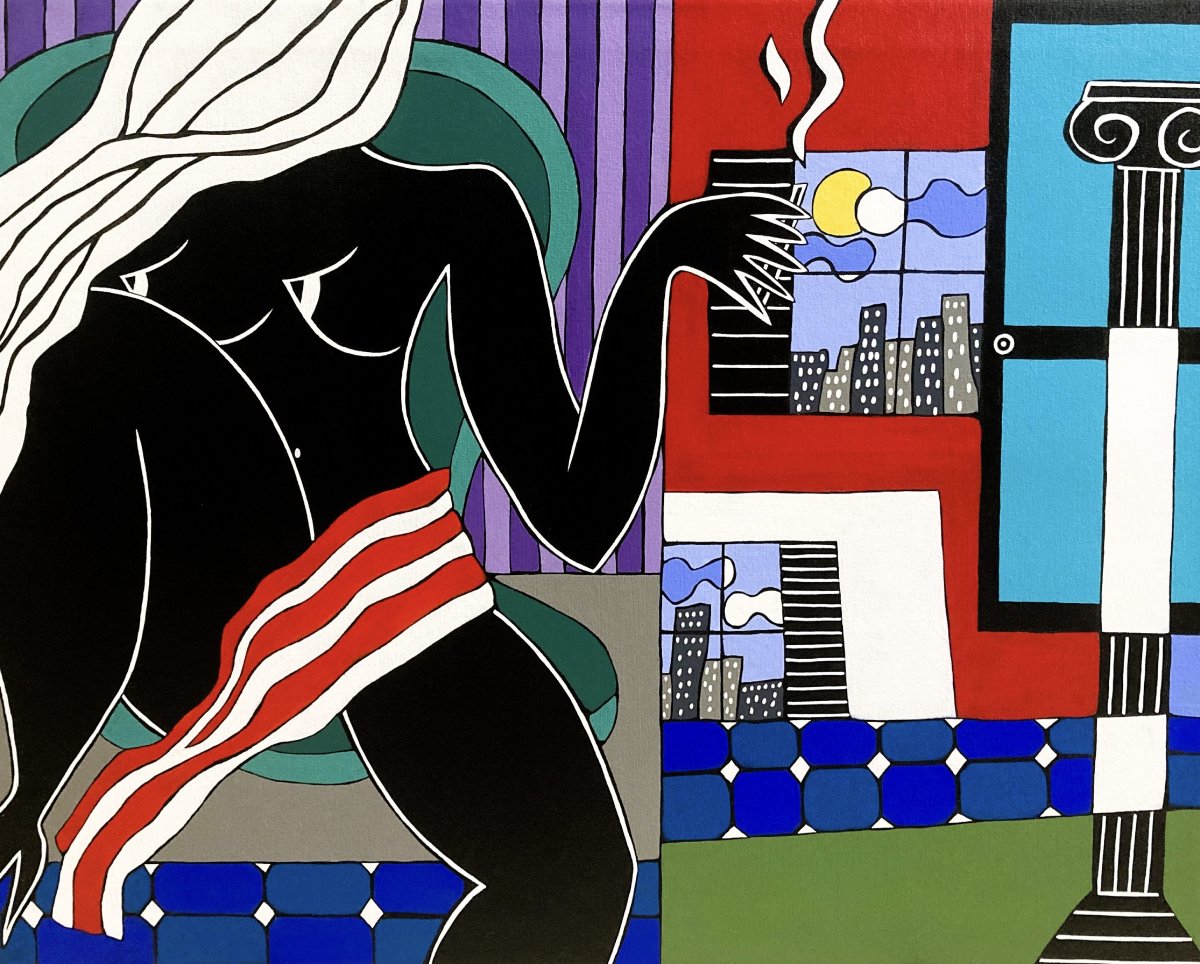 After Midnight
6. Motherhood, longing, vulnerability, and resilience are recurring themes in your practice. How have these experiences influenced the works in The Warm Distance?
These themes are inseparable from my life and therefore naturally find their way into the work. Motherhood has profoundly expanded my understanding of love, vulnerability, responsibility, and transformation. It has heightened my awareness of both strength and fragility, often existing simultaneously. Longing, uncertainty, and resilience are equally important because they reflect something fundamental about being human. We are constantly navigating attachment, change, and the passage of time. In The Warm Distance, these experiences are not illustrated directly but exist as emotional undercurrents within the paintings. They inform the atmosphere, the relationships between figures, and the psychological tensions that unfold within the work.
7. Distortion, gesture, color, and expression are central elements in your paintings. How do these formal choices help communicate emotions that are difficult to put into words?Painting allows me to communicate things that language often cannot fully contain. I'm interested in emotional truth rather than literal description, and distortion helps me move beyond what is physically visible toward what is psychologically felt. Gesture, posture, spatial relationships, and the way figures occupy a composition can reveal emotional states that remain unspoken, while colour carries its own atmosphere and emotional weight. Through these formal choices, I try to reconstruct lived experience in a way that feels emotionally immediate rather than narrative. I'm less interested in explaining emotions than in creating a space where they can be felt intuitively, before they are fully understood.
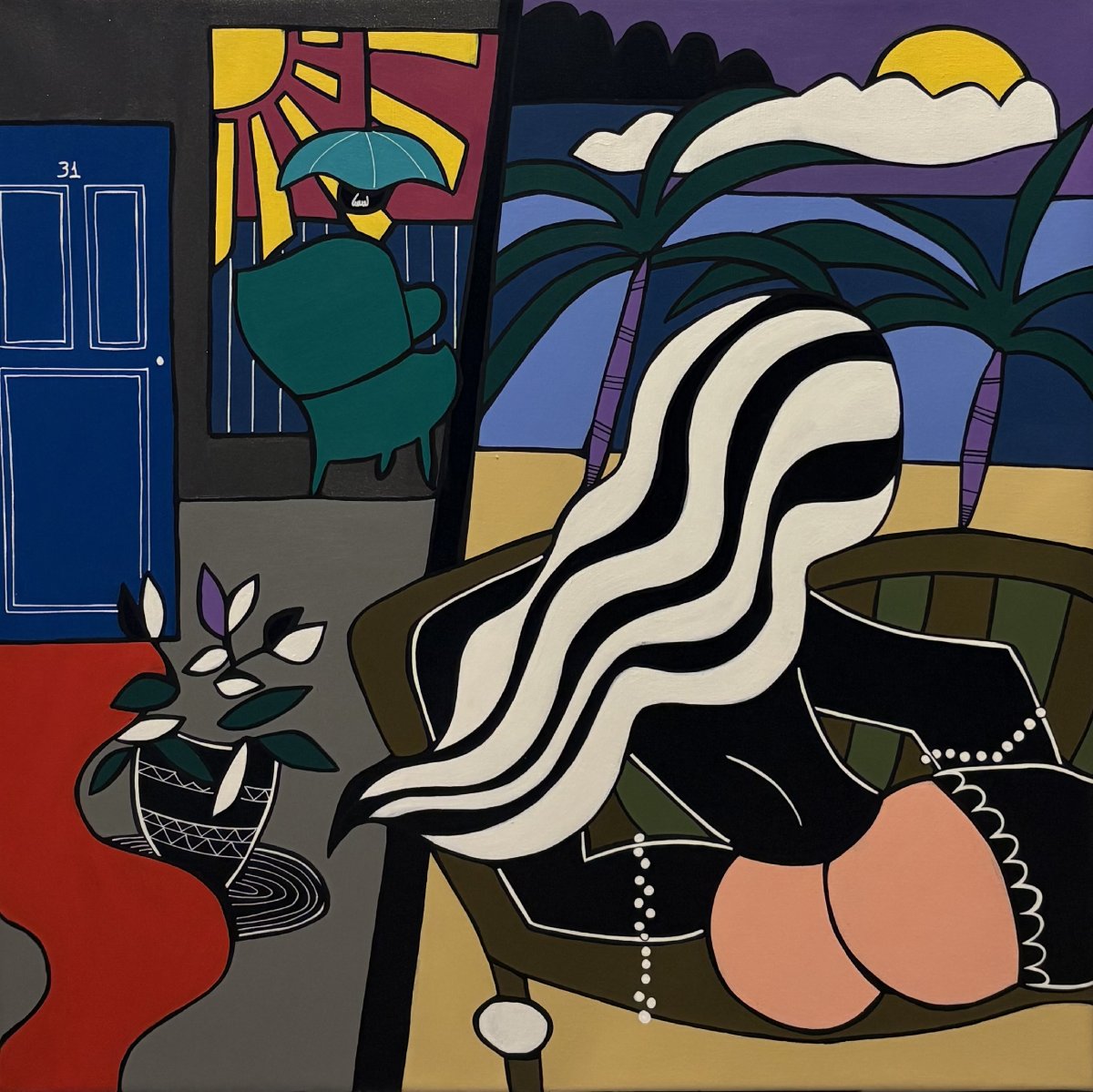 The Room Beyond The Window
8. The exhibition suggests that people, places, and moments never fully leave us. What do you hope viewers take away from The Warm Distance and its reflections on memory, loss, and love?
I hope viewers leave with a greater sense of compassion toward their own experiences and histories. The exhibition is ultimately about embracing the fullness of a life, its joys, losses, tenderness, contradictions, and transformations. The people, places, and moments we have loved do not disappear when they become distant; they remain part of who we are.
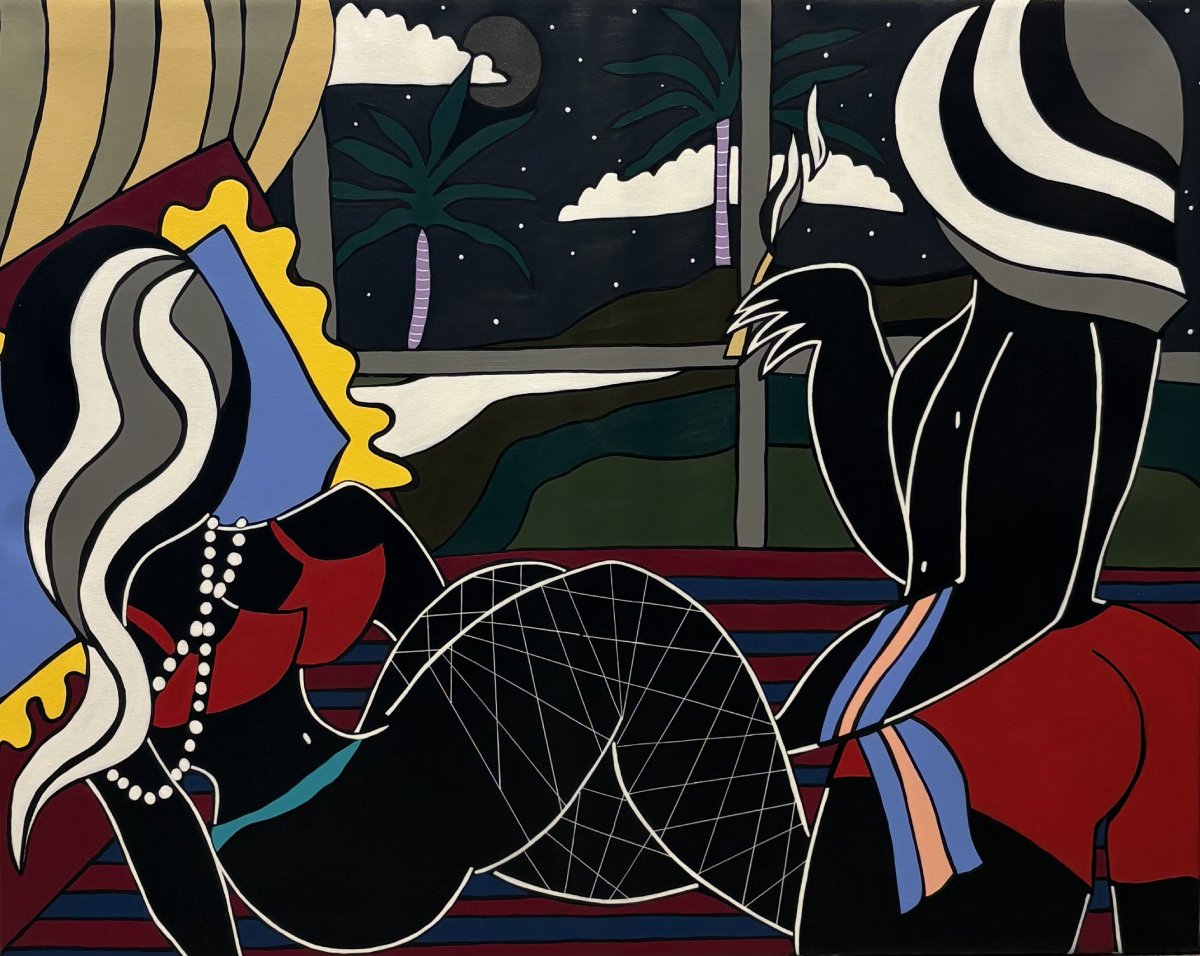 A Door Left Open
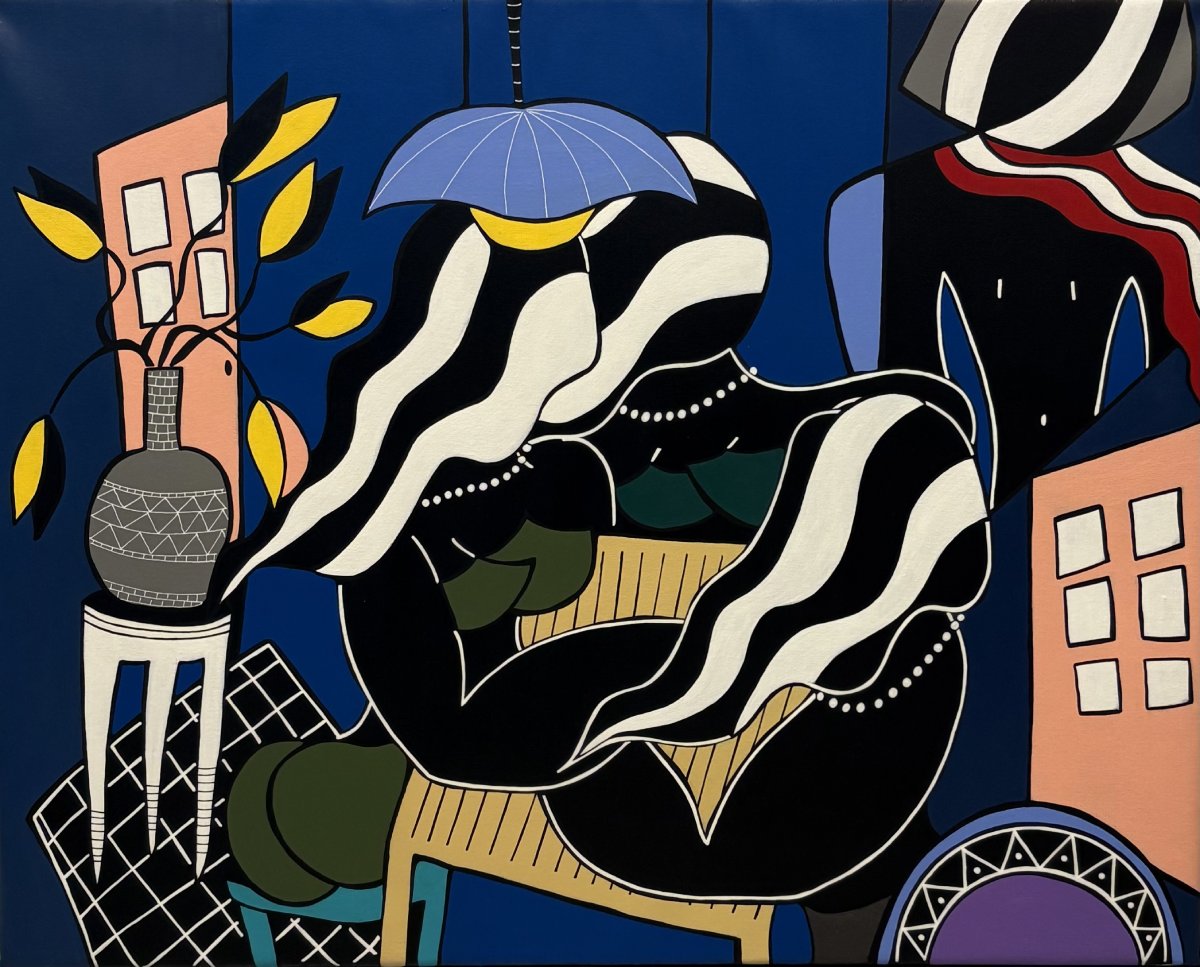 Where I Keep Him
9. The Warm Distance is being presented at Mataroa Gallery in Athens, the city where you were born. What significance does this exhibition hold for you in that context?
This exhibition holds a particular significance for me because it is my first solo exhibition in Athens, the city where I was born. Much of my work explores memory, identity, belonging, and the ways we carry places within us, so returning to exhibit here feels deeply connected to the themes of The Warm Distance itself.
Having spent much of my life moving between countries and cultures, Athens has existed in my mind both as a lived reality and as a remembered place. Presenting this body of work here creates a meaningful dialogue between the paintings and the city that shaped the beginning of my story. In many ways, the exhibition is not a return to the past, but an opportunity to reflect on how memory, distance, and personal history continue to inform the present.
It also feels especially meaningful to present this work at Mataroa Gallery. I feel a strong affinity with the gallery’s commitment to thoughtful inquiry, reflection, and cultural exchange. Their focus on creating space for meaningful encounters with art resonates strongly with my own practice, which is concerned with how memory, identity, emotion, and place are carried within us.
The Warm Distance is dedicated to my father, Dimitri, whose presence, love, and memory remain woven through both this body of work and my life. Presenting the exhibition in Athens, the city where my story began and where so much of my family history resides, gives that dedication an even deeper resonance.
The Warm Distance opens on 25th June 2026 at 7pm in Athens.
Mataroa Gallery - IG: @mataroa_gallery
Address: 76 Asklipiou Street, Athens

Noah Becker
Noah Becker is an artist and the publisher and founding editor of Whitehot Magazine. He shows his paintings internationally at museums and galleries. Becker also plays jazz saxophone. Becker's writing has appeared in The Guardian, VICE, Garage, Art in America, Interview Magazine, Canadian Art and the Huffington Post. He has written texts for major artist monographs published by Rizzoli and Hatje Cantz. Becker directed the New York art documentary New York is Now (2010). Becker's new album of original music "Mode For Noah" was released in 2023.
Becker's 386 page hardcover book "20 Years of Noah Becker's Whitehot Magazine of Contemporary Art" drops Aug 8, 2025 globally on Anthem Press.
Noah Becker on Instagram / Noah Becker Paintings / Noah Becker Music / Email: noah@whitehotmagazine.com
view all articles from this author