Whitehot Magazine
November 2026
"The Best Art In The World"
"The Best Art In The World"
November 2026
A Journey to the End of a Dream: The Roger Therond Collection at Christie’s Paris
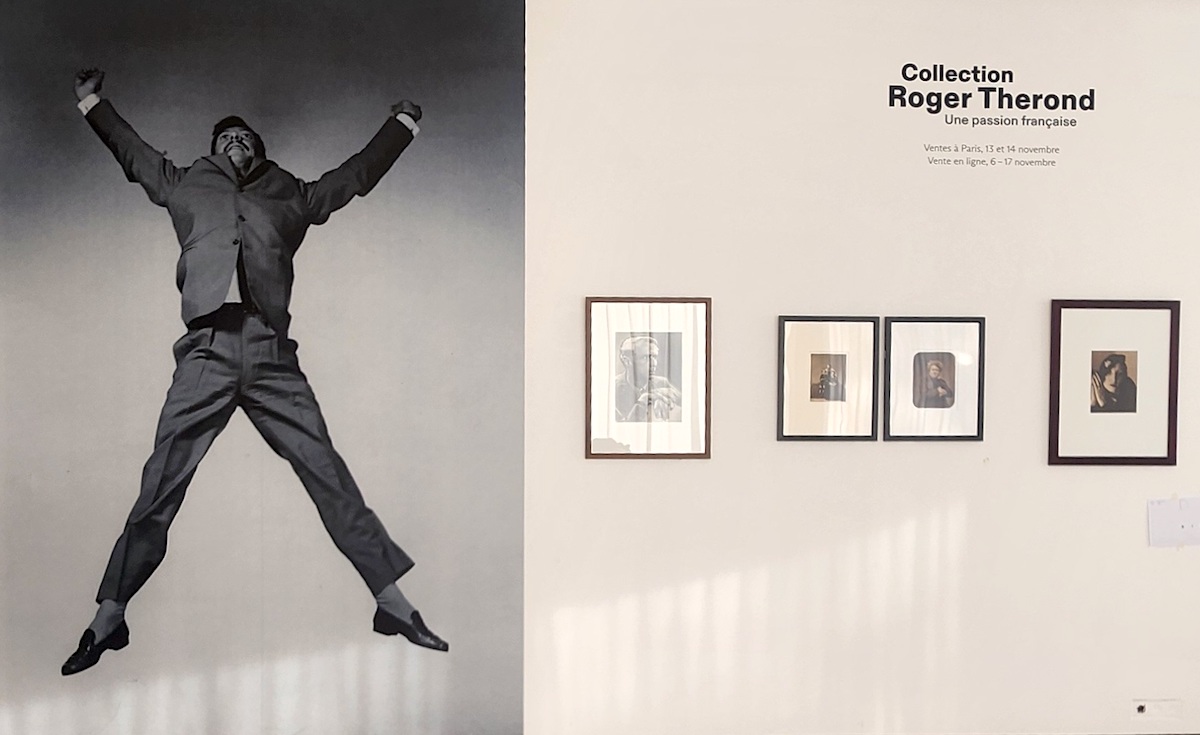
Installation view, Roger Therond Collection Christie's Paris, image Eve Therond, 2026
On view November 7 - 14
Christie's Paris, 9, avenue Matignon, Paris 8e
Christie’s Paris Live Auction, Evening Sale, 11/13
Christie’s Paris Live Auction, Day Sale, 11/14
Online Auction 6-17 November, 2026
By COCO DOLLE, November 8th, 2026
At Christie’s, more than 350 photographs invite us to follow the journey of a collector’s dream. The Roger Therond Collection is not only a collection of masterpieces; it is also a rare and intimate portrait of a man who devoted his life to photography as an art form.
Widely known as the iconic editor and director of Paris Match, Roger Therond devoted 50 years of his life to France’s most influential weekly news magazines. His famous slogan, coined in 1976, “Le poids des mots, le choc des photos,” literally translated into “The weight of words, the shock of photographs,” inspired an entire new generation of photographers and redefined the means of photojournalism. Therond’s private eye was shaped by a very different pursuit: a more intimate search with a poetic sensibility, artistic meanings, and dreamful qualities.
Over several decades, Therond assembled an exceptional collection of photographs, bringing together an unprecedented group of masterpieces from the nineteenth and twentieth centuries, from the pioneering daguerreotypes to the radical experiments of the Surrealists. His earliest acquisitions demonstrate a passion for ancient civilizations and the early processes of photography. The collection reveals treasures and masterpieces from Eugène Atget, Gustave Le Gray, Édouard Baldus, Maurice Belloc, Man Ray, Dora Maar, Hans Bellmer, Tabard and Molinier.
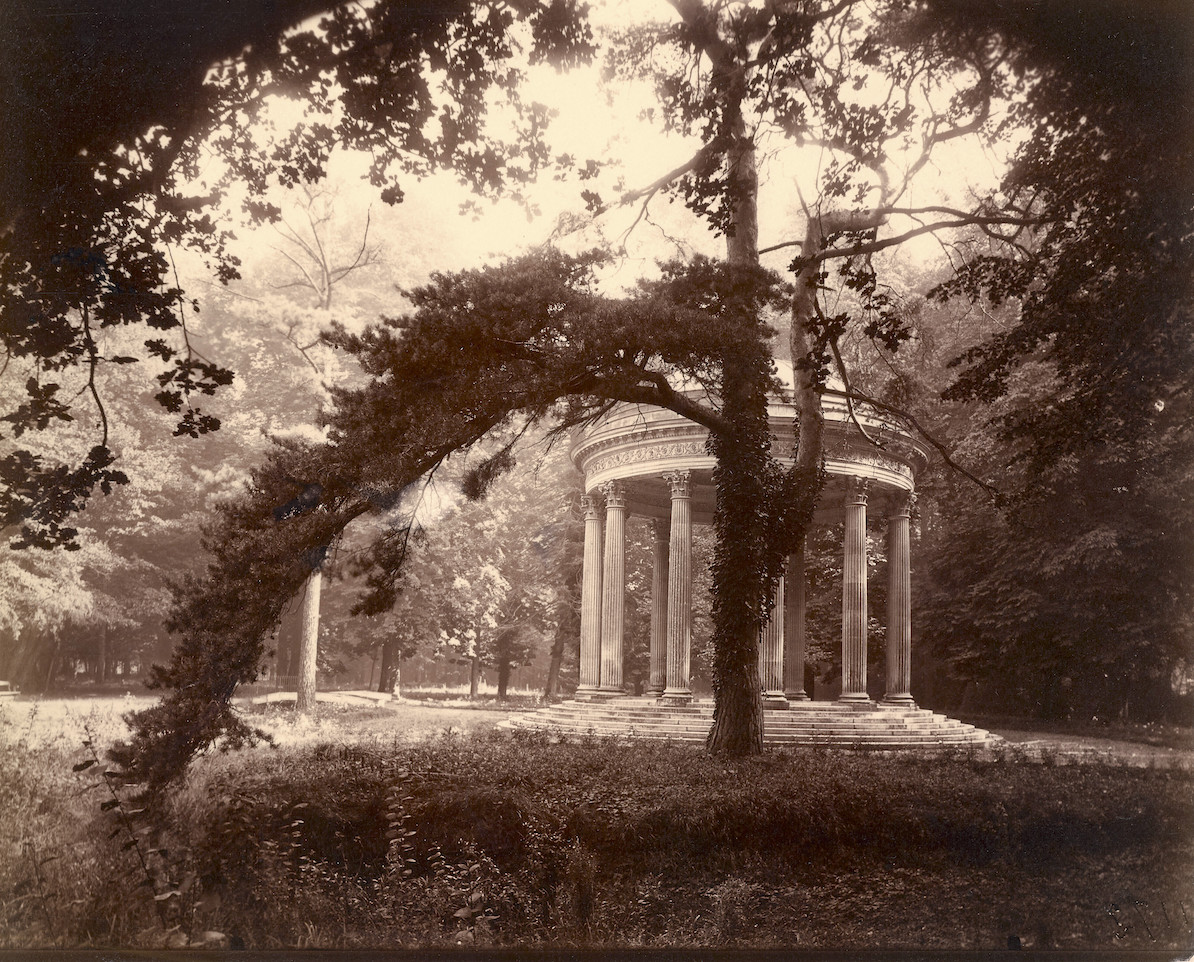
Eugène Atget, Trianon, Temple de l'Amour, 1902 © Christie's images limited
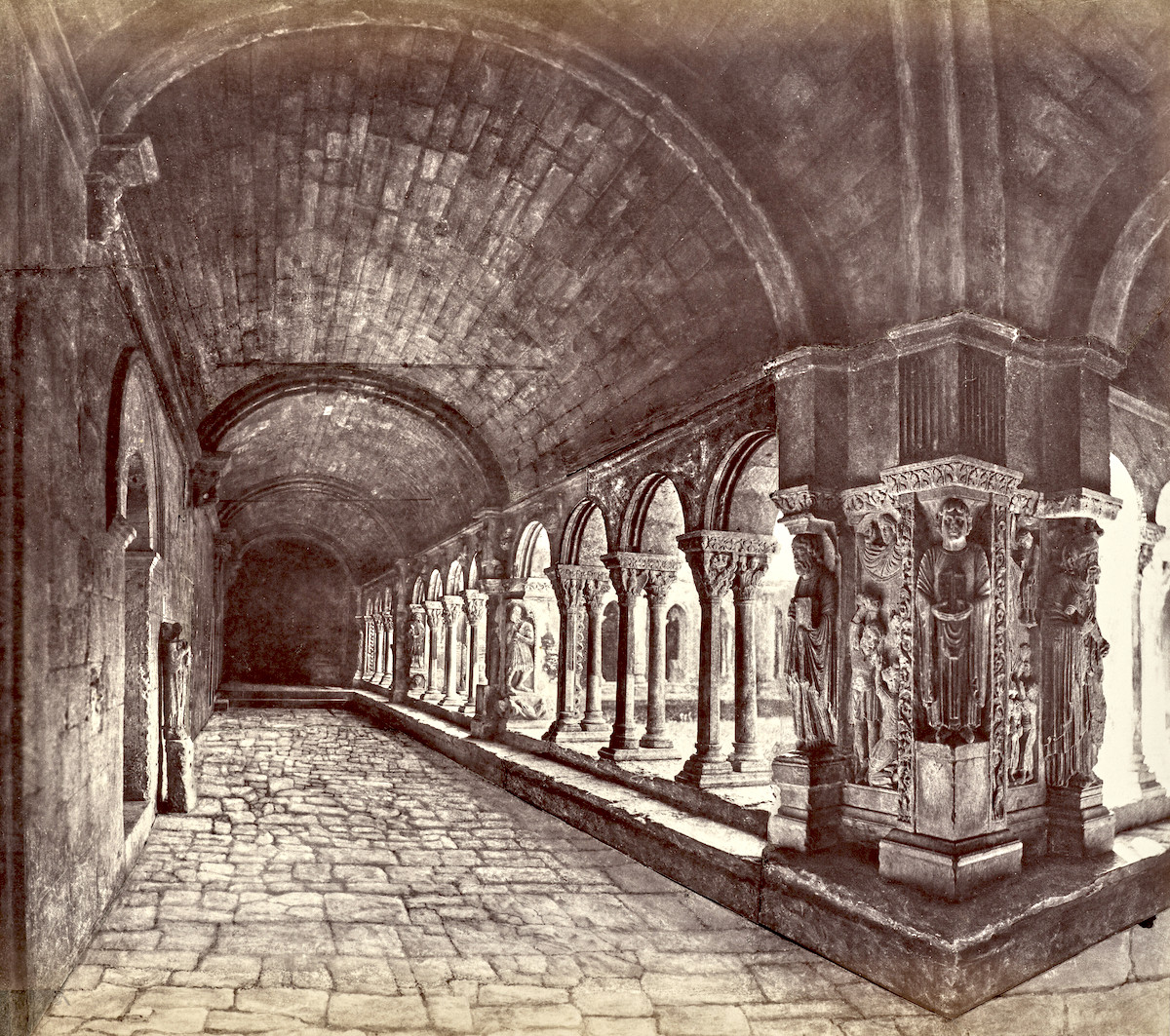
Edouard Baldus, Cloître Saint-Trophisme, 1860 © Christie's images limited
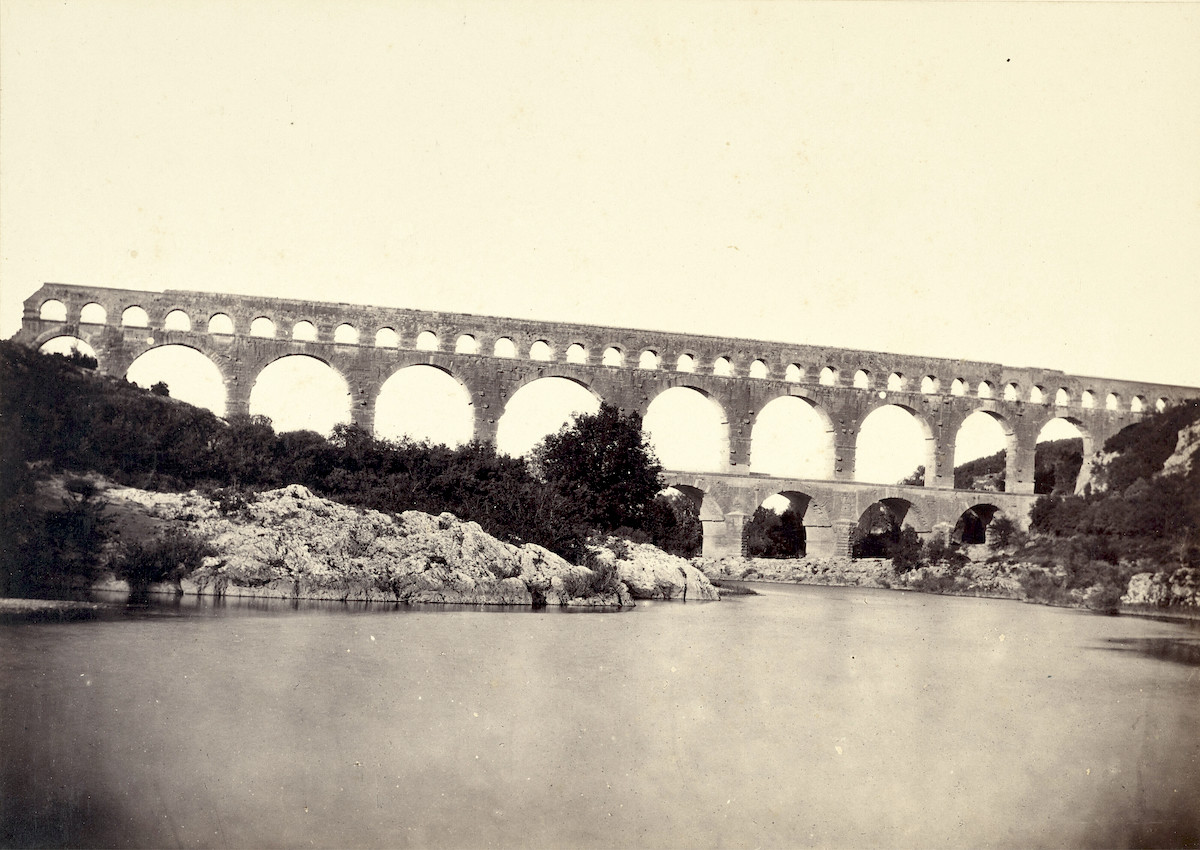
Antoine Crespon, Le Pont du Gard, circa 1860 © Christie's images limited
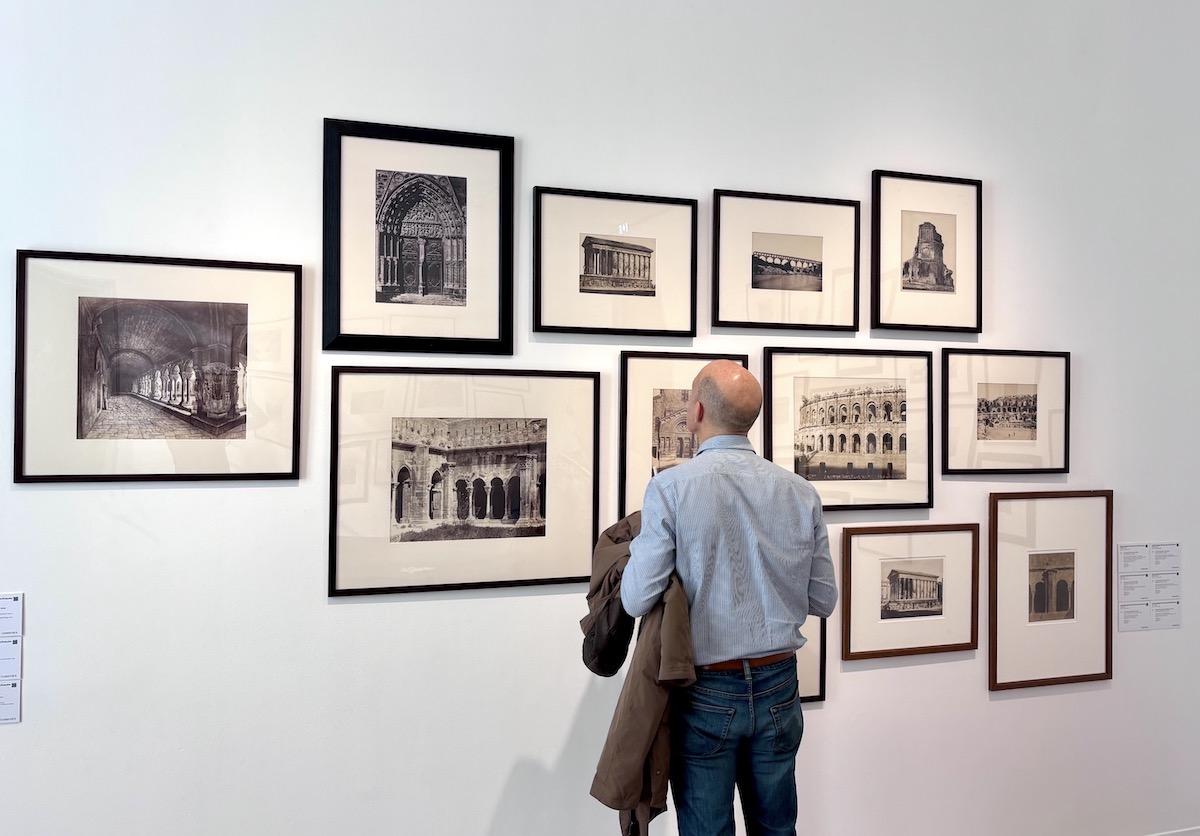
Installation view, Roger Therond Collection Christie's Paris, image Emilie Therond, 2026
In his time, Roger Therond belonged to the elite circle of five prominent photography collectors. His approach to collecting was guided by an affinity for outsider artists, challenging conventions, and exploring forbidden territories. His youngest daughter, Eve Therond, recalls: “My father felt a deep sympathy for those who, in one way or another, stood outside the bounds of social conformity.”
The collection presented at Christie’s Paris is therefore more than a testament to the passion of a great collector. It is an extraordinary record of history and artistic experimentation, of the great nineteenth-century explorers, as well as of technological innovation and the secret lives of the pioneering artists in nudes and portrait photography. As Roger Therond observed: “There were the travelling photographers, but those who remained at home became princes in their studios.”
The collection opens onto a world of extraordinary geographical and imaginative landscapes. Through Gustave Le Gray, we travel to Egypt, encountering the monuments of the Orient, and delve into the ethereal seascapes of his celebrated marine photographs.
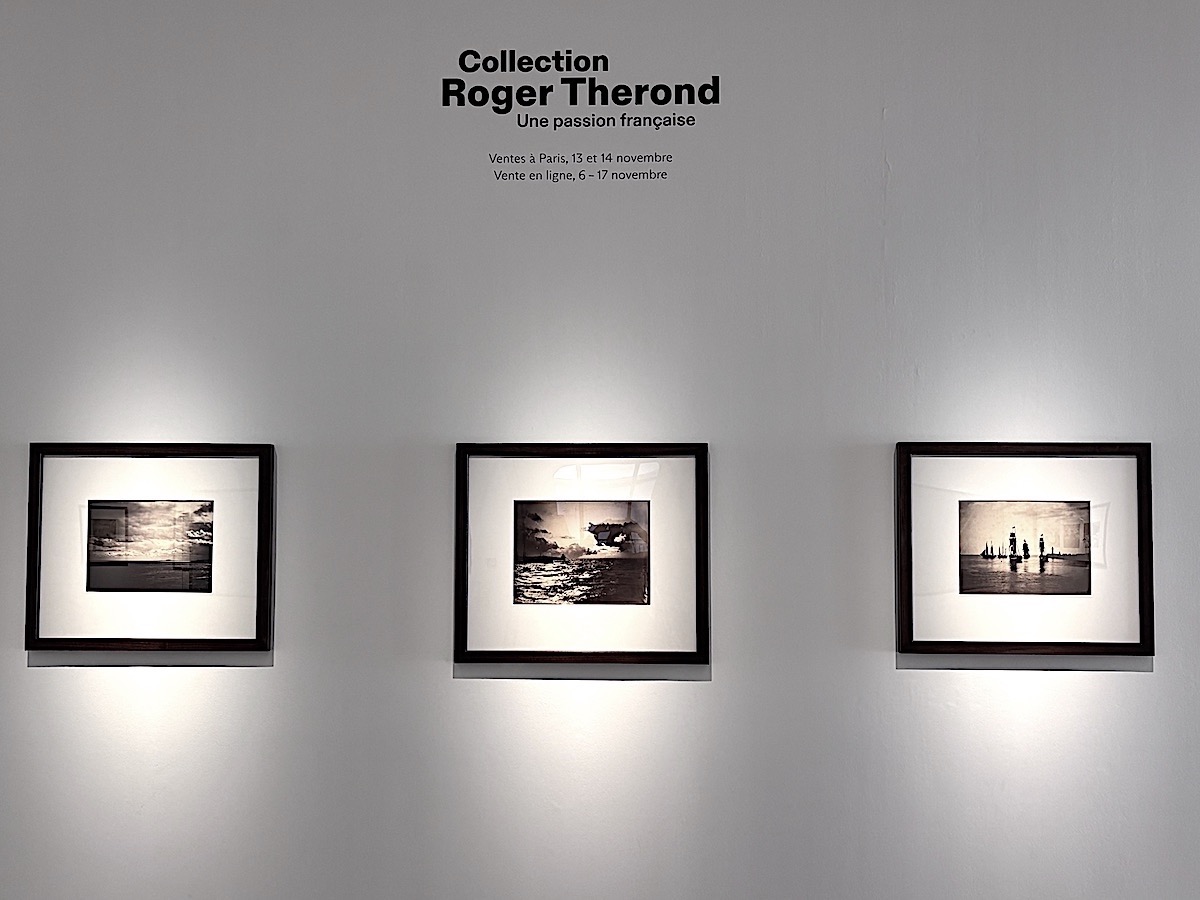
Installation view, Roger Therond Collection Christie's Paris, image Emilie Therond, 2026
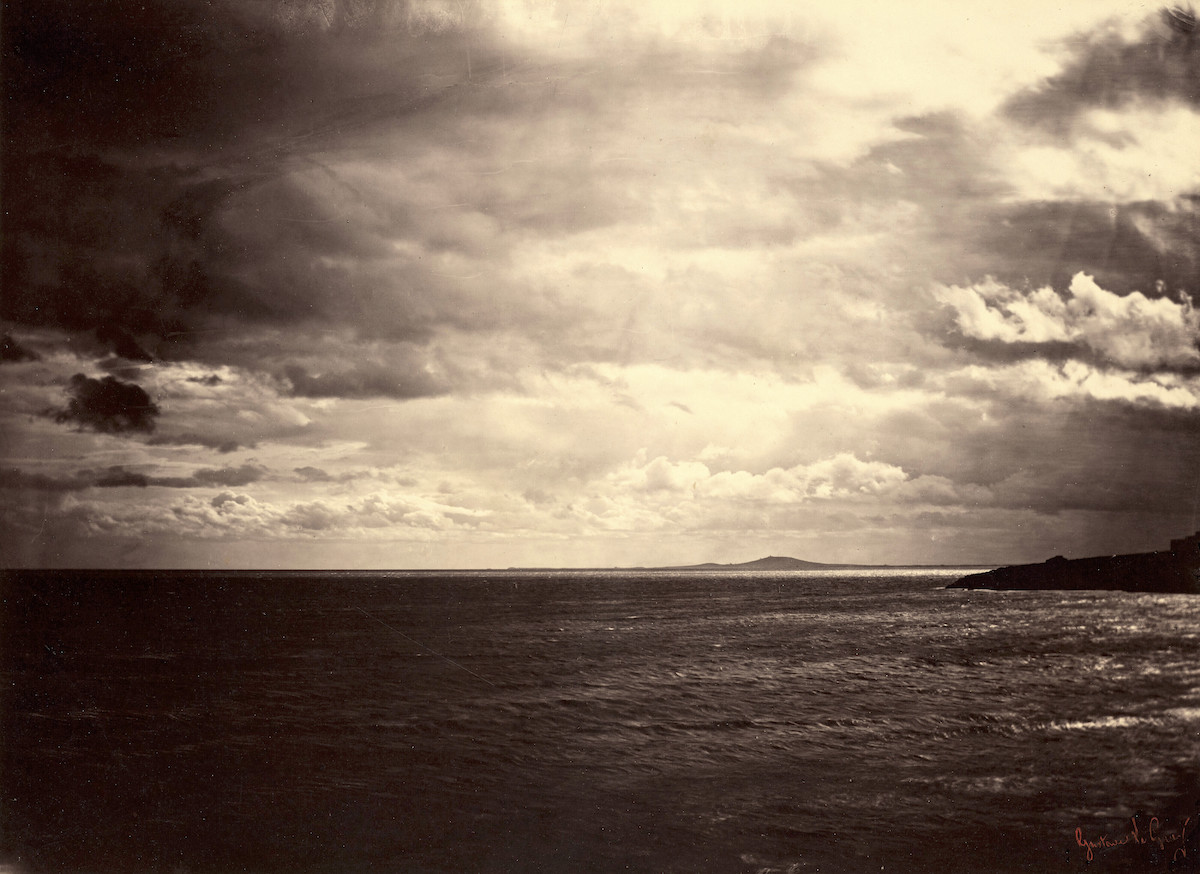
Gustave Le Gray, Ciel chargé mer Méditérannée, 1857 © Christie's images limited
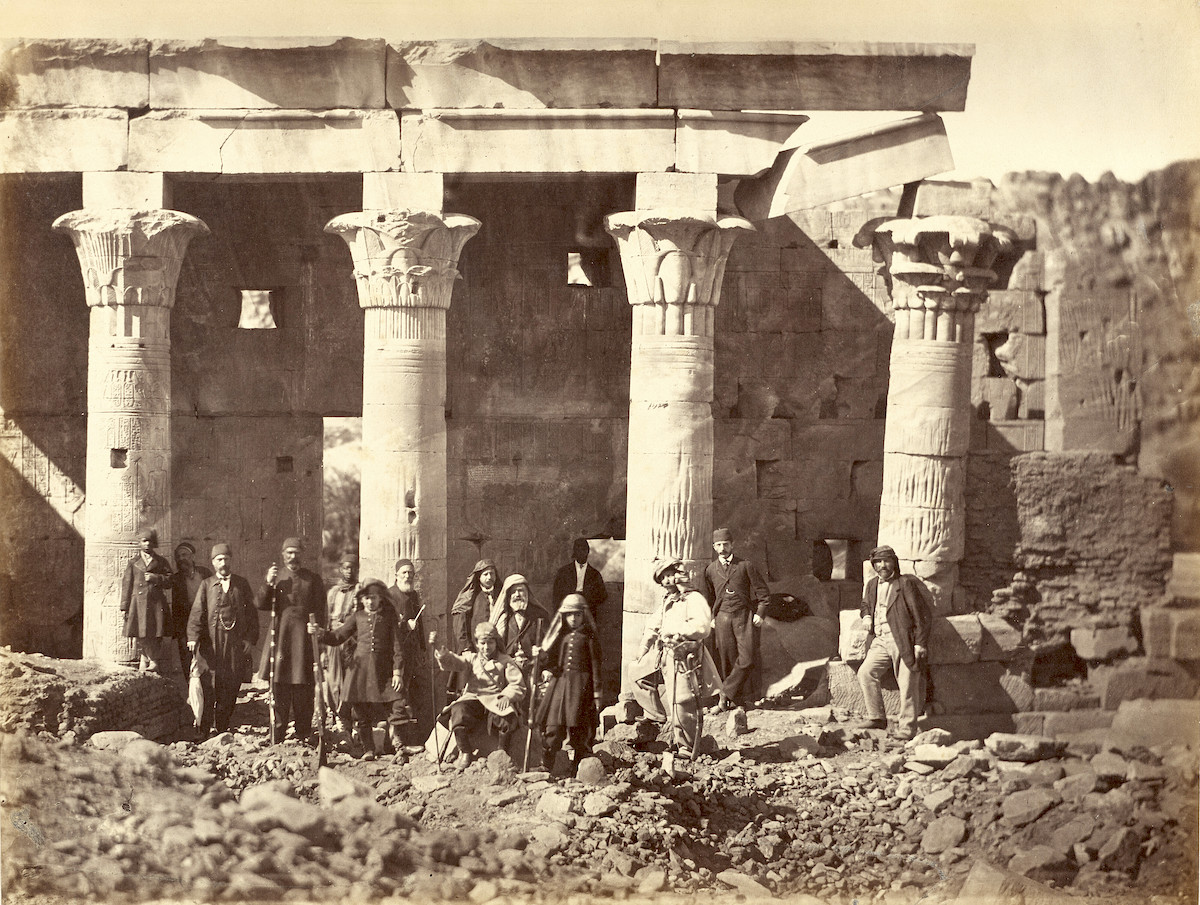
Gustave Le Gray, Voyage dans la Haute-Egypte, 1867 © Christie's images limited
Eve Therond explains: “It was in Sète, our father’s birthplace, that Gustave Le Gray created some of his most celebrated seascapes. This print therefore represents a kind of visual pilgrimage, a tribute to his southern roots, but also to his love of heightened Romanticism, melancholy and dreams, and his taste for the sublime.”
With Eugène Atget, we enter a Paris that has largely disappeared, its streets, courtyards, shopfronts, and architectural fragments preserved in a haunting visual archive.
In its earliest decades, photography was not always regarded as a respectable occupation. Its practitioners encountered suspicion, moral scrutiny, and, at times, direct intervention from the morality police. The nude became a forbidden territory in which eroticism and censorship collided, as in the works of Auguste Belloc.
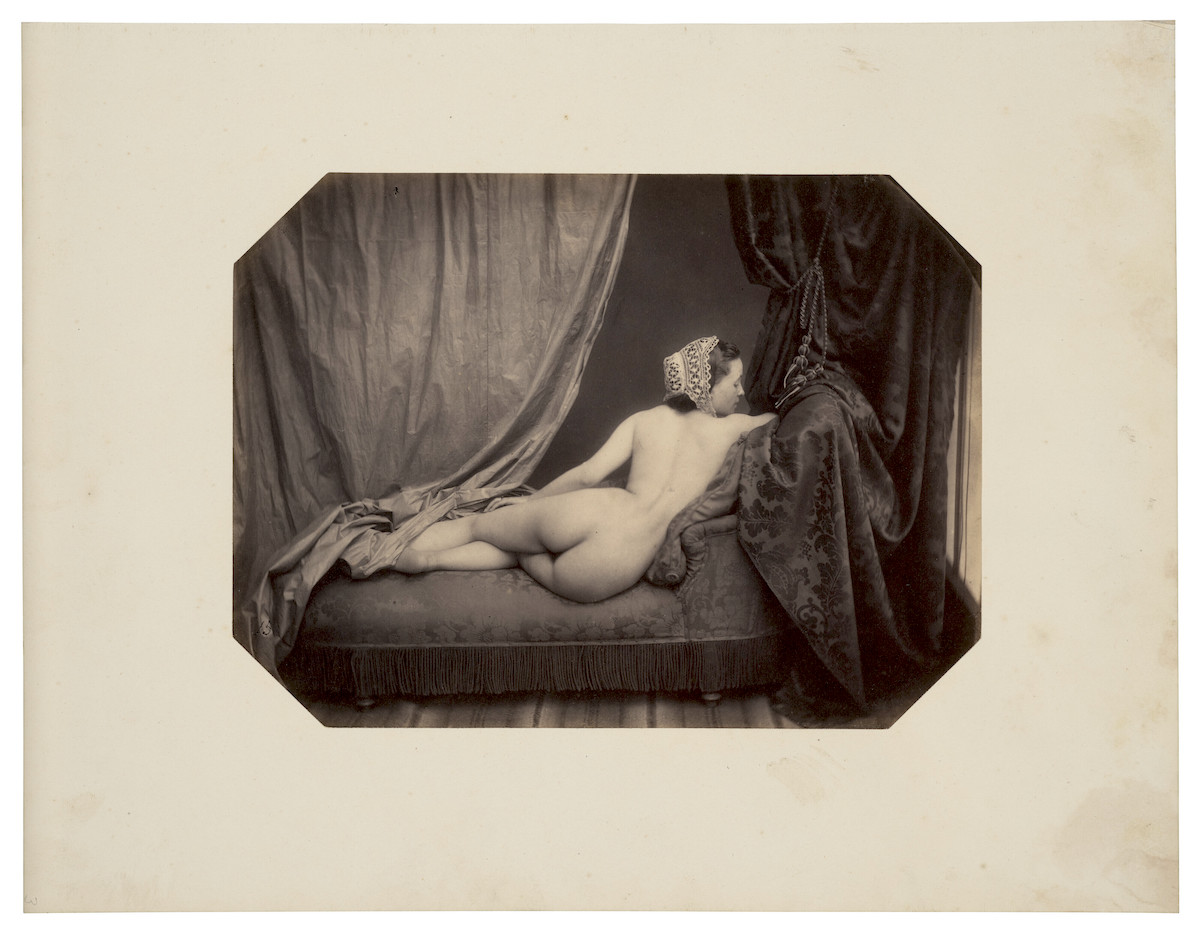 Auguste Belloc, Deux Albums de nus féminins, circa 1850 © Christie's images limited
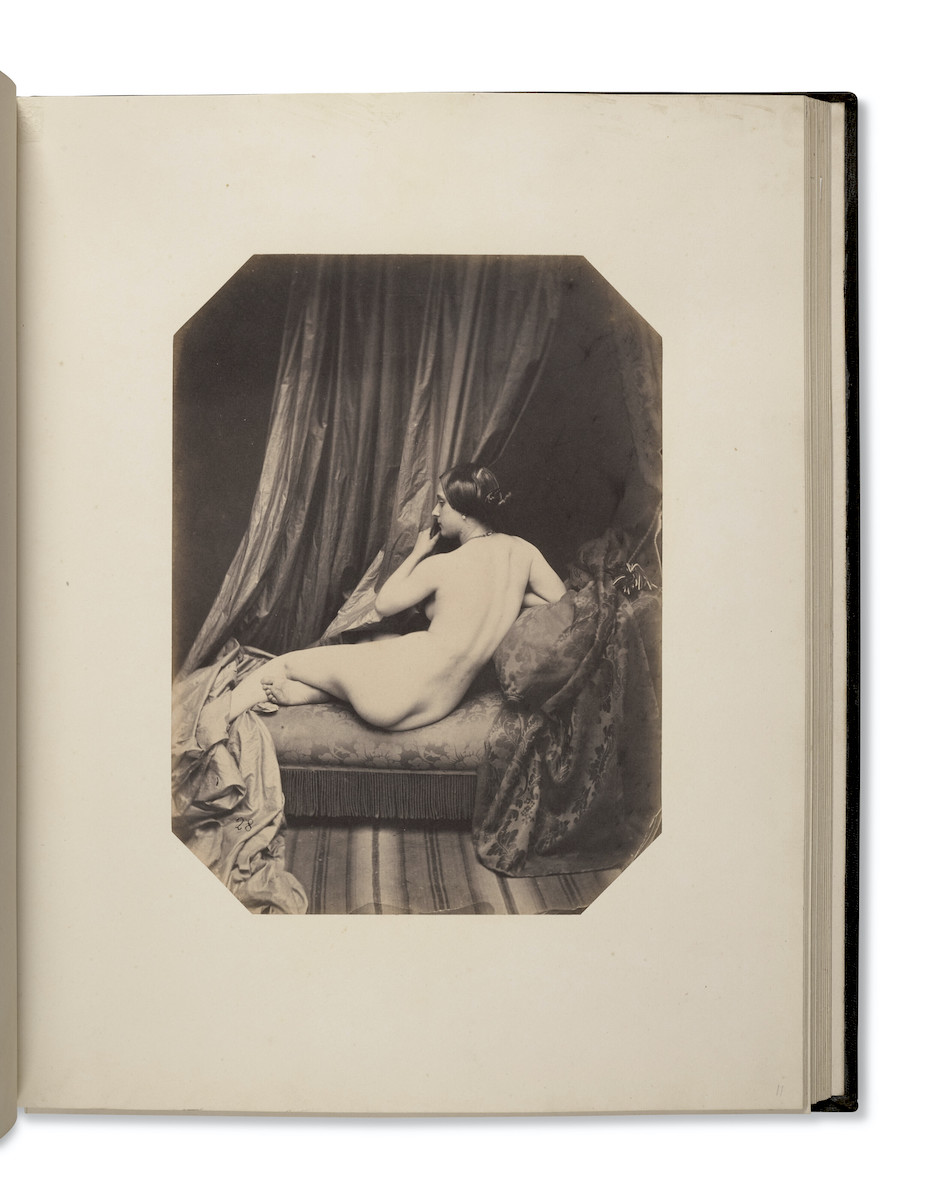
Auguste Belloc, Deux Albums de nus féminins, circa 1850 © Christie's images limited
Roger Therond was fascinated by this rebellious dimension of photography: “During that great pioneering era, photographers discovered not only a technique but an art form. Harassed by the police and the courts, artists working with the nude circulated among themselves works deemed licentious.”
He admired the extraordinary visual intelligence of Belloc’s compositions: “Every page of these two albums is a small masterpiece, in which Belloc transforms a setting into a marvel through the vibrancy of draperies, hangings, and models.”
Working with the revolutionary wet-collodion process, Belloc explored the sculptural qualities of the human body. His work also navigated the strict moral codes of the Second Empire. In October 1860, the morality police seized more than 5,000 photographs and stereoscopic views from his home, deeming them obscene. Only a small number of these images survive today.
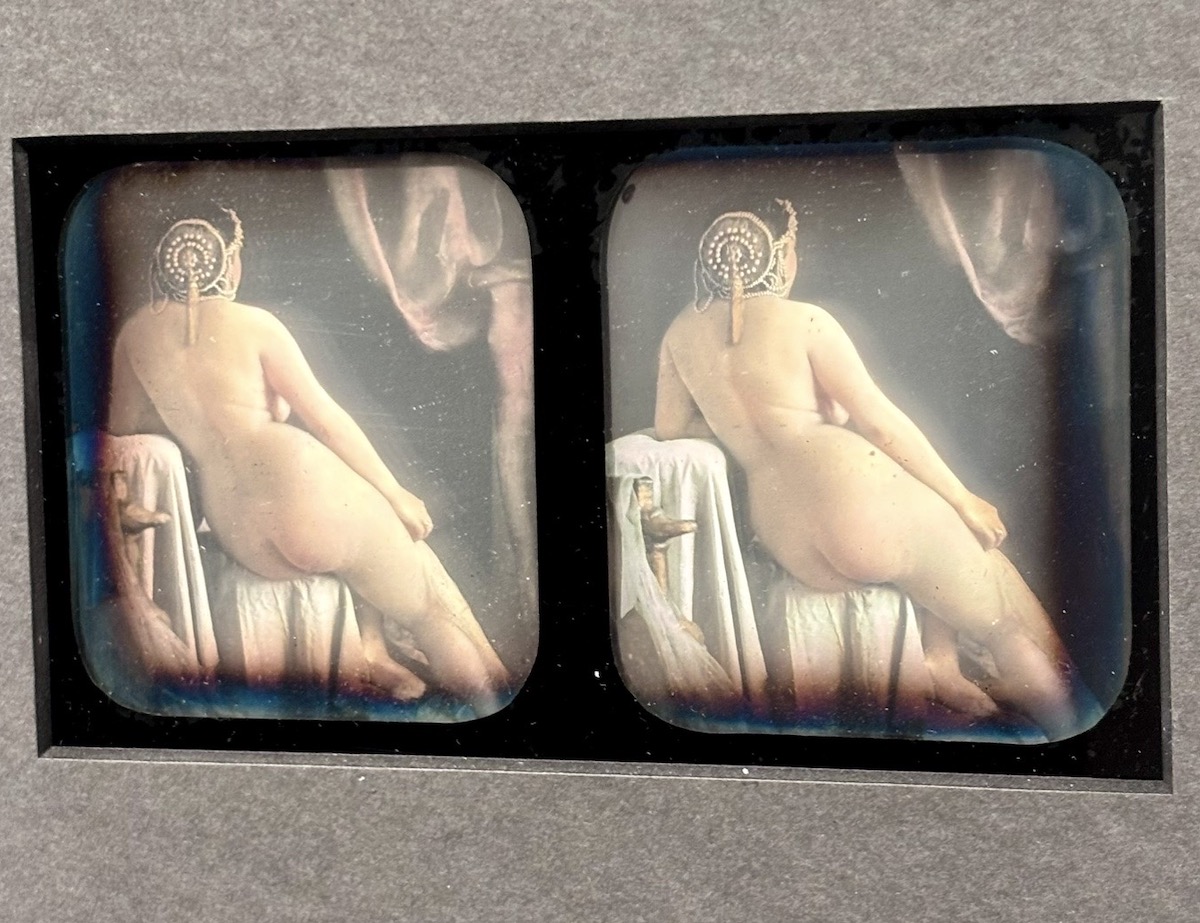
Bruno Braquehais and Laure Gouin-Braquehais, Nu féminin à la coiffure de perles, circa 1858, image Emilie Therond, 2026
The collection continues into the twentieth century, encompassing artists who fundamentally reshaped the medium: Man Ray, Dora Maar, Brassaï, Henri Cartier-Bresson, Helmut Newton, and Guy Bourdin, among others. Many were friends or personal acquaintances of Therond, with Maurice Tabard and Jacques-Henri Lartigue occupying particularly intimate places in his world.
Maurice Tabard was described as shy, introverted, afraid of people, of crowds, “always working in his own corner.” He held a very special place in Roger Therond’s affections. Close to Magritte and the Surrealists, and an intimate friend of Man Ray, Tabard nevertheless remained fiercely solitary. His friendship with Therond was a discreet bond between two reserved men, founded on a shared appreciation of the unconventional and the mysterious.
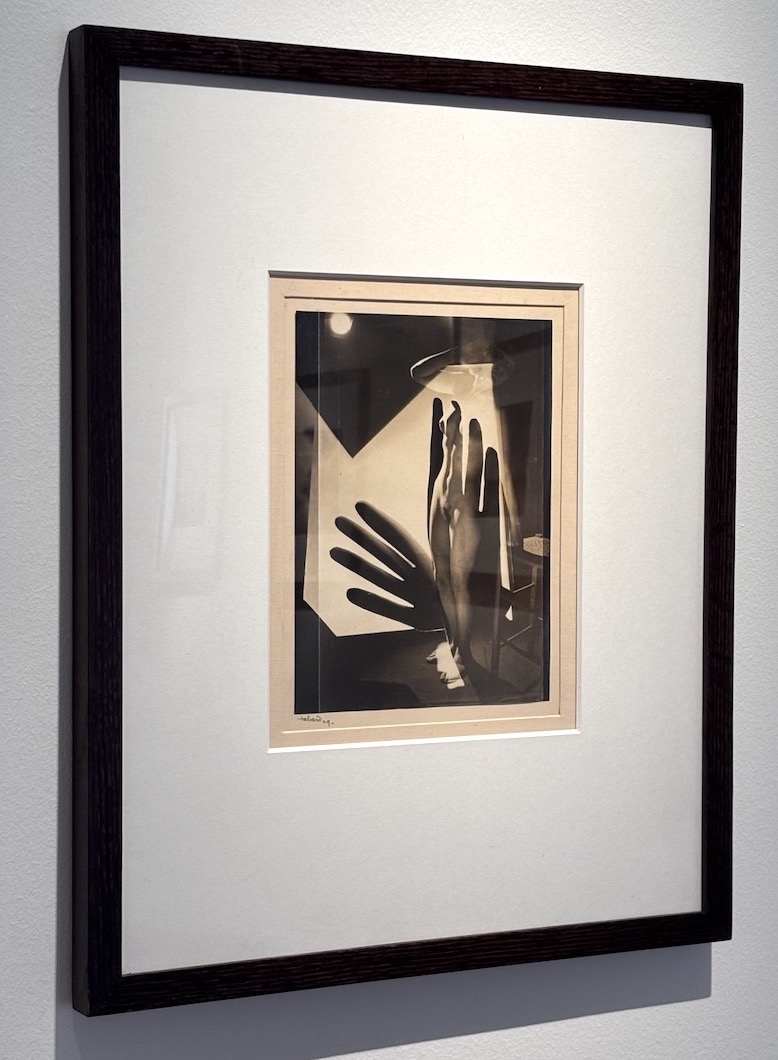
Maurice Tabard, Surimpression, 1929, image Emilie Therond, 2026
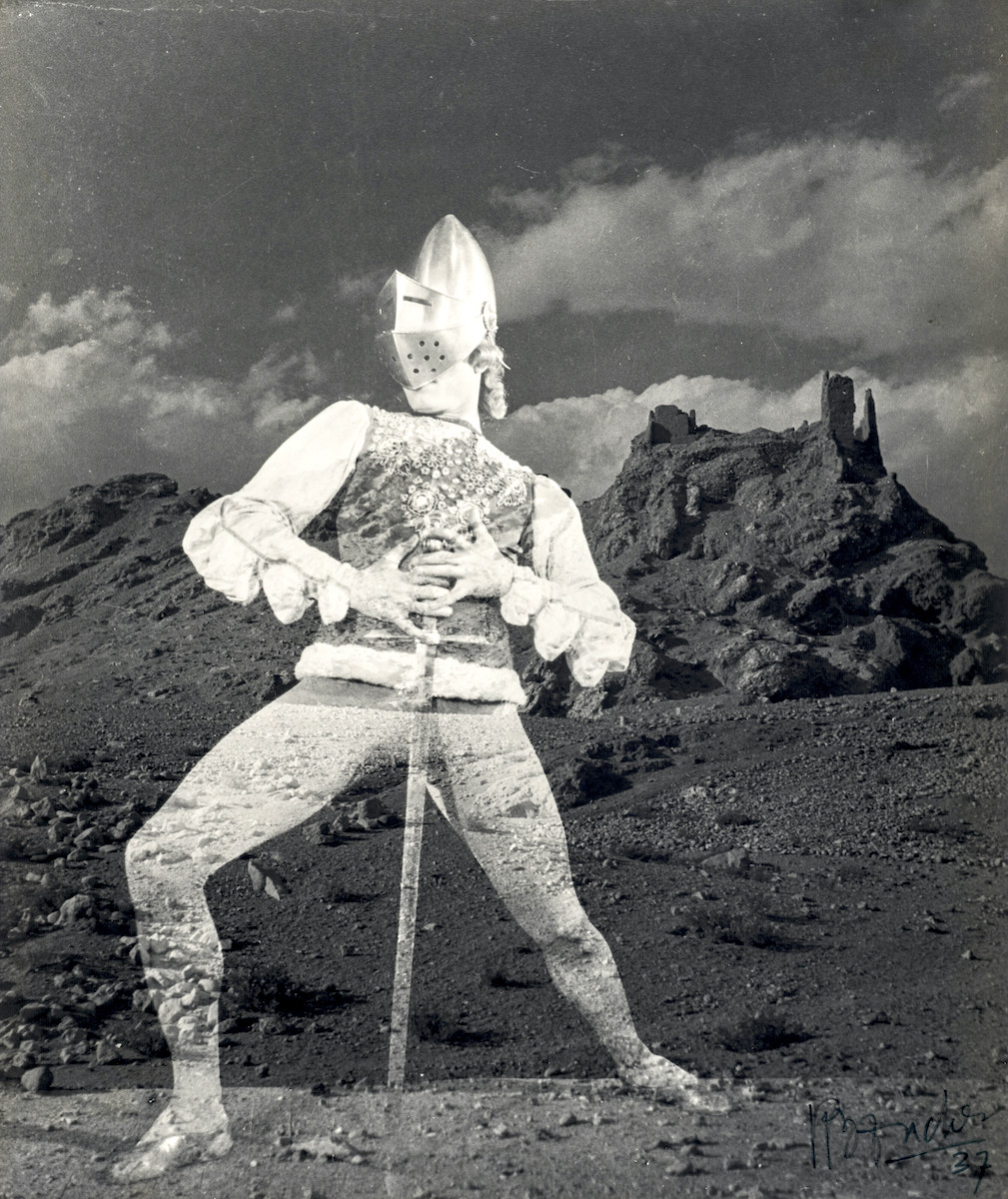
Pierre Boucher, Untitled (Serge Lifar dans Oriane et le Prince d'Amour), 1937 © Christie's images limited
Eve Therond recalls her father's affection for Tabard, whom he nicknamed “The Secret One”: “My father would compare him to two other celebrated photographers in his collection, Jacques-Henri Lartigue, ‘The Blessed One,’ and Man Ray, ‘The Frenetic One,’ expressing both his affection for the man he had known personally and his fascination with an artist of the shadows who preferred solitude to society. He was an alchemist of darkness, constructing his images like a researcher working in a laboratory.”
In one of his tributes to Tabard, Roger Therond writes: “You used to host me in the huge kitchen of the empty mansion in the 16th arrondissement, of which you were the keeper… The service quarters were in the basement, badly lit by small windows opening onto the street. This tomb-like space was your kingdom. Here was the laboratory in which you conducted your experiments after retiring. Scrupulously, systematically, you continued your research into geometry in photography: the famous Golden Mean.”
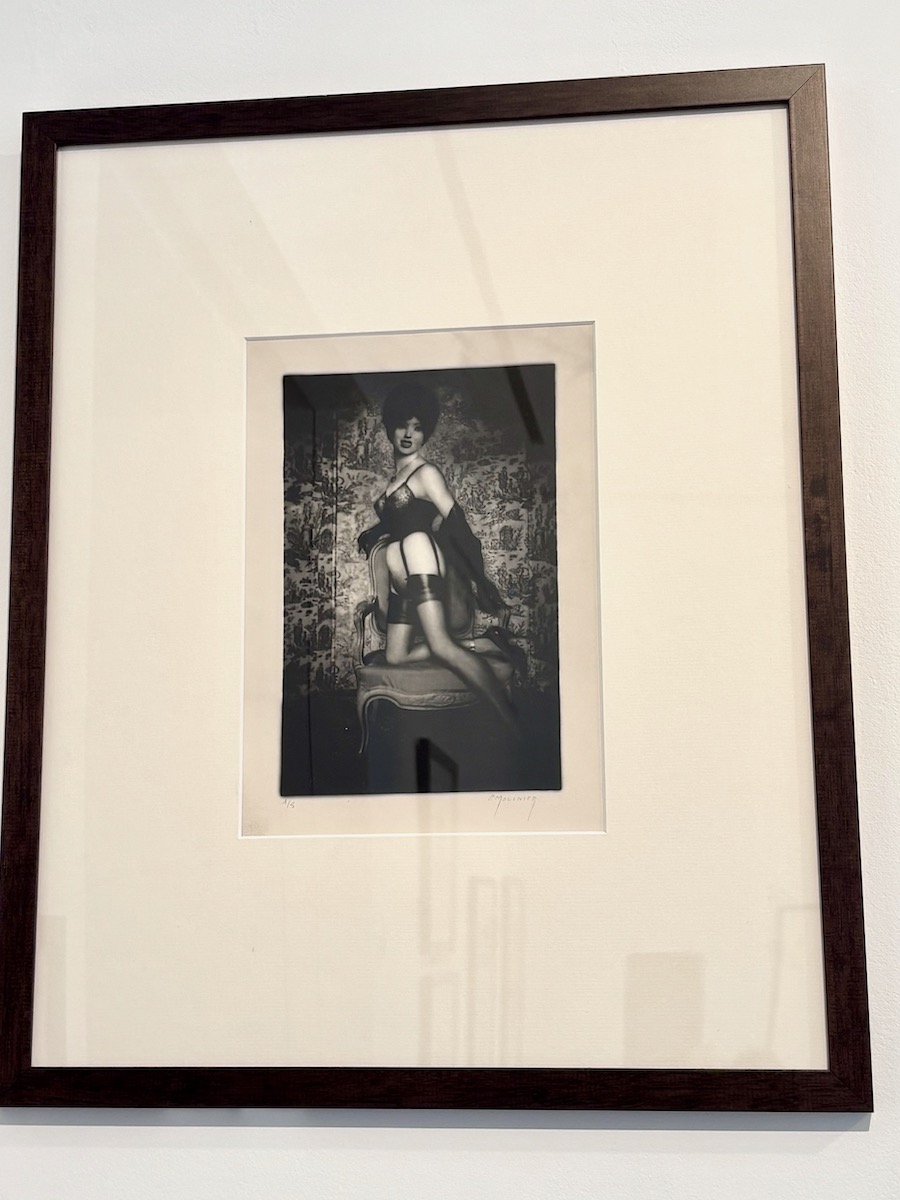
Pierre Molinier, Effigie, circa 1967, image Emilie Therond, 2026
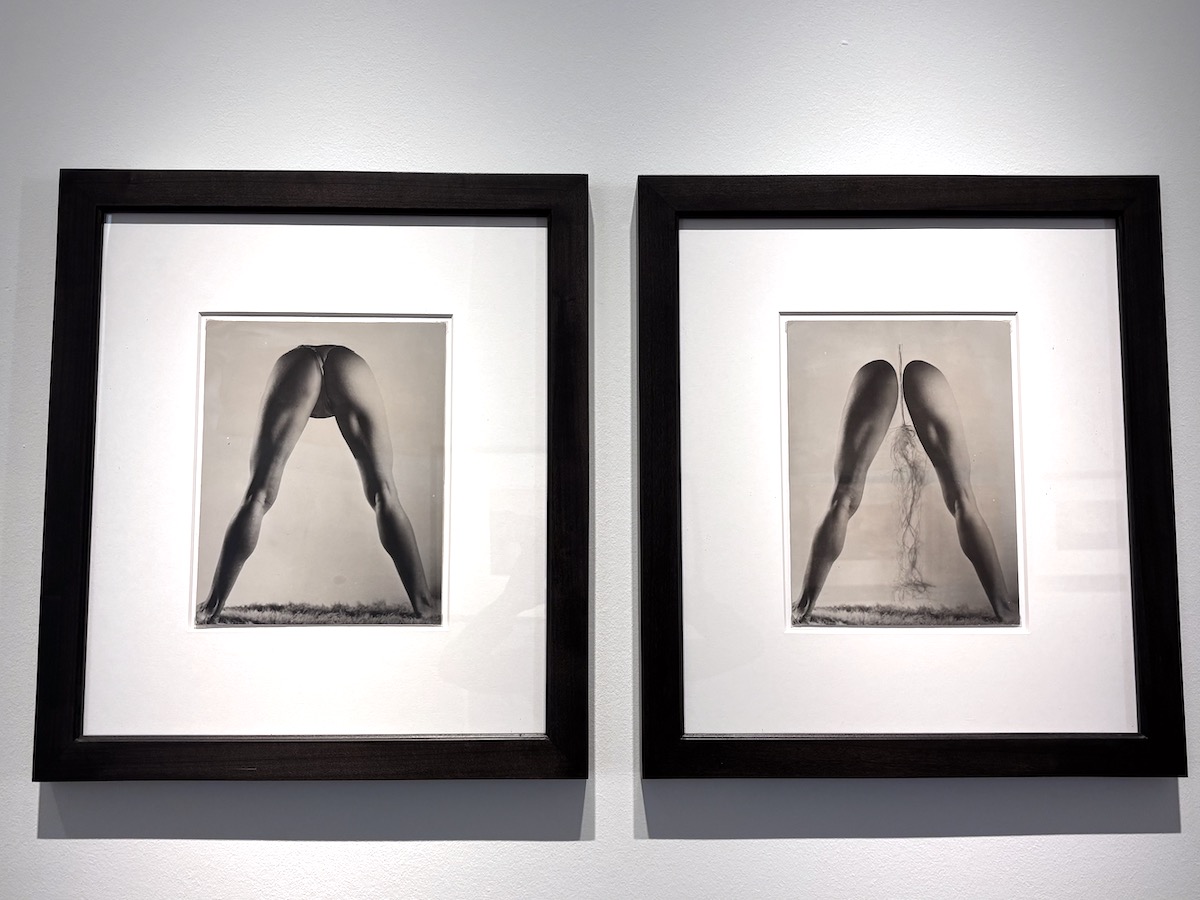
Dora Maar, Untitled (Jambes), circa 1935, image Emilie Therond, 2026
His other dear friend was Jacques-Henri Lartigue, whom Therond described as “his loveliest light” and whose works largely evoked a world of childhood, happiness, and elegance. The collector and photographer enjoyed leisurely time together with their respective families in the South of France, their day-to-day lives shared with special joy. In his tribute to Lartigue, Therond writes: “Your pictures are rooted in your life, which is why they charm us. We would have liked to have lived the same life, with the childhood games, the elegant 30s, and the stunning Renée, in whom we also fell in love.”
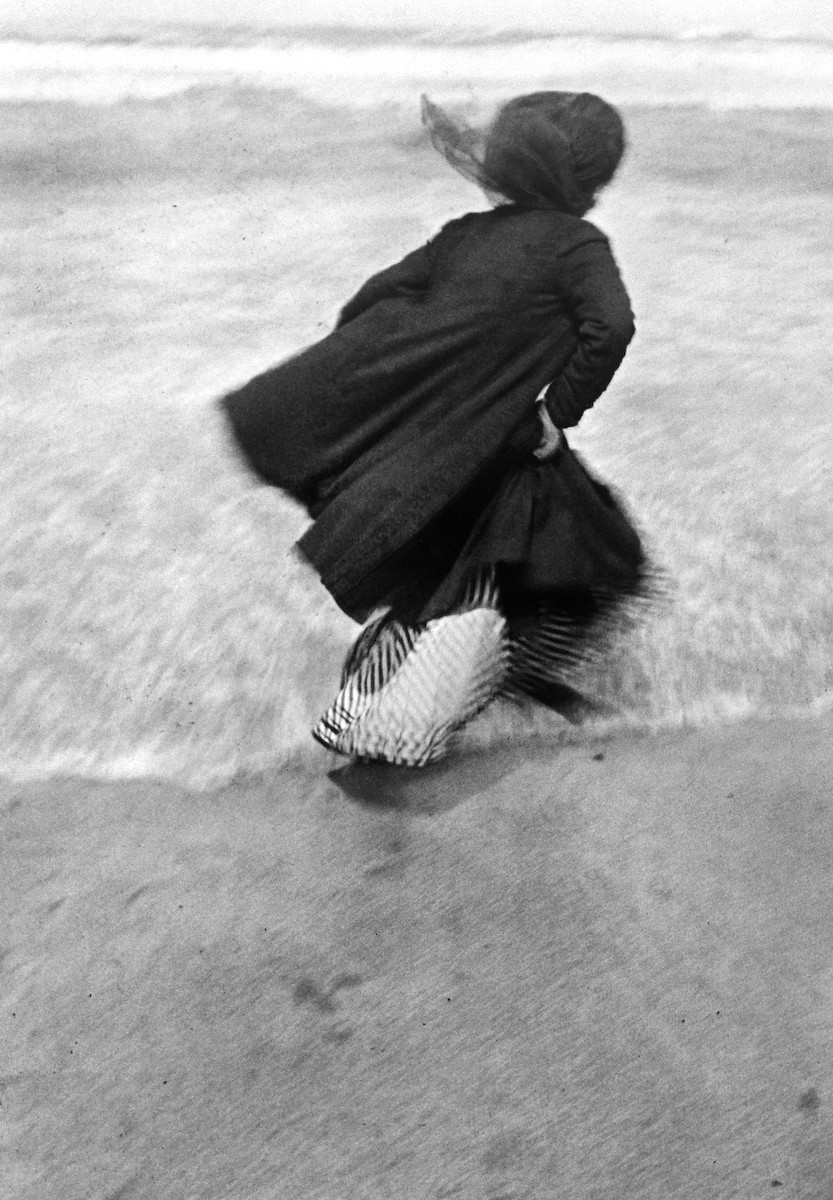
Jacques-Henri Lartigue, Guitty, Biarritz, 1905 © Ministère de la Culture (France), MMPP-AAJHL
An inexhaustible inventor and one of the central figures of Surrealism, Man Ray challenged the conventions of photography through radical experimentation, visual play, and an uncompromising exploration of desire, identity, and the unconscious.
For Therond, Man Ray embodied creation in a state of perpetual combustion: an untamed intelligence that shattered the boundaries of reality, pulverized taboos, defied logic, and probed the mysteries of desire and death. In his hands, invention became a vital force, a feverish energy that ceaselessly reinvented the world.
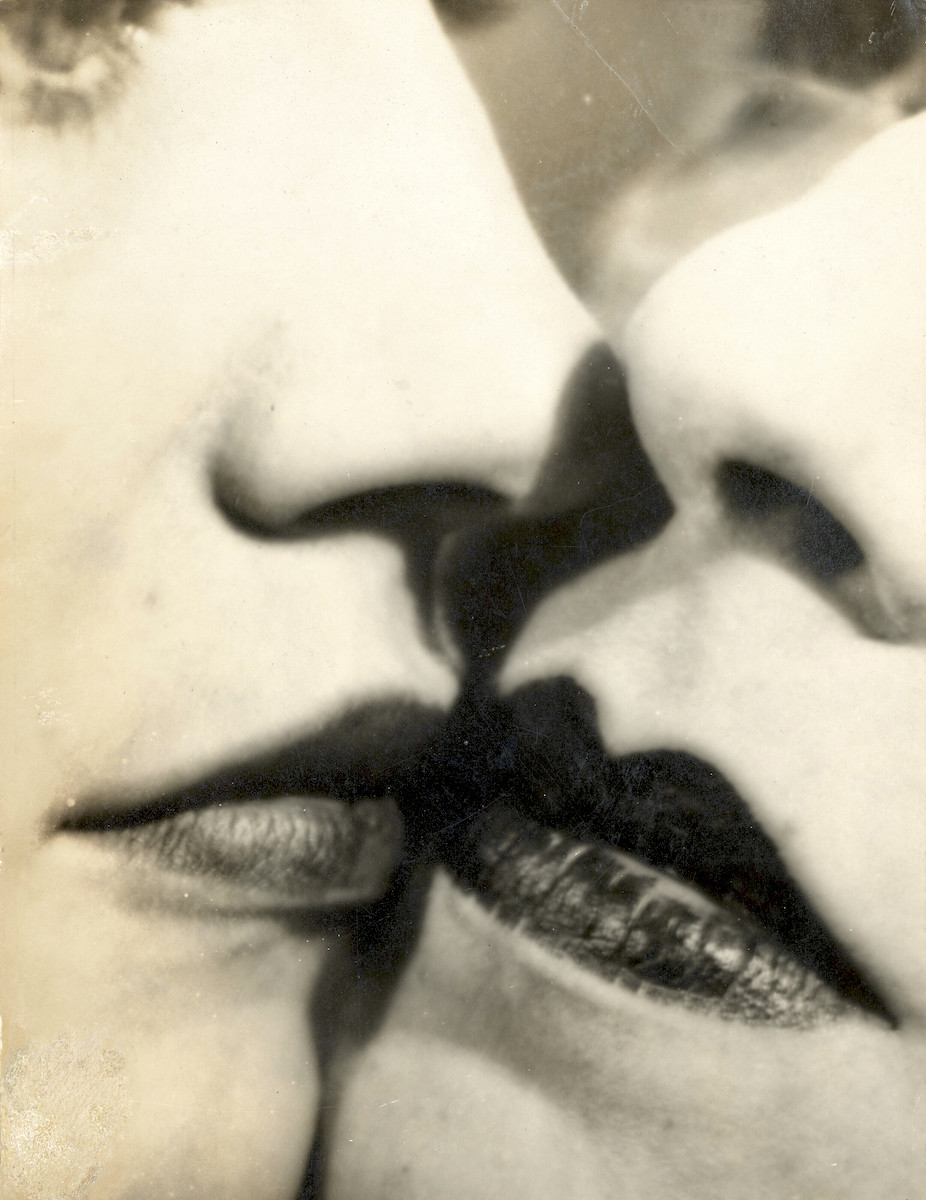
Man Ray, Le Baiser, circa 1930 © Man Ray 2015 Trust / Adagp, Paris 2026
Reflecting on Le Baiser, Therond writes: “A man and a woman? Two women? Two men in makeup? Let us not try to know. Let us half-close our eyes and allow the dark Gypsy woman that appears, beyond the photographer’s intention, to enter our field of vision, a dancing silhouette whose skirt blossoms like a corolla. And where are we? In another world, the world of the strange, the unknown.”
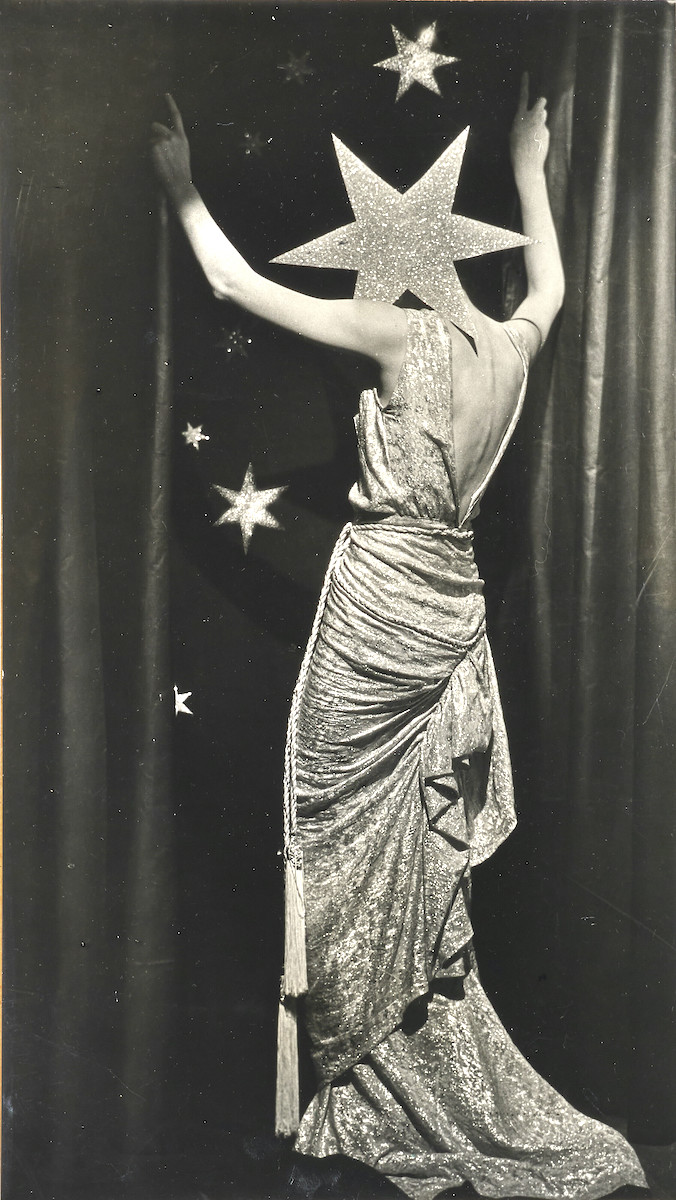
Dora Maar, Untitled (Mannequin-Etoile), circa 1935 © Adagp, Paris, 2026
Ultimately, the Roger Therond Collection tells the history of photography, but it is also the portrait of a collector whose personal affinities, friendships, memories, and intellectual curiosity pay reverence to the art of photography.
A visual journey, perhaps, not simply of the history of seeing, but to the very end of a dream…
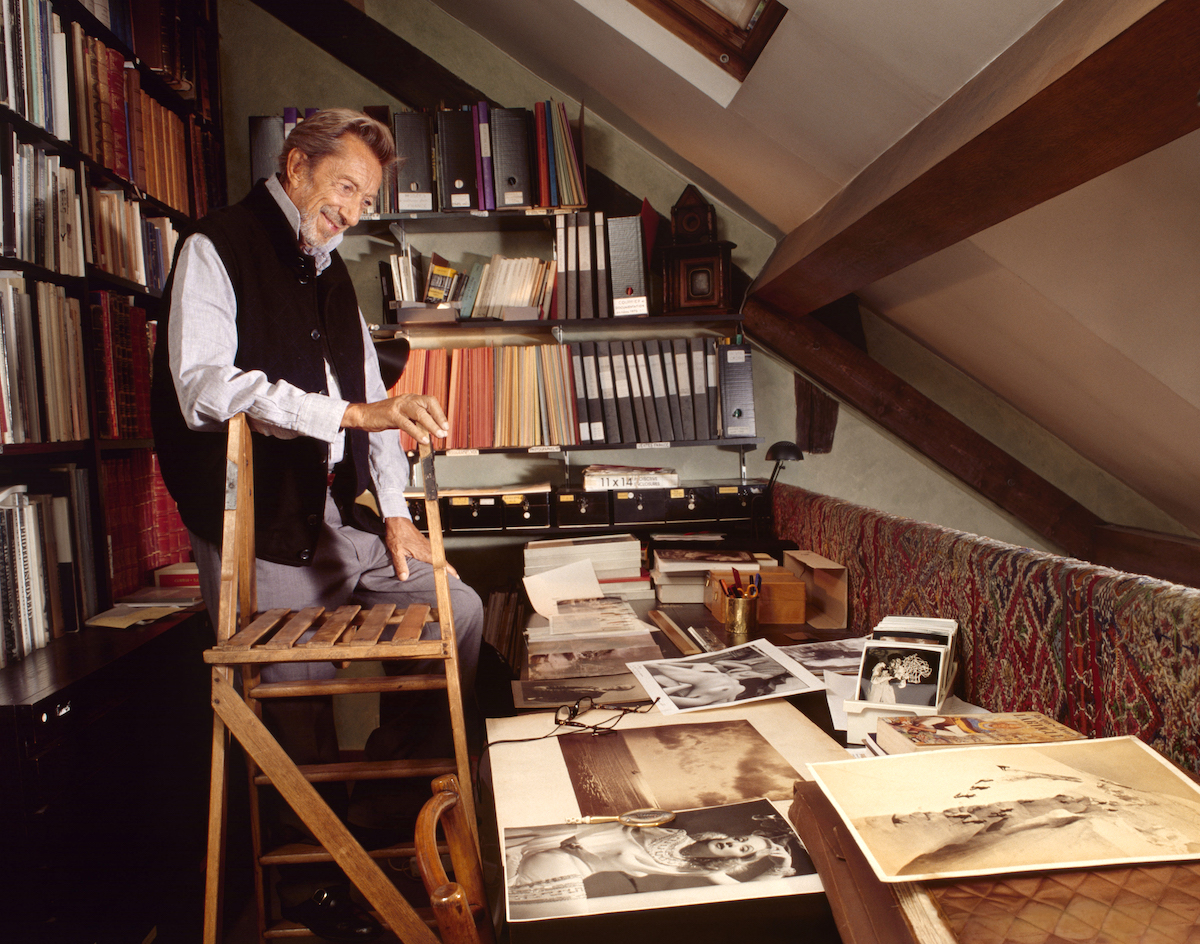
Roger Therond © Hubert Fanthomme, Paris Match

Coco Dolle
Coco Dolle is a French-American artist, writer, and independent curator based in New York since the late 90s. Former dancer and fashion muse for acclaimed artists including Alex Katz, her performances appeared in Vogue and The NY Times. Over the past decade, she has organized numerous exhibitions acclaimed in high-end publications including Forbes, ArtNet, VICE, and W Magazine. She is a contributing writer for L’Officiel Art and Whitehot Magazine. As an artist, her work focuses on body politics and feminist issues as seen at the Oregon Contemporary (OR) and Mary Ryan Gallery (NYC).
Follow her on instagram.
view all articles from this author