Whitehot Magazine
October 2026
"The Best Art In The World"
"The Best Art In The World"
October 2026
Last Chance: The 10 best things you can still see at the Biennale before it closes.
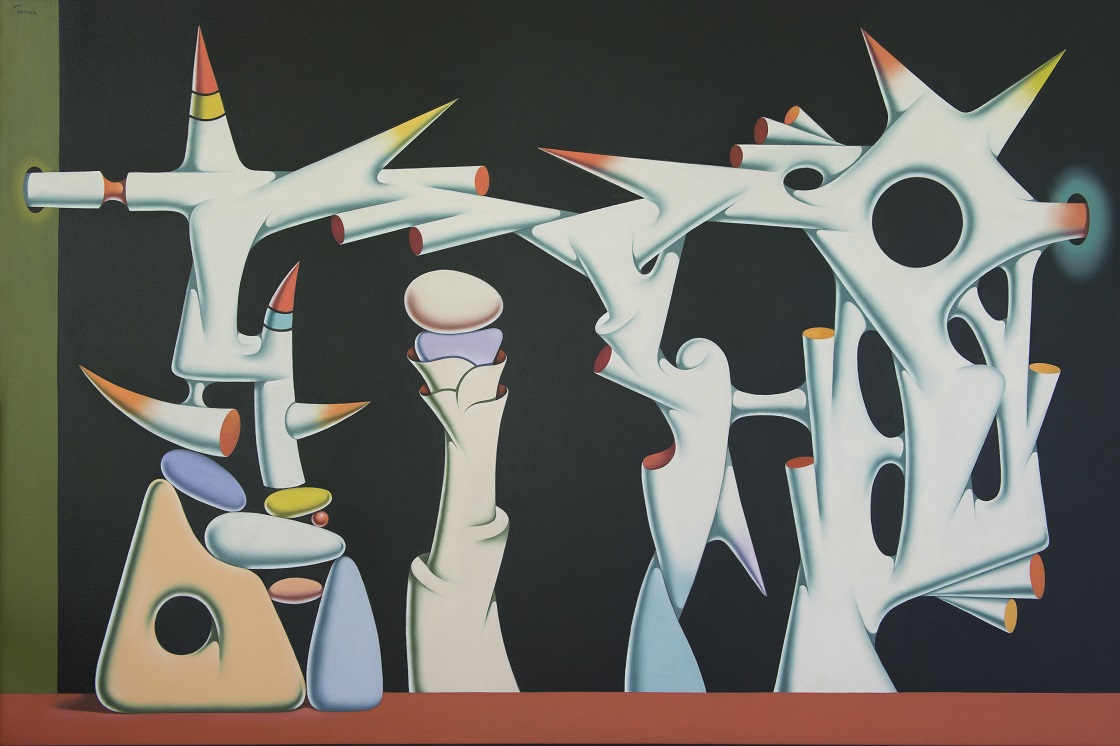 Iván Tovar, Le Remord, (Remorse), 2012, oil on canvas, 132 x 196 cm. Tovar Castillo Family Collection, © Photo Courtesy Fundación Iván Tovar.
By SHANA NYS DAMBROT October 29th, 2026
1. Cuba Pavilion. Roberto Diago (Juan Roberto Diago Durruthy): Hombres Libres / Free Men. A perfect fusion of material, technique, emotion, narrative, experience, and contemplation. Diago uses very obviously salvaged and repurposed materials to create a series of sculptures that play with scale, texture, empathy, delight, and disorientation, as dream-logic holds sway; using a beguiling folkloric visual idiom born of necessity to enact suffused socio-economic critique. Off-site on Garibaldi Street. Closes November 22, 2026 (as do all the official Biennale pavilions and collaterals listed here). labiennale.org/en/art/2026/cuba
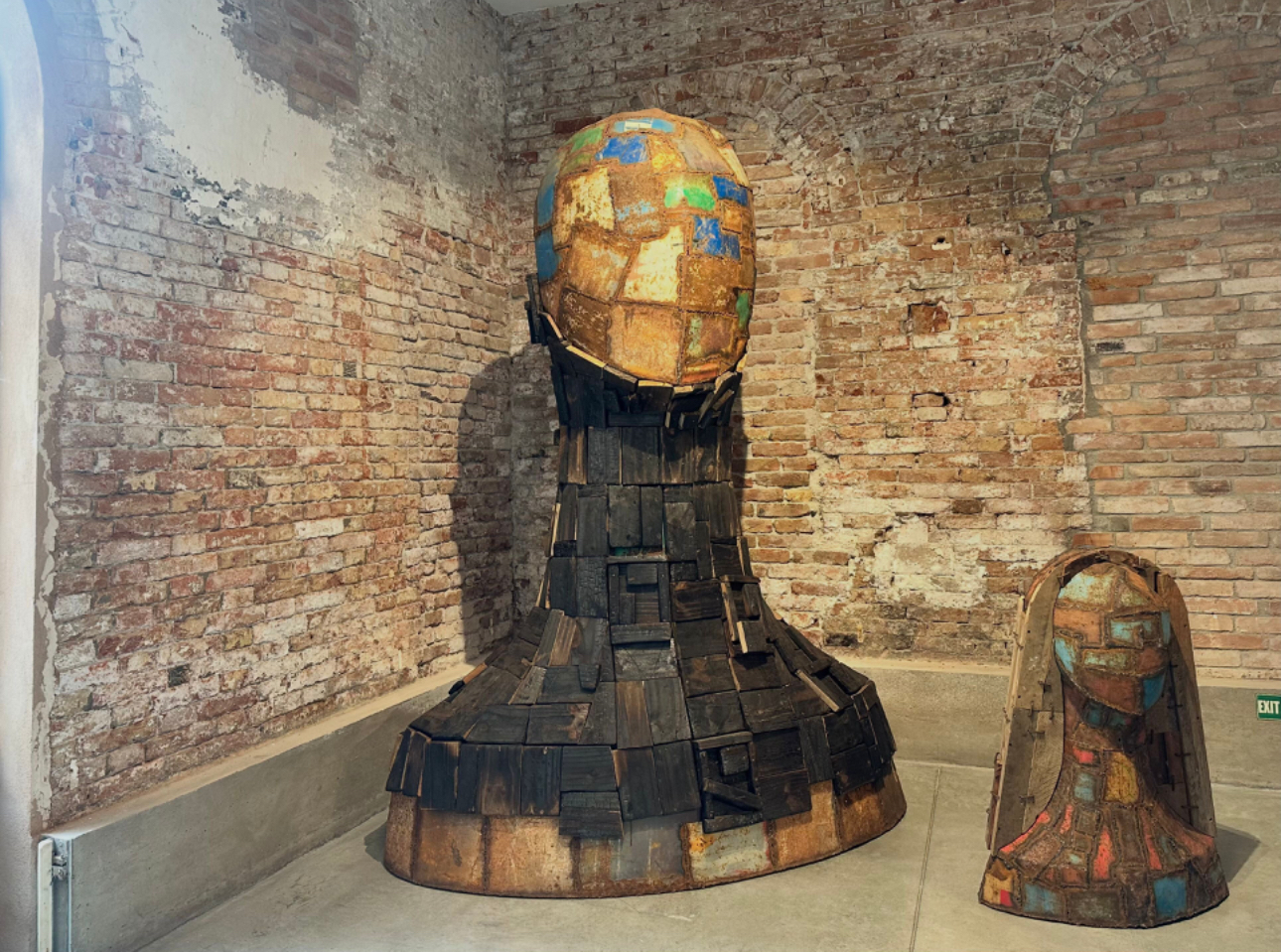 Cuba Pavilion. Roberto Diago (Juan Roberto Diago Durruthy): Hombres Libres / Free Men
2. Albania Pavilion. Genti Korini: A Place in the Sun. A hypnotic multi-channel video installation that is largely based on a poetic, performance-art monologue, with aesthetic shades of couture and camp, post-humanism and the Western Romantic.
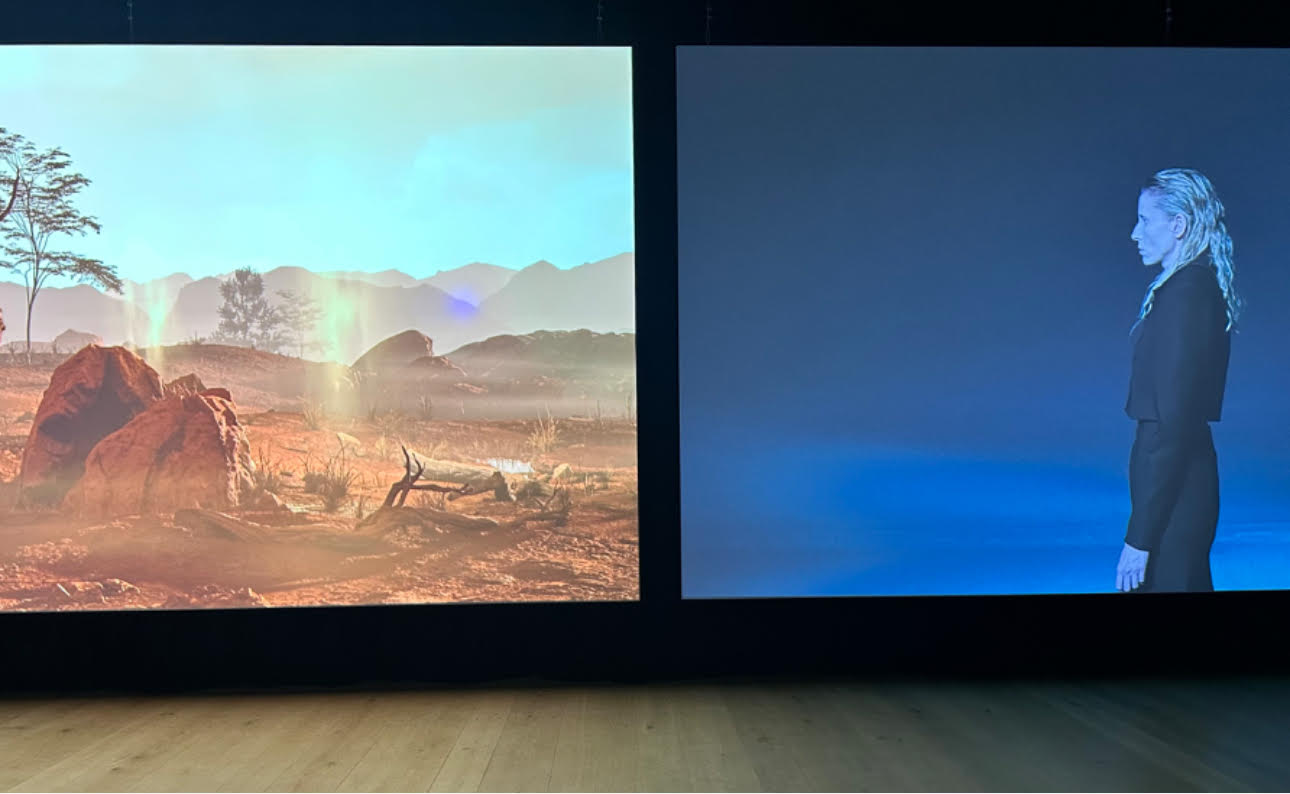 Albania Pavilion. Genti Korini: A Place in the Sun.
One gets the distinct feeling we are watching an extraterrestrial researcher giving their report on Earth to their off-screen superiors; watching more than once feels like doing active Jungian shadow work therapy. Arsenale. labiennale.org/en/art/2026/albania
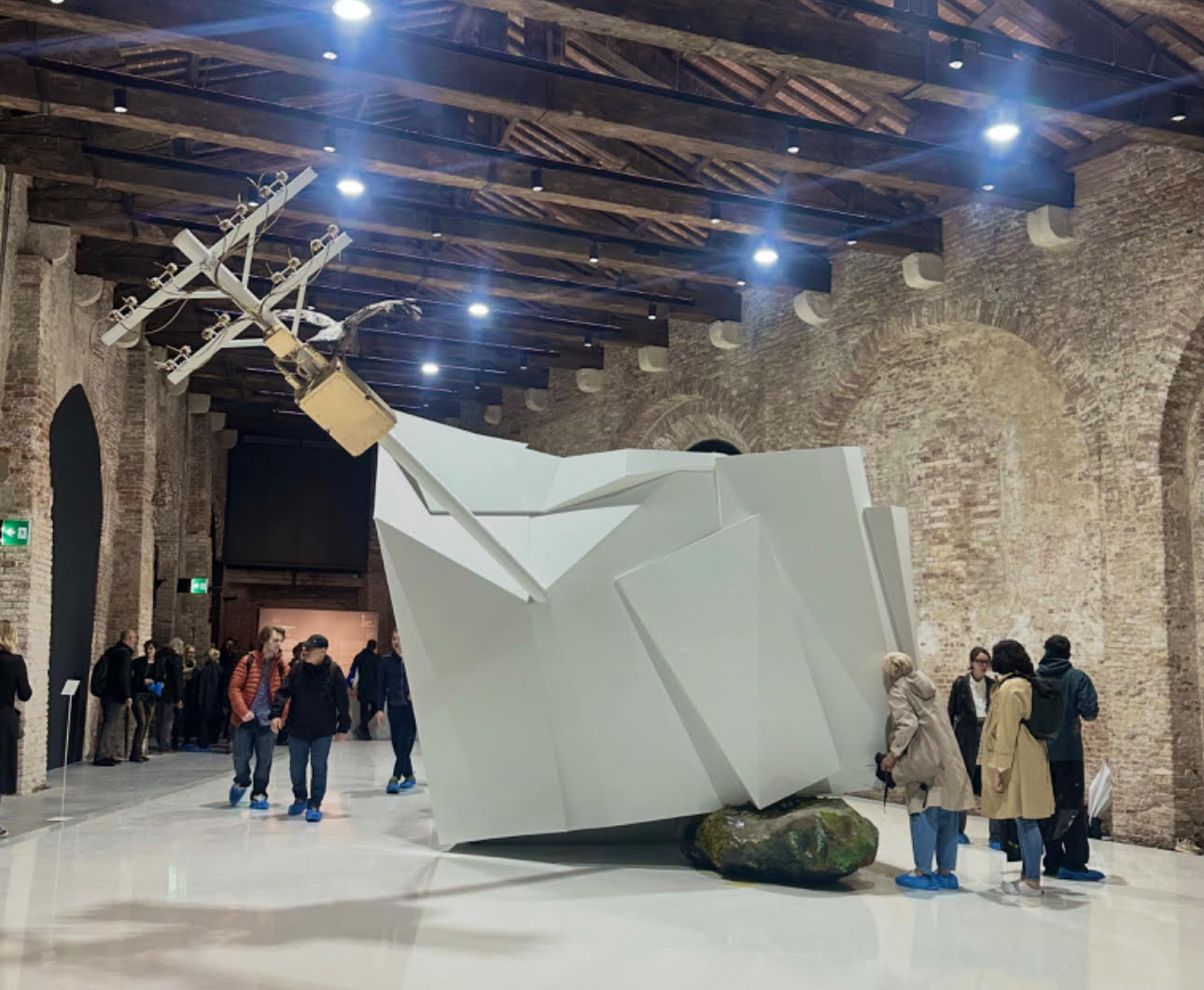 Chile Pavilion. Norton Maza: Inter-Reality.
3. Chile Pavilion. Norton Maza: Inter-Reality. This captivating work lives in two parallel dimensions at once—from the outside, a pristine bright-white angular object that occupies its mirror-glazed field like a Cubist space capsule; approach and find one of several small portholes opening onto its meticulously crafted landscape dioramas. From the majestic and magical to the desolate, storm-ravaged, and politically apocalyptic, like reality itself, everything depends on your perspective. Like a TARDIS it's bigger on the inside. Arsenale. labiennale.org/en/art/2026/chile
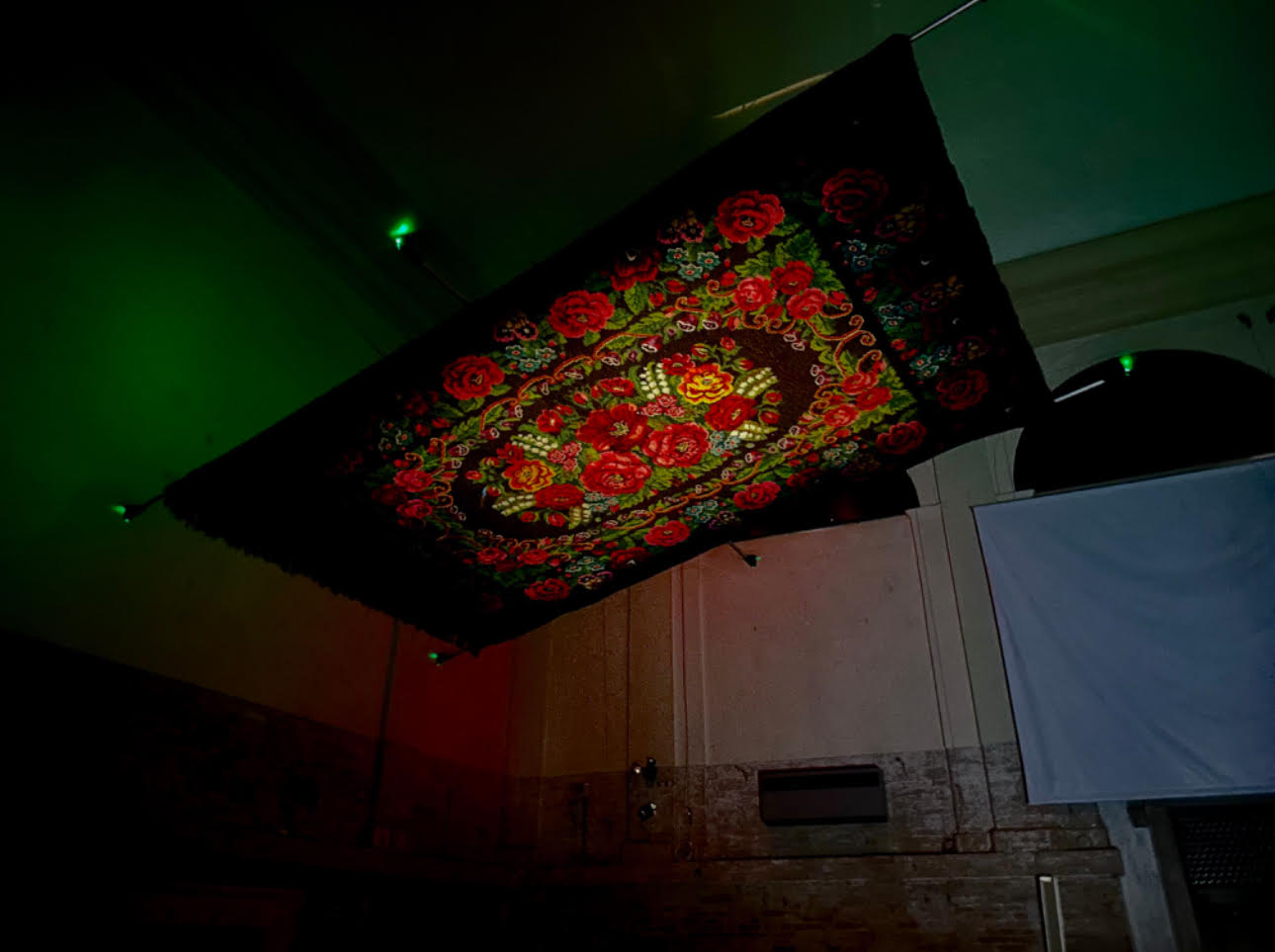 Moldova Pavilion. Pavel Brăila: On the Thousand and Second Night.
4. Moldova Pavilion. Pavel Brăila: On the Thousand and Second Night. Step into a pitch-black room, and before your eyes have a chance to adjust, you hear it—the flurry of what could be wings or ventilation. Then you see small points of light way up above your head, and as you move through the space toward them, you feel sudden bursts of breezes on your face. That’s when your eyes catch up and you see it—hovering drones keeping Persian carpets aloft, flying in place above you in the dark. Of all the pavilions, this is the one I can’t stop talking about the most. Off-site at Santa Veneranda Chapel (Chiesa dei Santi Geremia e Lucia). labiennale.org/en/art/2026/moldova-republic
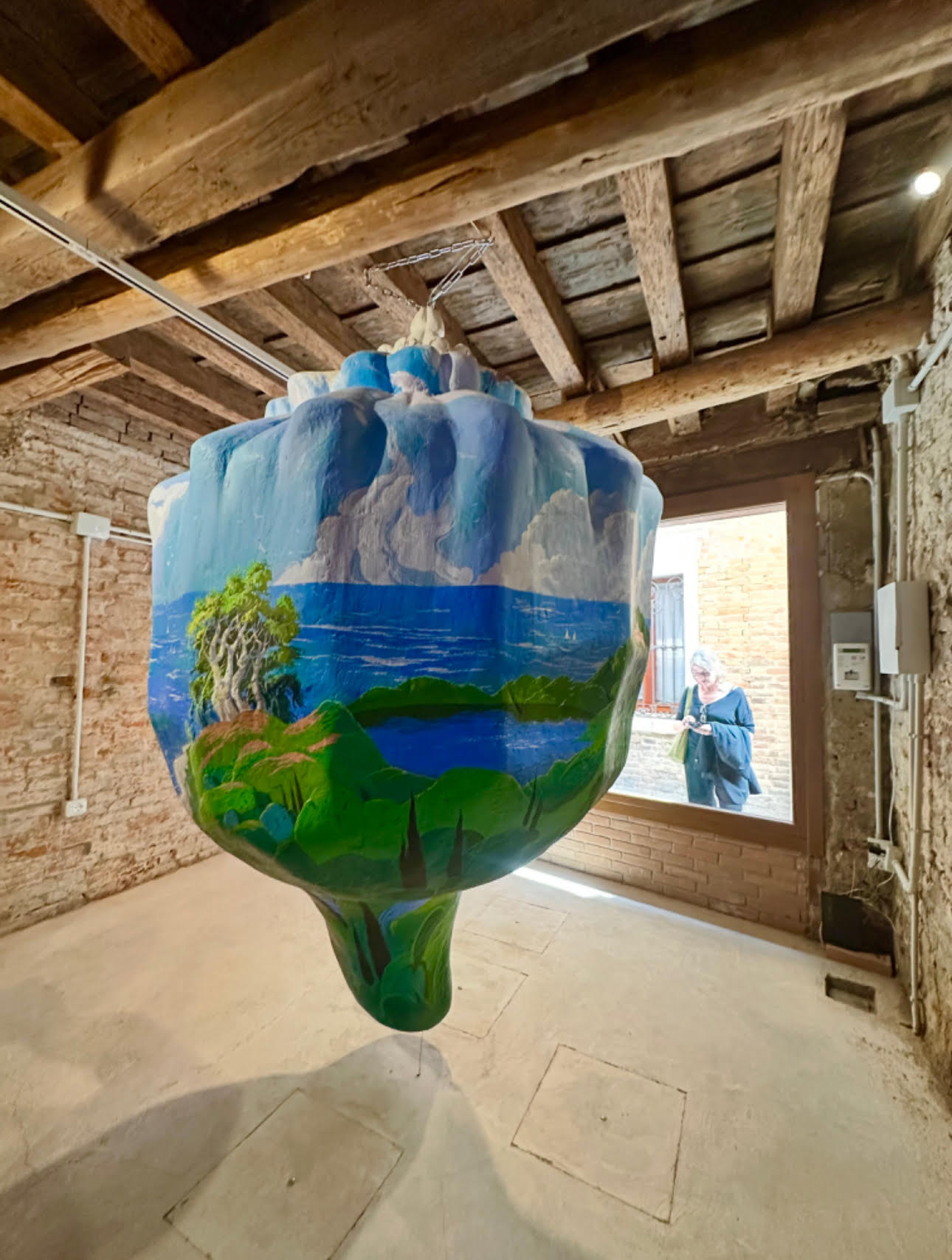 Nauru Pavilion. AIM Inundated, Imagining Life After Land.
5. Nauru Pavilion. AIM Inundated, Imagining Life After Land. Making its historic Venice debut, the world's smallest island nation offers a group show curated by Khaled Ramadan, Camilla Boemio, and Stefano Cagol. Most of the work on view comes by way of introducing themselves to the world, in an array of eclectic mediums from video to sculpture and installation that combine hellos with resonant warnings about life as an island facing the rising sea. Off-site near the Arsenale. labiennale.org/en/art/2026/nauru-republic
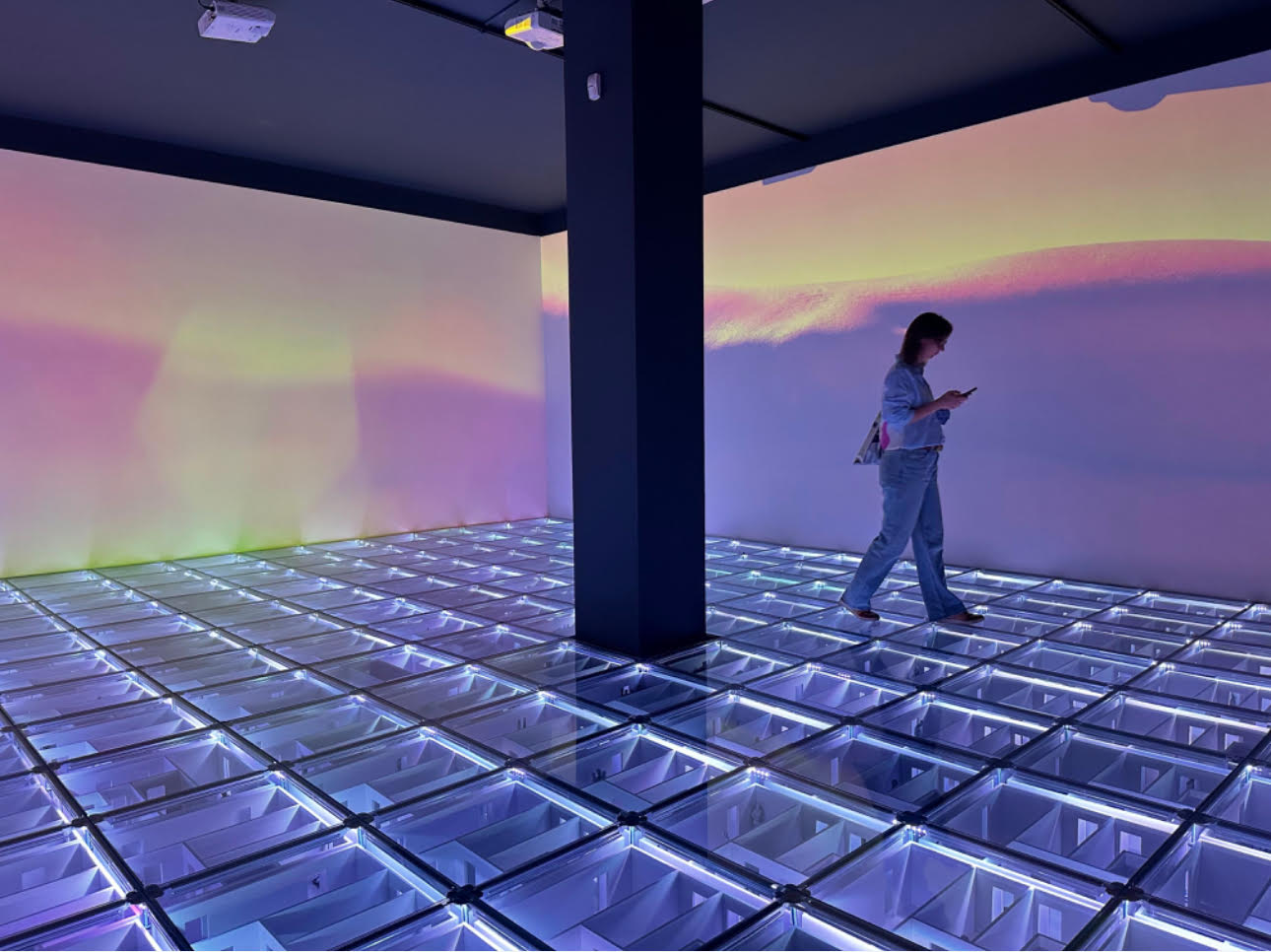 Montenegro Pavilion. Siniša Radulović. Out of the Blue, I'm Swept Away (Curated by Svetlana Racanović).
6. Montenegro Pavilion. Siniša Radulović. Out of the Blue, I'm Swept Away (Curated by Svetlana Racanović). One of those tropes that consistently delivers is the thing where the viewer is walking above the work, viewing it from above, through a glass floor; in this case, the architectural setup is combined with moody lighting, and gently vertiginous video. What you see however is both simple and clever and ultimately a little untethering—there’s a whole bleach-white society of cubicles, apartments, thin-walled rooms, and other people’s lives down there; you feel omniscient and impotent at the same time. Off-site at Arte Nova. labiennale.org/en/art/2026/montenegro
 Trevor Paglen at Palazzo Diedo (selfie of the author)
7. Trevor Paglen at Palazzo Diedo. Part of the group exhibition Strange Rules, curated by Mat Dryhurst, Holly Herndon, Hans Ulrich Obrist, and Adriana Rispoli, this experience is one-at-a-time, choose-your-own-adventure, guided meditation on which you choose to meet various versions of yourself and gain bespoke insight into things like your true nature or what the future holds. I found it oddly exhilarating, but it’s rumored to feel different to each person who enters. PS: No matter how long the line is, it’s worth the wait, I swear. Palazzo Diedo; berggruenarts.org/palazzo-diedo
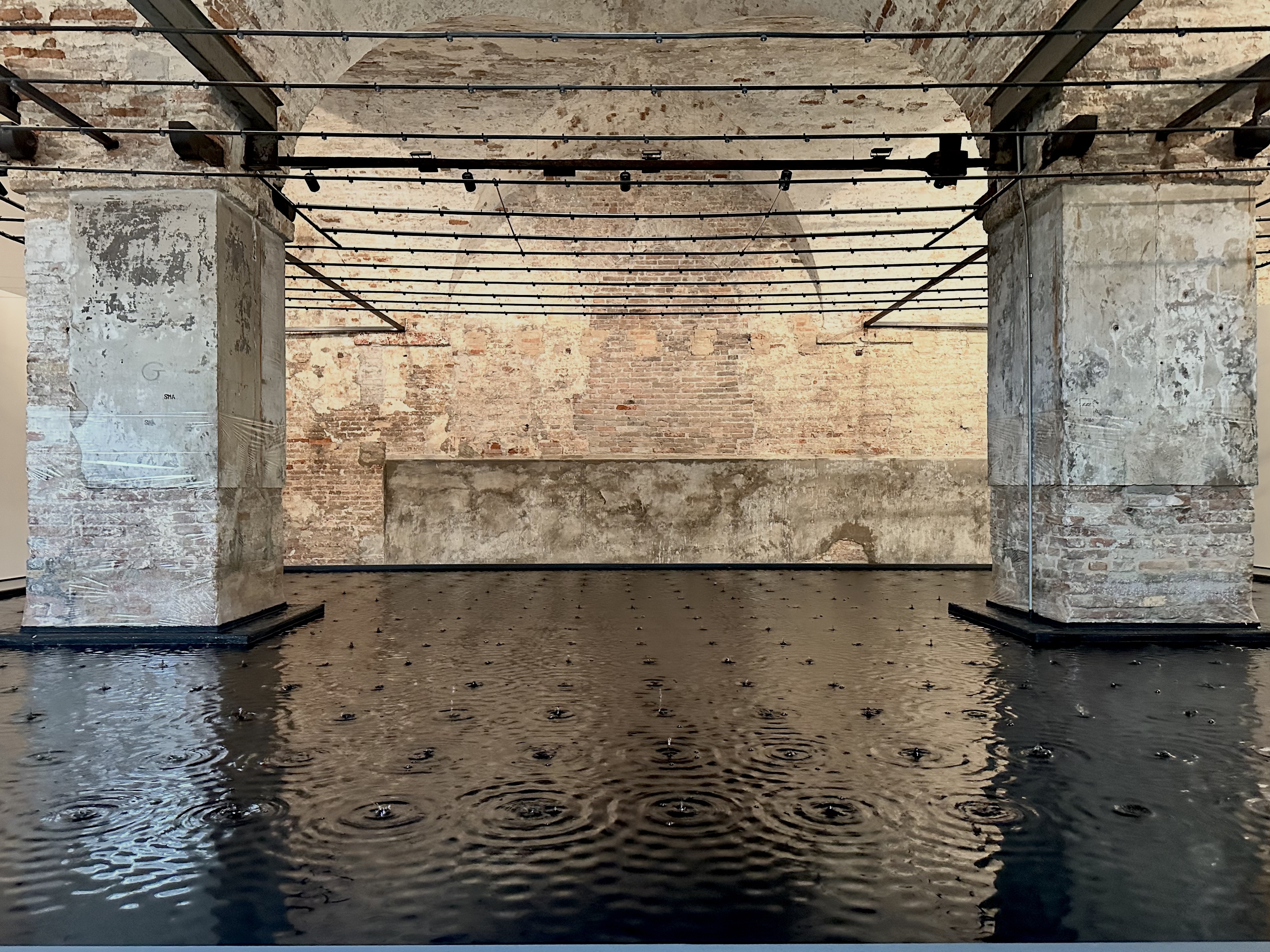 Israel Pavilion. Belu-Simion Fainaru: Rose of Nothingness.
8. Israel Pavilion. Belu-Simion Fainaru: Rose of Nothingness. A simple premise in a context that is anything but, this work of art sang the most grounded, ethereal notes as it balanced architectural intervention, fractal geometry, and ancient elements of earth, air, water, and metal, deploying advanced irrigation technology in an arrangement similar to dancing water that was more like ASMR. Its reflecting pool was a literal and figurative oasis among the crowds outside its doors. Arsenale. labiennale.org/en/art/2026/israel
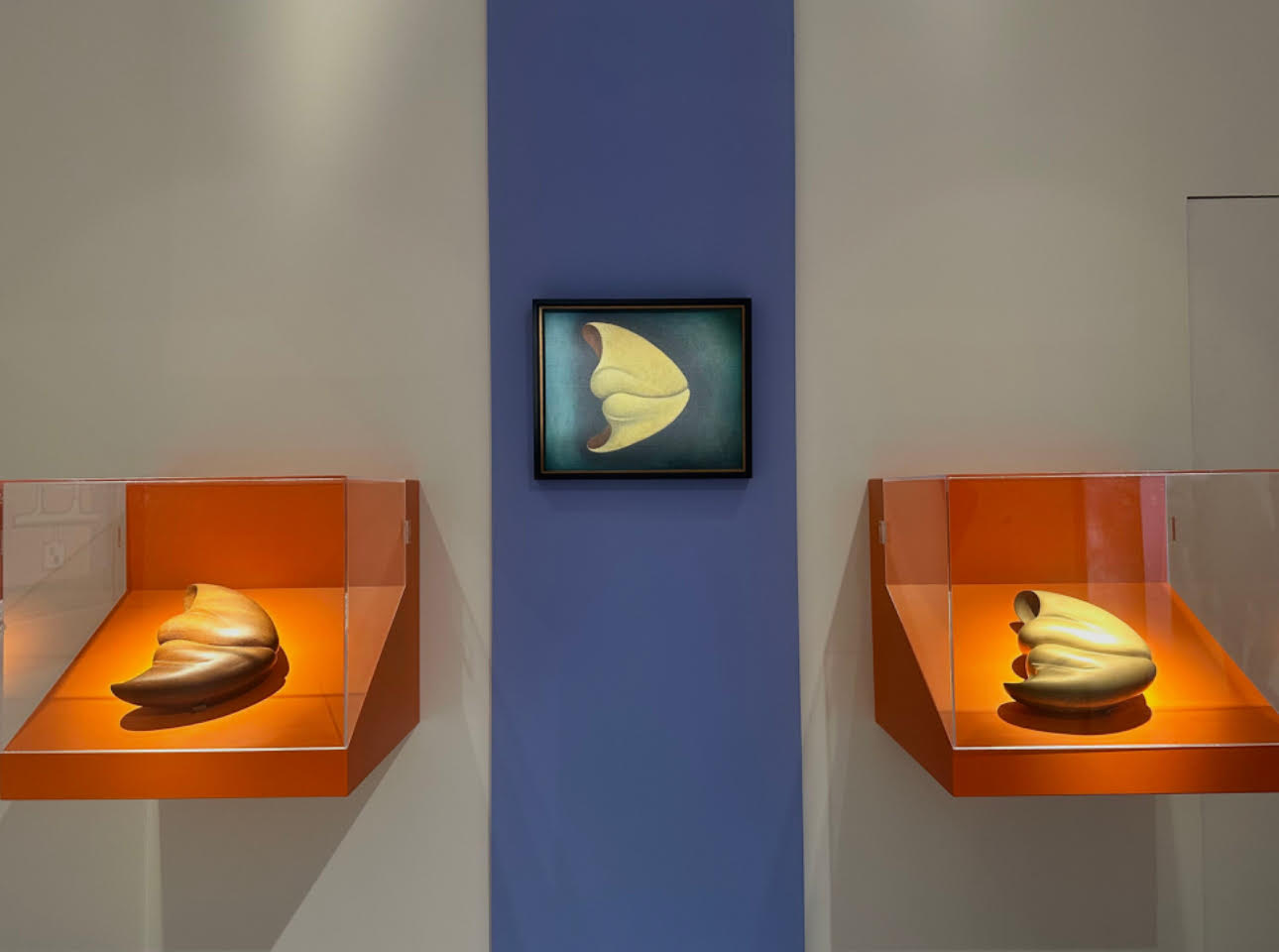 Iván Tovar: Le Retour at Museo Storico Navale di Venezia
9. Iván Tovar: Le Retour at Museo Storico Navale di Venezia. Curated with the artist’s estate foundation, Christian Viveros-Fauné re-introduces the world to the 20th century’s most influential Dominican artist—a dedicated OG Surrealist whose psychologically complex, irrepressibly witty, sexually charged, politically aware, art historically au courant, and perennially exciting painting and sculpture practice was avant-garde decades ago for its insistence on foundationally Latin inflections, and is still making waves to this day. labiennale.org/en/art/2026/collateral-events
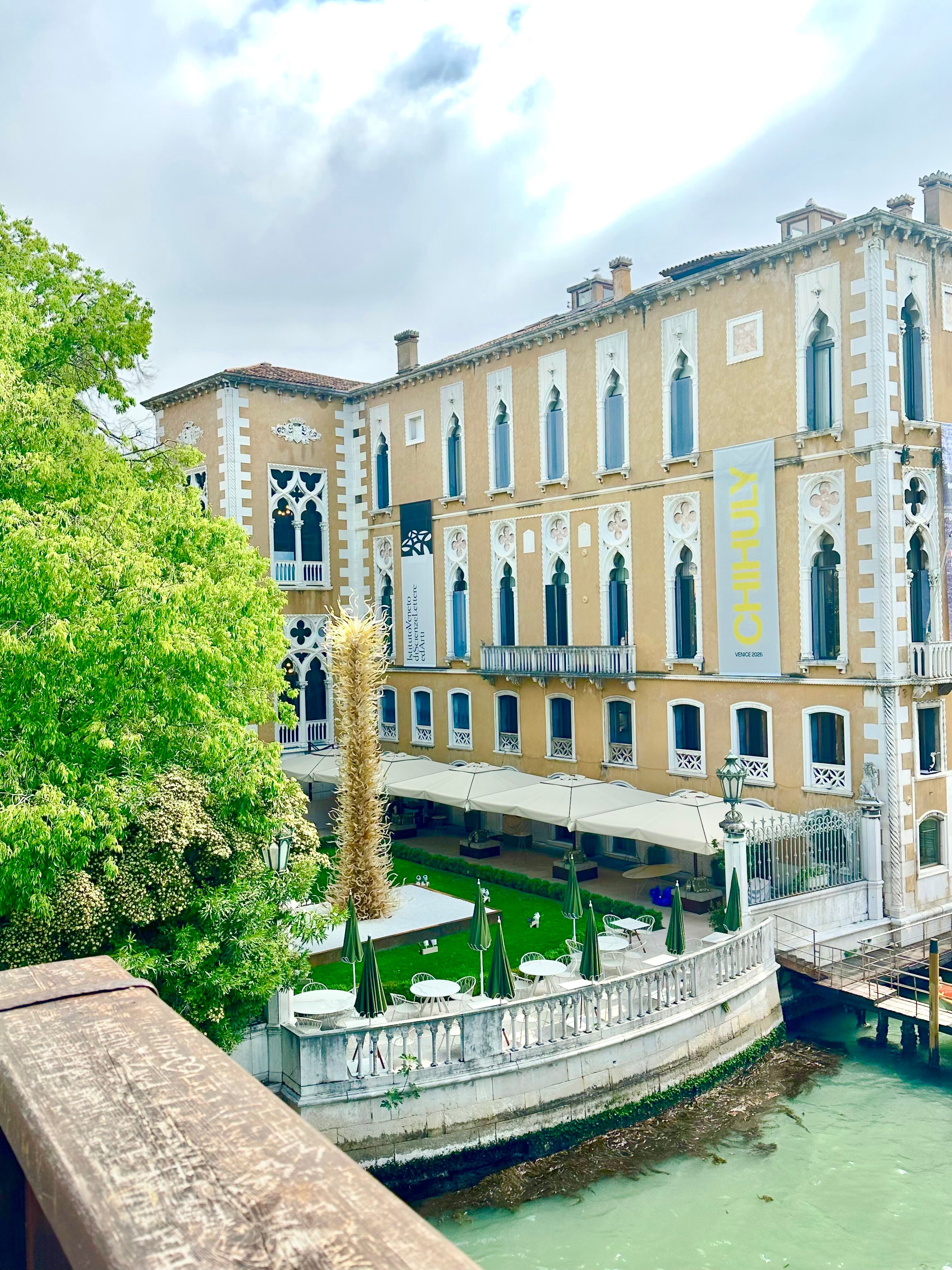 CHIHULY: Venice 2026
10. CHIHULY: Venice 2026. Celebrating the 30th anniversary of Chihuly Over Venice—that time the famously rules-averse glass art legend had a vision to festoon the city and its waterways with modern refractive marvels and may or may not have had the necessary permits—a handful of monumental outdoor sculptures are installed at key points along the Grand Canal / Accademia / Palazzo Franchetti route. They are stunning both day and night, meant to be viewed from the boats, but the nearby hub containing a treasure trove of process, archival, and documentary materials alongside some more intimately-scaled works, is the discovery zone. The Istituto Veneto di Scienze, Lettere ed Arti pulls off the hardest trick of all—imparting genuinely fresh and new insight into an artist we think we already know everything about. Closes November 14; chihuly.com/exhibitions/chihuly-venice-2026

Shana Nys Dambrot
Shana Nys Dambrot is an art critic, curator, and author based in DTLA. She is the editor and co-founder of 13ThingsLA—a weekly Substack of curated exhibition reviews and art event recommendations in Los Angeles. Her writing appears in LA Times, Alta Journal, Artbound/PBS SoCal, Music Connection, Palm Springs Life, Flaunt, WhiteHot, and other culture publications, and was the longtime Arts Editor at the L.A. Weekly. She is the recipient of the Rabkin Art Writers Prize and the LA Press Club Critic of the Year award.
Photo by Eric Mihn Swenson
view all articles from this author